Martin ZAHEL
viason immobilien


1 d ago
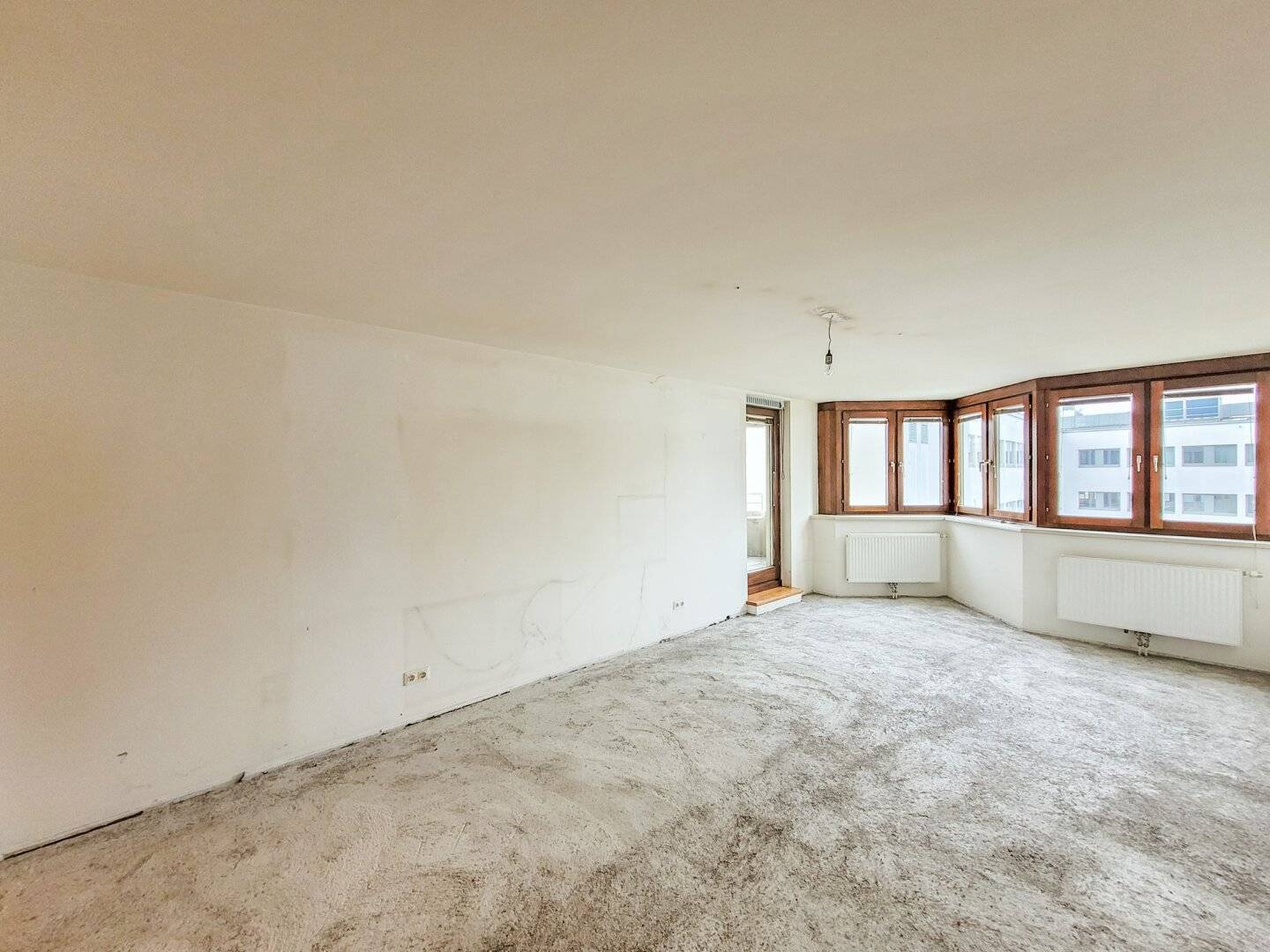
849,900€
5,654€/m²
Other apartment for sale
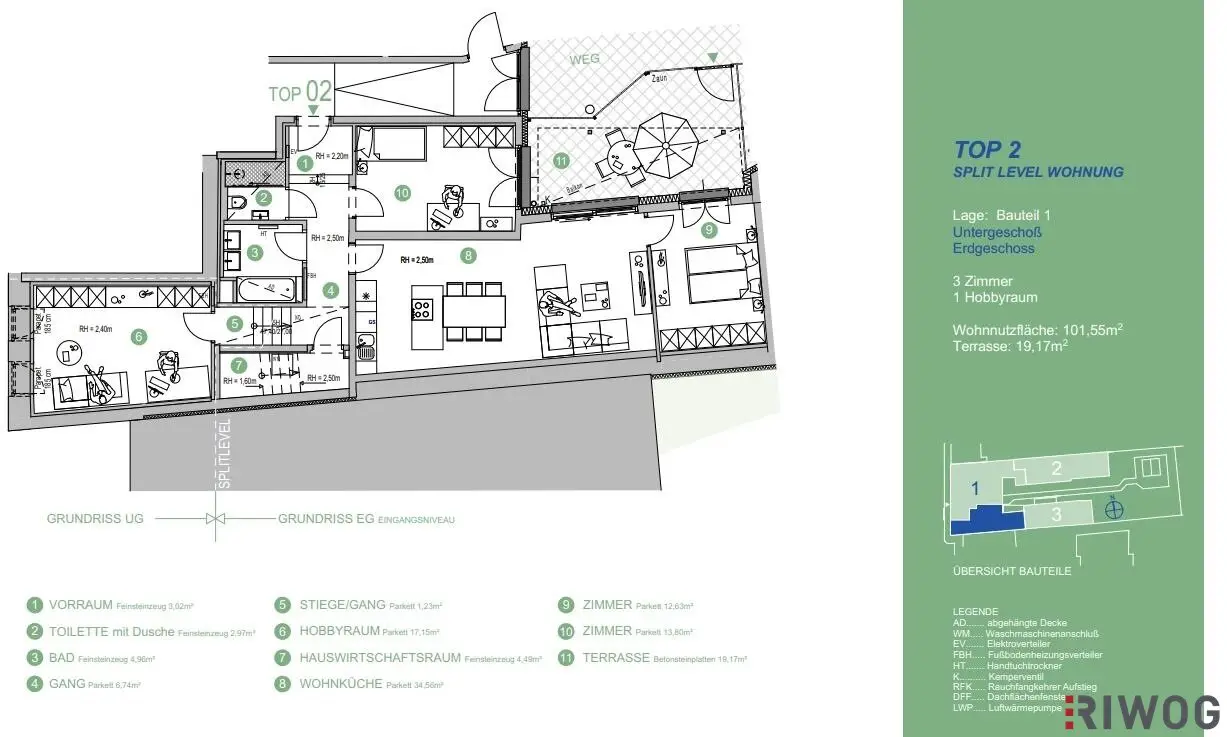
150 m²4 Rooms2 Baths
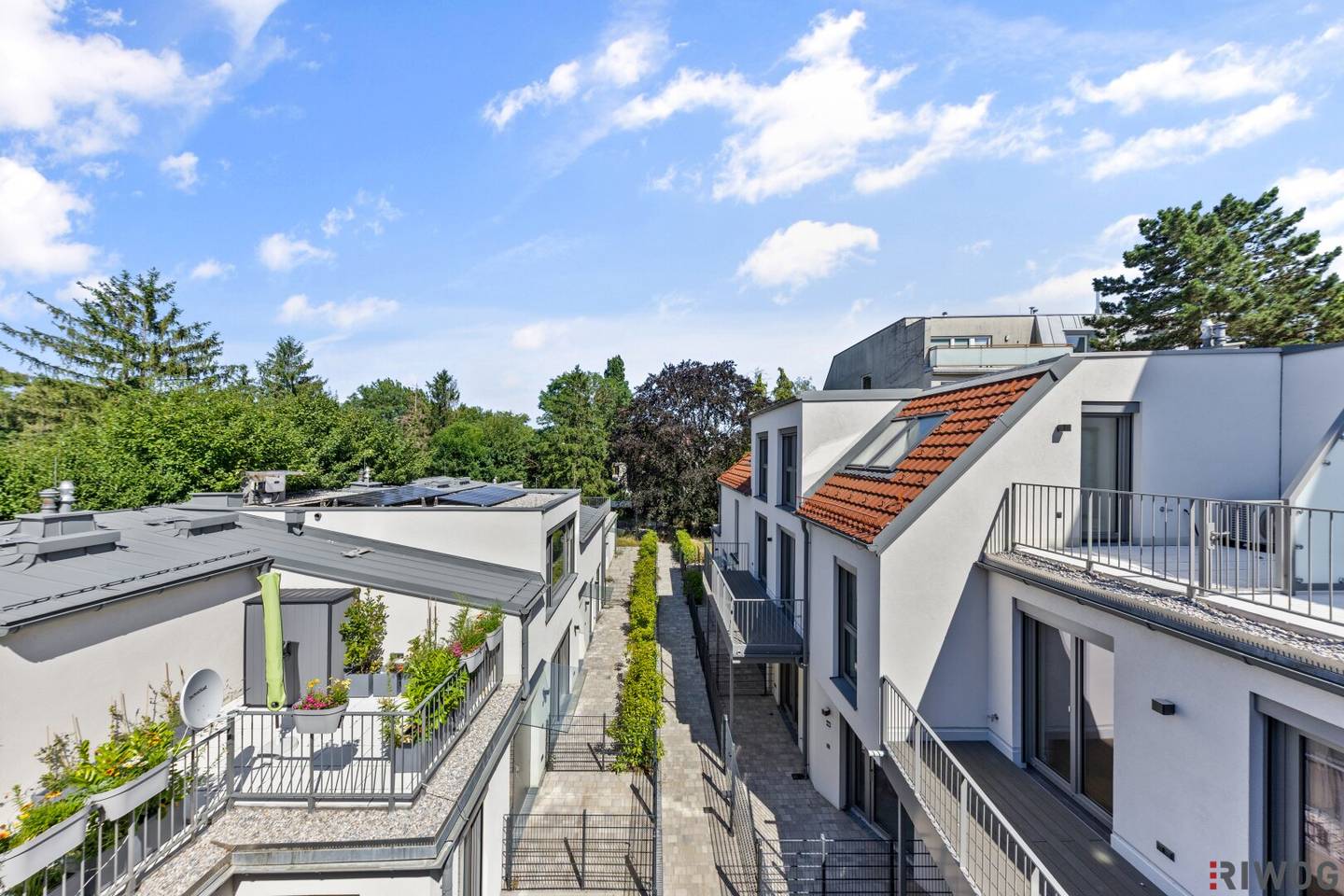
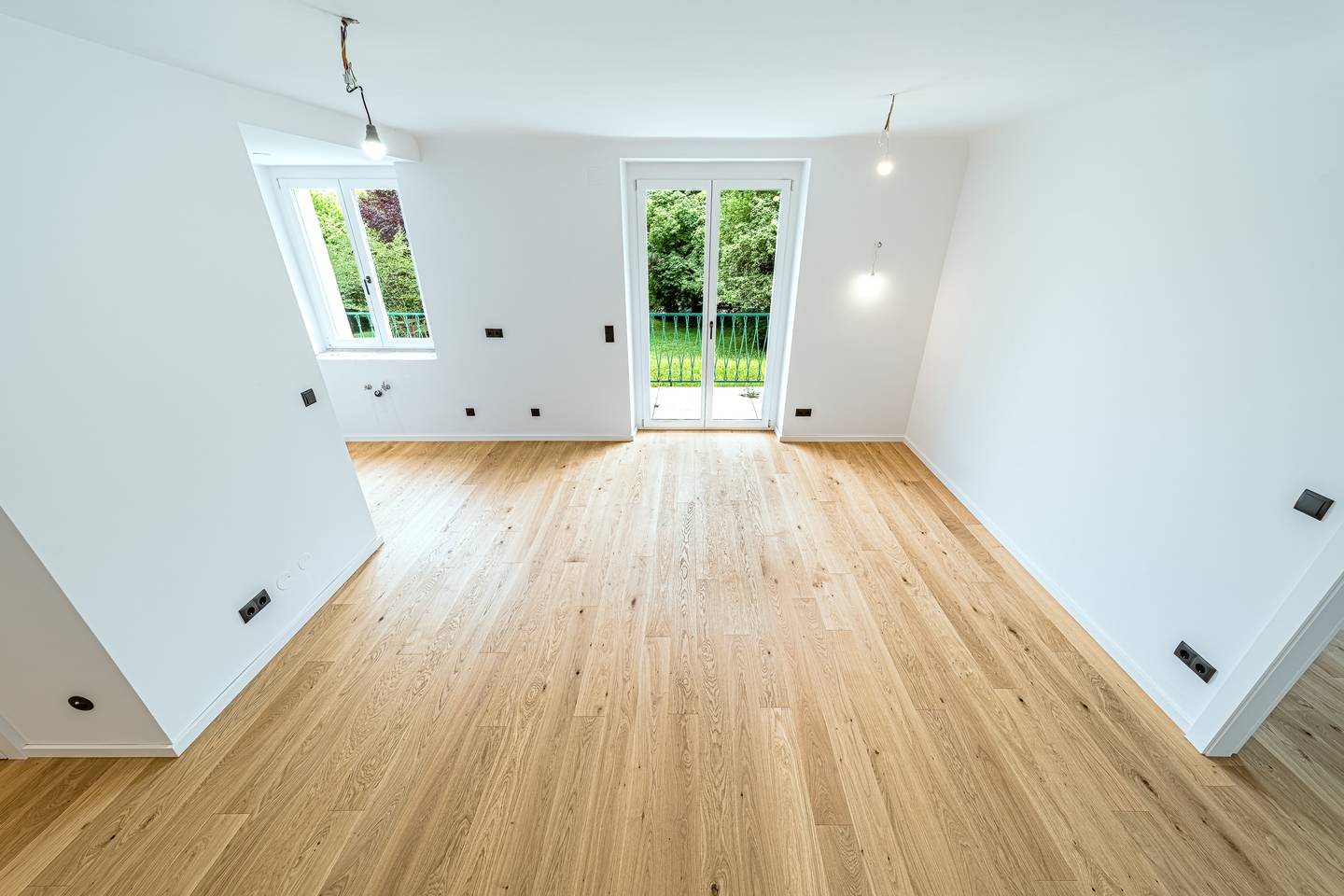
Salmannsdorfer Straße 43a, 1190 Wien
Other apartment for sale
Salmannsdorfer Straße 43a, 1190 Wien
Other apartment for sale
Salmannsdorfer Straße 43a, 1190 Wien

Other apartment for sale
Saileräckergasse 47, 1190 Wien
Apartment for sale
Roter Hof 16, 1080 Wien

Multi unit
Radelmayergasse 6, 1190 Wien

Other apartment for sale
Dorotheergasse 22, 1010 Wien

Apartment for sale
Laxenburger Straße 151, 1100 Wien
Project Gallgasse 17 in 1130 Vienna
7 Units

Gallgasse 17, 1130 Wien
Attic apartment for sale
Weyringergasse 31, 1040 Wien

Apartment for sale
Kantnergasse 50, 1210 Wien
Apartment for sale
Kreitnergasse 24, 1160 Wien
Apartment for sale
Amalienstraße 75, 1130 Wien
Apartment for sale
Keißlergasse 18a, 1140 Wien
Apartment for sale
Amalienstraße 75, 1130 Wien
Apartment for sale
Amalienstraße 75, 1130 Wien

Apartment for sale
Rudolf-Bärenhart-Gasse 13, 1170 Wien
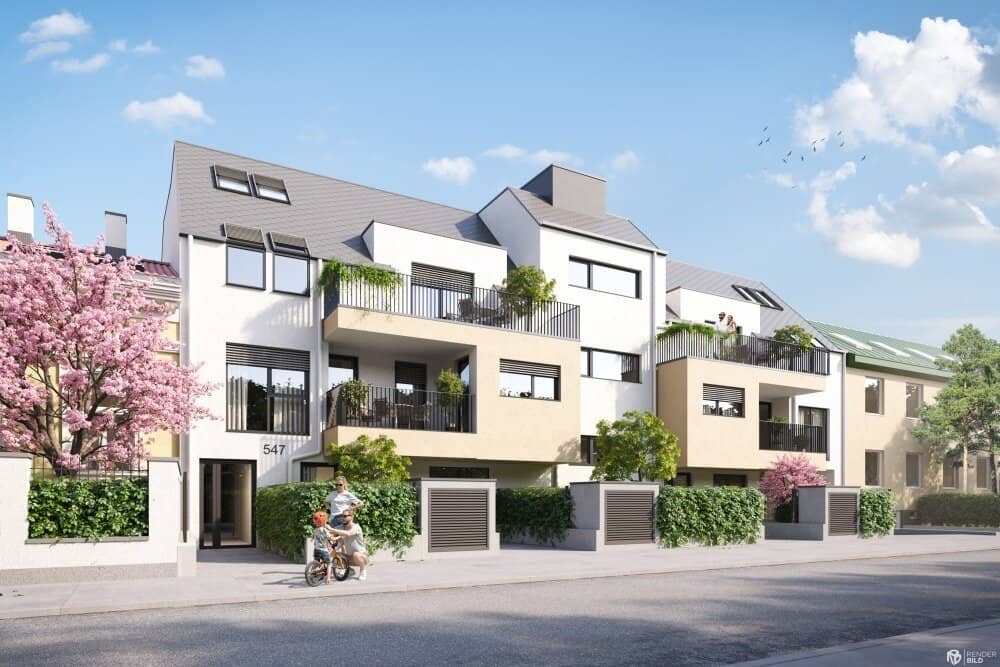
DUO547
26 Units

Breitenfurter Straße 547, 1230 Wien

Multi unit
Nordbahnanlage 4, 1210 Wien
Multi unit
Nordbahnanlage 4, 1210 Wien
Multi unit
Nordbahnanlage 4, 1210 Wien
Apartment for sale in Vienna | Lystio
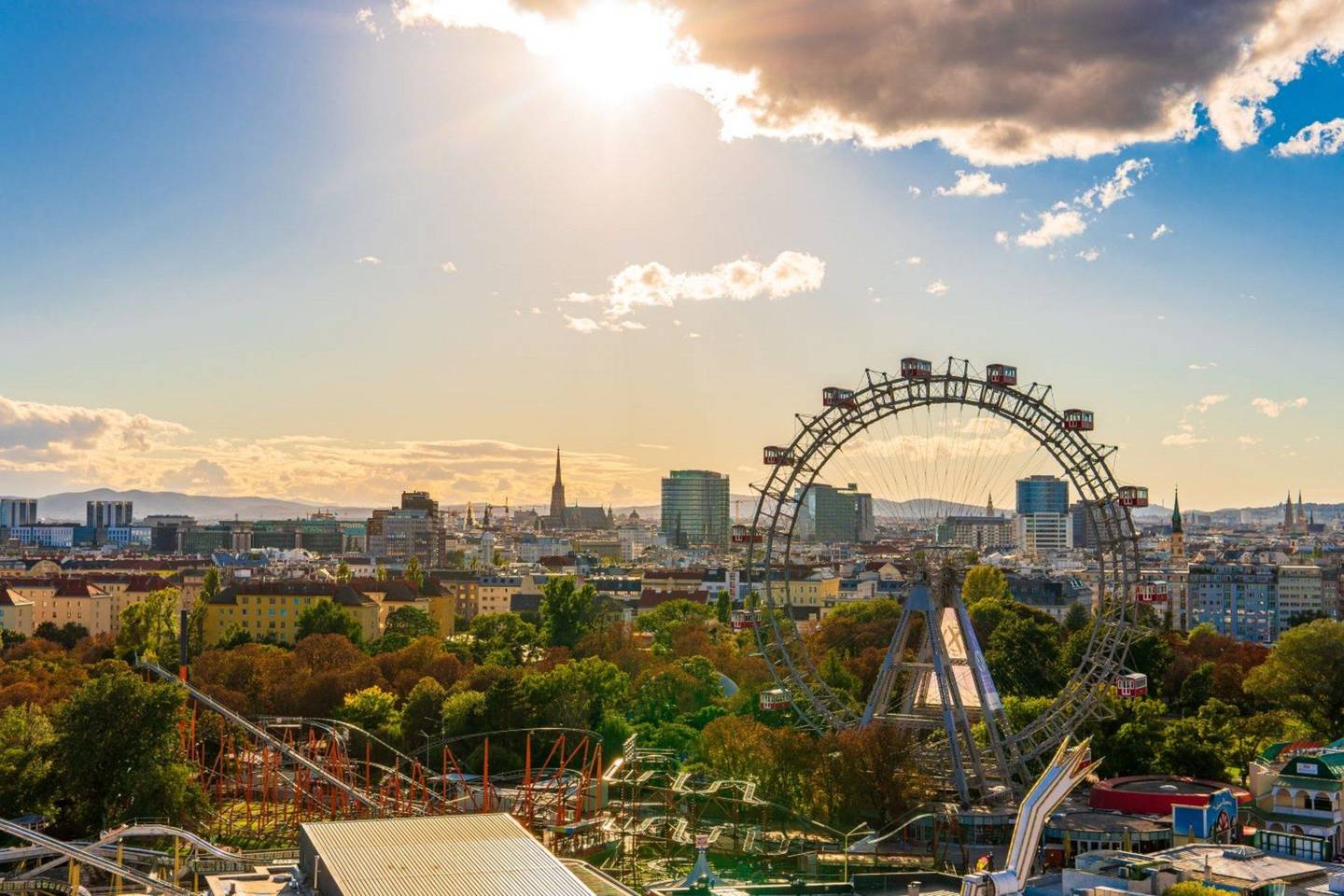
Vienna is one of the most livable cities in the world. Accordingly, condominiums are in high demand — whether for owner-occupation or as an investment. The high quality of life, the stable framework conditions and the wide variety of residential areas make buying real estate in Vienna particularly attractive.
The location of an apartment is one of the most important price and comfort factors in Vienna. The city is divided into 23 districts, offering a wide variety from the historic city center to the green outskirts. Living in the center means being in the middle of the action, surrounded by culture — however, real estate prices are highest here and apartments are often smaller.
On the outskirts, on the other hand, you enjoy more peace and green spaces — and for the same purchase price you usually get a larger apartment (more living or usable space). The proximity to nature and often nice views increase the quality of living there, while good transport connections still get you quickly into the city center.
Important location criteria: Pay attention to infrastructure when choosing. Transport connections are central — a nearby U-Bahn or S-Bahn station greatly increases mobility. Equally important are local supply and shopping opportunities within walking distance. The micro-location also plays a role: Is the street in front of the building quiet or heavily trafficked?
Are there green spaces or parks nearby? Such factors influence quality of life. Each district also has its own character — compare different locations to find your favorite in Vienna.
Condominiums in Vienna are available in all sizes and styles. Small apartments (e.g. a studio) are suitable for singles, while families need more rooms and larger living areas. An important factor is a sensible layout so that the available space is used optimally.
New build or old building: Vienna is characterized by charming old apartments (high ceilings, stucco, parquet) and many modern new builds. New-build apartments offer contemporary comfort — for example elevators, thermal insulation and efficient heating — and usually high-quality fittings.
A first occupancy means that the apartment is brand new and has never been lived in; accordingly, condition and technology are up to date. Old apartments often have a special character, but can have small disadvantages in terms of fittings and energy efficiency (e.g. no lift, higher heating costs).
Fitting features: Typical extras that many buyers pay attention to include:
The costs for condominiums in Vienna vary greatly depending on location, size and fittings. Vienna is one of the most expensive real estate locations in Austria. The purchase price is determined primarily by the district and the apartment size.
In central prime locations, prices are often over 10.000 € per square meter of living space. In simpler locations on the outskirts, apartments can sometimes be found from around 3.500–4.500 € per m².
Incidental costs when buying: In addition to the purchase price, a number of one-off incidental costs are incurred:
In total, you should roughly expect about 10 % of the purchase price as additional buying costs.
Ongoing costs: After purchasing an apartment, regular operating costs are incurred. These monthly costs for property management, cleaning, insurance, reserves, etc. vary depending on the size and fittings of the property.
These costs are often around 2–3 € per m² of living space per month (e.g. about 150 € per month for 70 m²). In addition, there are individual consumption costs for heating, hot water, electricity, internet, etc.
Buying an apartment should be well prepared. Typically, you go through several steps — from the initial search to the final completion at the notary:
Start with a clear idea of your search criteria: Which district do you want to live in, how many rooms do you need, and what is your budget? Then use online portals specifically to find suitable offers.
Tip: Compare several apartments and take your time for viewings — that way you make the best decision.
The prices for condominiums in Vienna depend heavily on location and size. Smaller apartments on the outskirts are available from around 200.000 €, while large apartments in top central locations can cost over 600.000 €.
Important: In addition to the purchase price, plan for about 10 % in incidental costs (e.g. transfer tax, notary, registration fees).
First you search for suitable apartments and view them. If you decide, arrange the financing and negotiate the price. Afterwards the purchase contract is signed. The purchase price is placed in escrow, and the notary handles the formalities. Finally you receive the keys — and the apartment belongs to you.
Customer support and general inquiries. Replies within one business day.
For agents, real estate companies, or technology partners
© 2024-2026 Lystio GmbH, All rights reserved
25,347 apartments for sale in Vienna. Compare districts, property types and states.