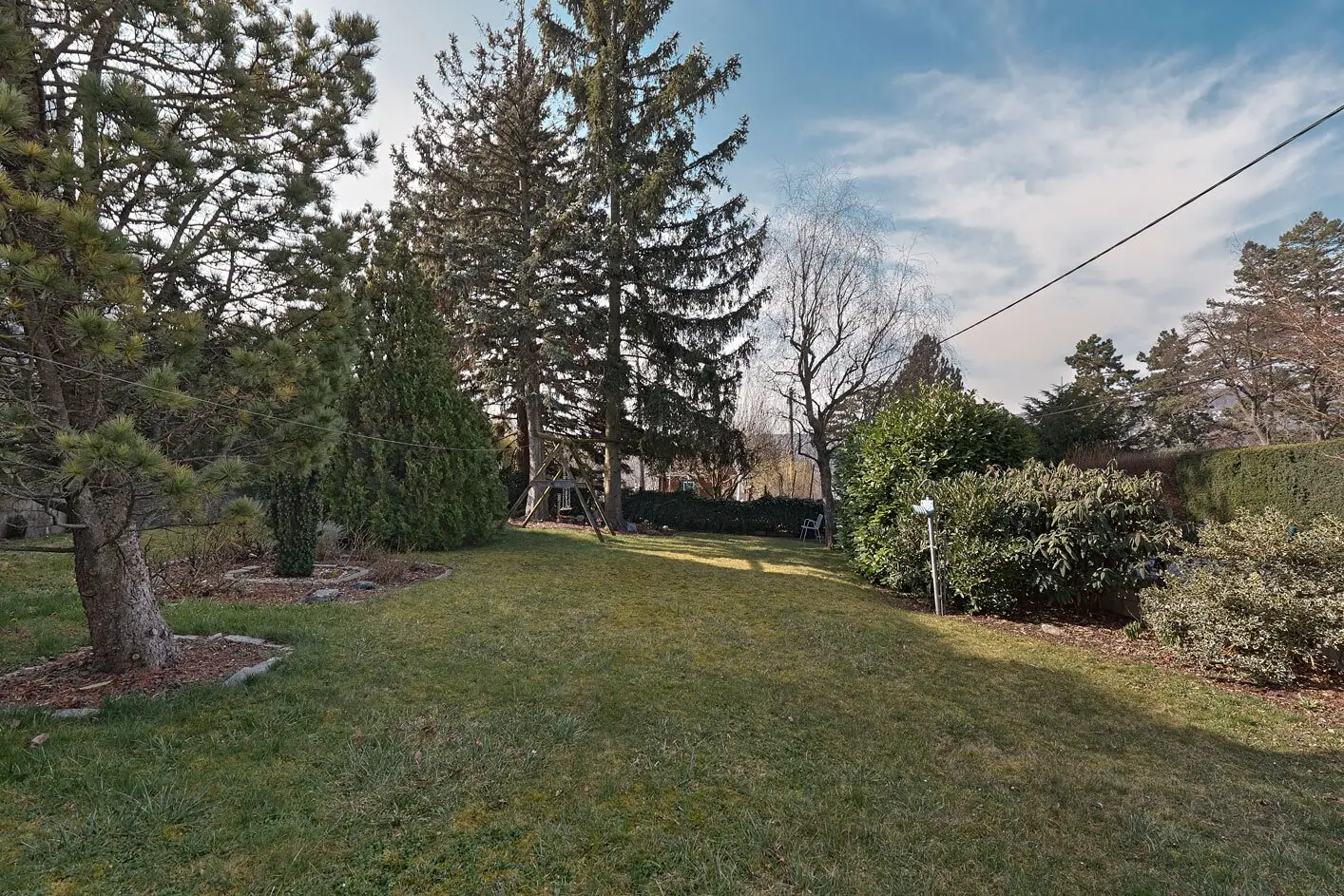
Christian Zellmann
ZELLMANN IMMOBILIEN GmbH
1 d ago
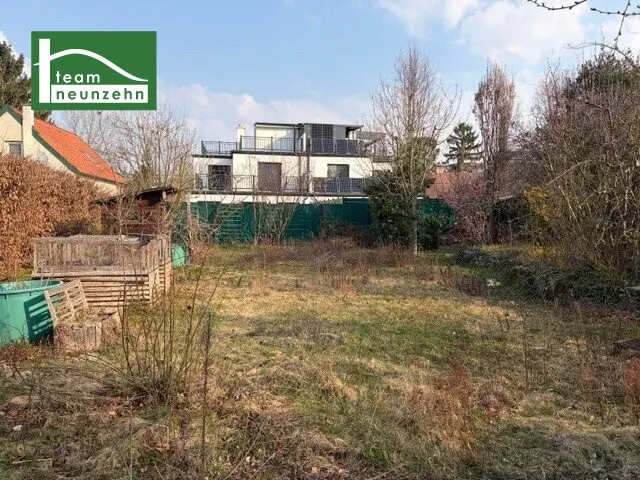
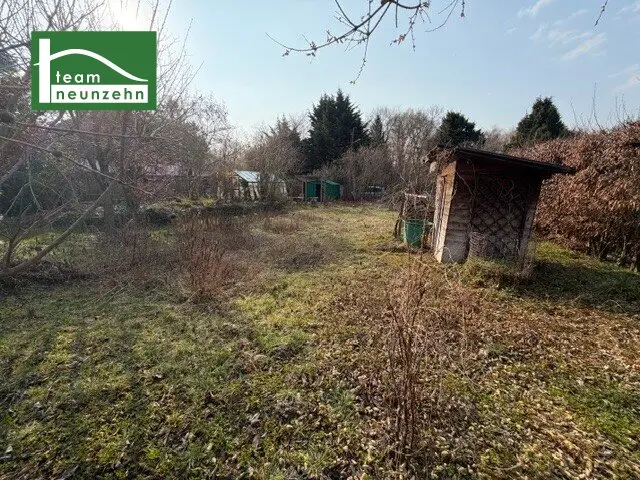
690,000€
1,601€/m²
Plot for sale
431 m²
1230 Wien
Plot for sale
1230 Wien

Building Plot for sale
Kratzmanngasse 6, 1220 Wien
Plot for sale
Reinholdgasse 63, 1220 Wien

Plot for sale
1220 Wien

Commercial Plot for sale
1120 Wien
Building Plot for sale
Kreuzwiesengasse 20, 1170 Wien
Building Plot for sale
Hubert-Eder-Weg 9 - 13, 1190 Wien

Building Plot for sale
1140 Wien

Other Plot for sale
1120 Wien

Building Plot for sale
1230 Wien

Building Plot for sale
1140 Wien

Other Plot for sale
1140 Wien

Building Plot for sale
1100 Wien
Plot for sale
Eduardgasse 5, 1180 Wien
Building Plot for sale
Hubert-Eder-Weg 9 - 13, 1190 Wien
Building Plot for sale
Hubert-Eder-Weg 9 - 13, 1190 Wien

Other Plot for sale
1130 Wien

Plot for sale
1170 Wien

Building Plot for sale
1140 Wien

Building Plot for sale
1210 Wien
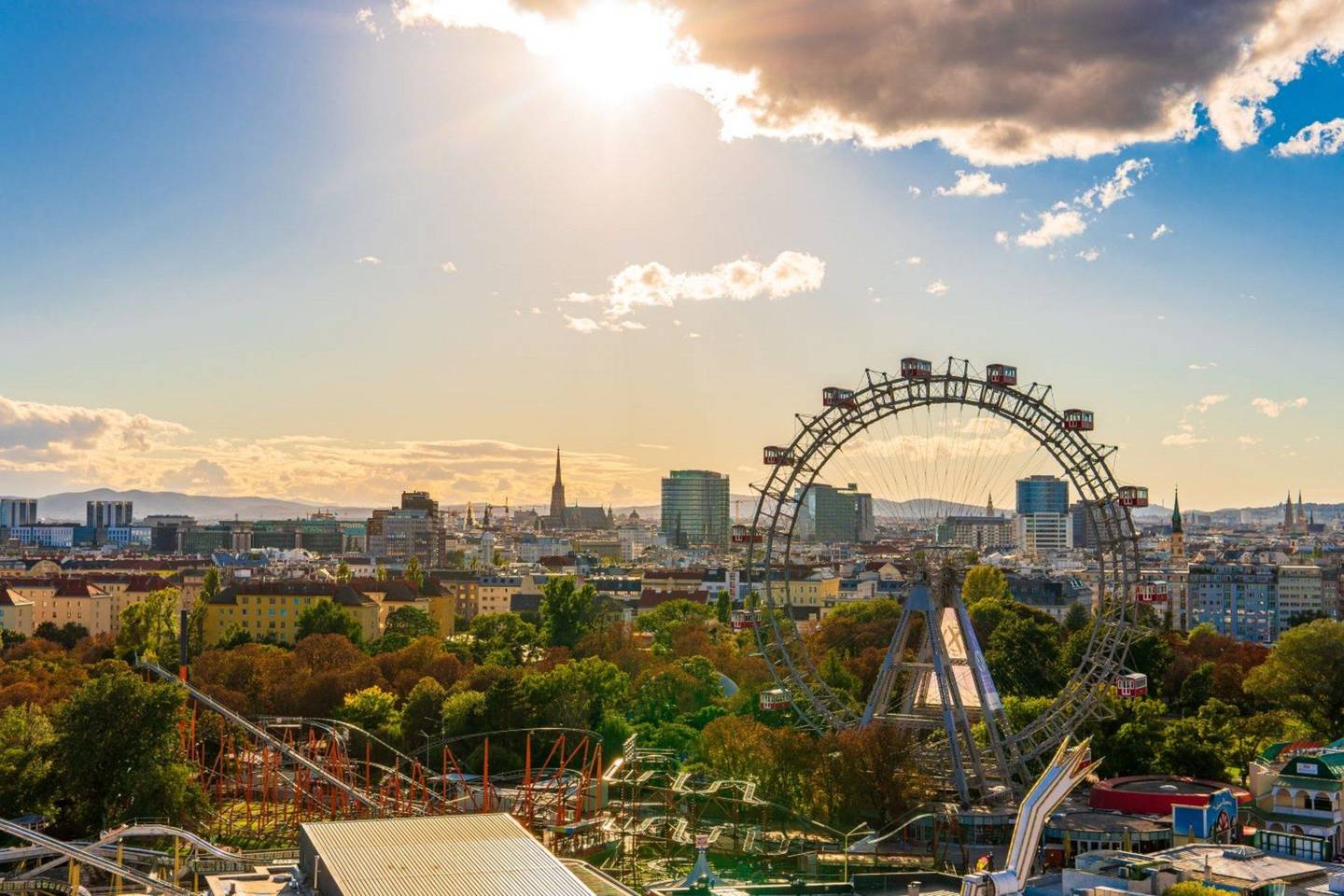
Plot for sale in Vienna | Lystio
Buying your own plot of land in the city of Vienna is a big step for many people to realize the dream of their own house. But the real estate market in Vienna is fiercely competitive: the supply of building plots is limited and purchase prices are correspondingly high.
Vienna has recorded a high demand for real estate for years, which also shapes the market for plots. Vacant building sites are particularly scarce in central locations. Many inner-city districts are already densely built up, so new plots mainly emerge in the outer districts.
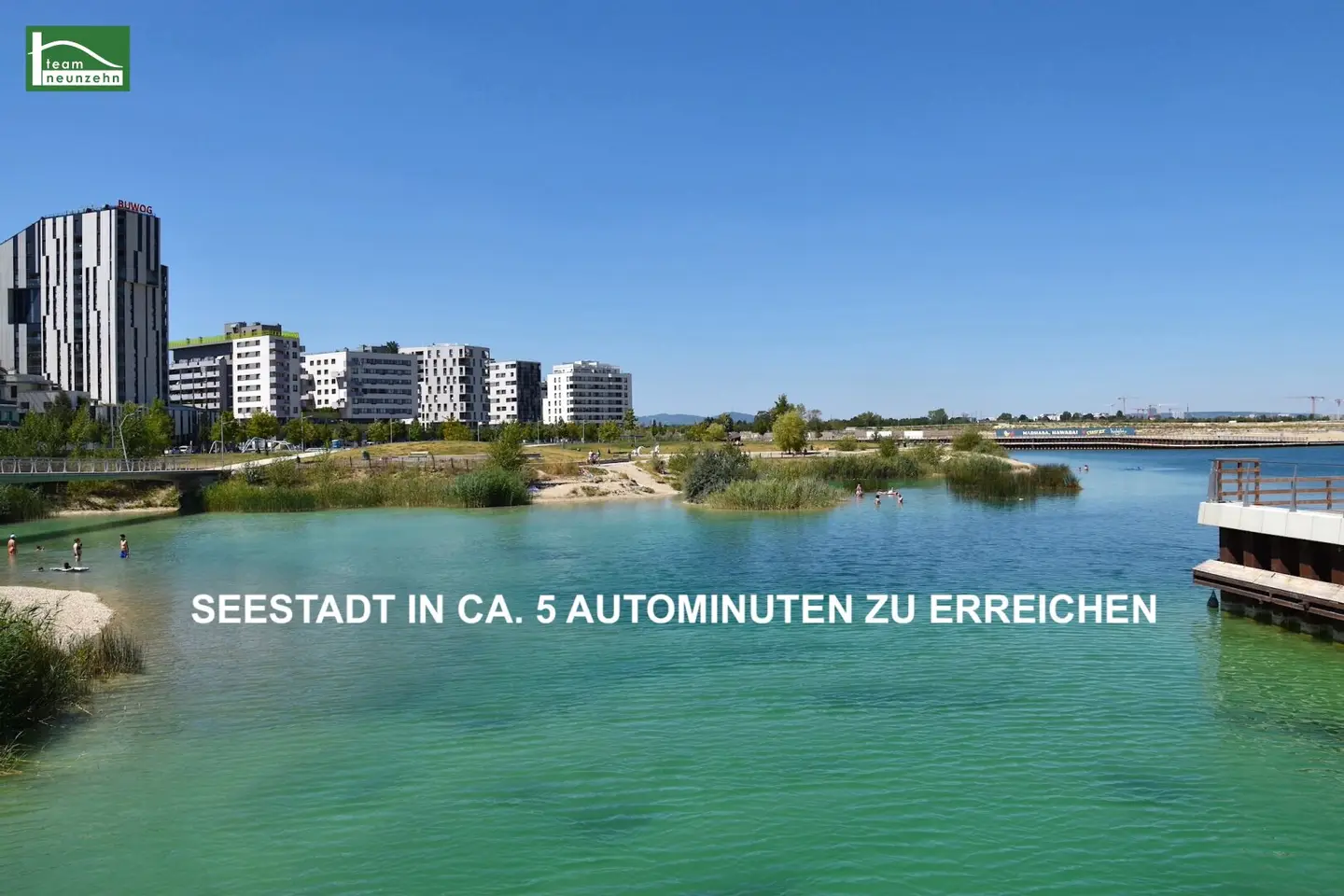
In districts such as Donaustadt or Floridsdorf, former industrial and green spaces are being rezoned to create new building land. New development areas such as the Seestadt Aspern in Donaustadt, for example, show that the city is continuing to grow and new settlement projects are being developed.
Location is the decisive factor for the plot price. In a simple residential location on the city outskirts the price per square meter can still be comparatively low, while a multiple is paid in noble villa areas. In general, plot prices in Vienna have risen sharply in recent years.
Recently this trend has somewhat flattened – in some districts prices are stagnating or have only risen slightly. Overall, however, only a few areas are still available and good locations still achieve top prices.
When buying a plot you should pay close attention to the facilities and possible uses. This initially includes the infrastructure: Is the plot already fully serviced, i.e. are connections for electricity, water, sewer and telephone/internet available?
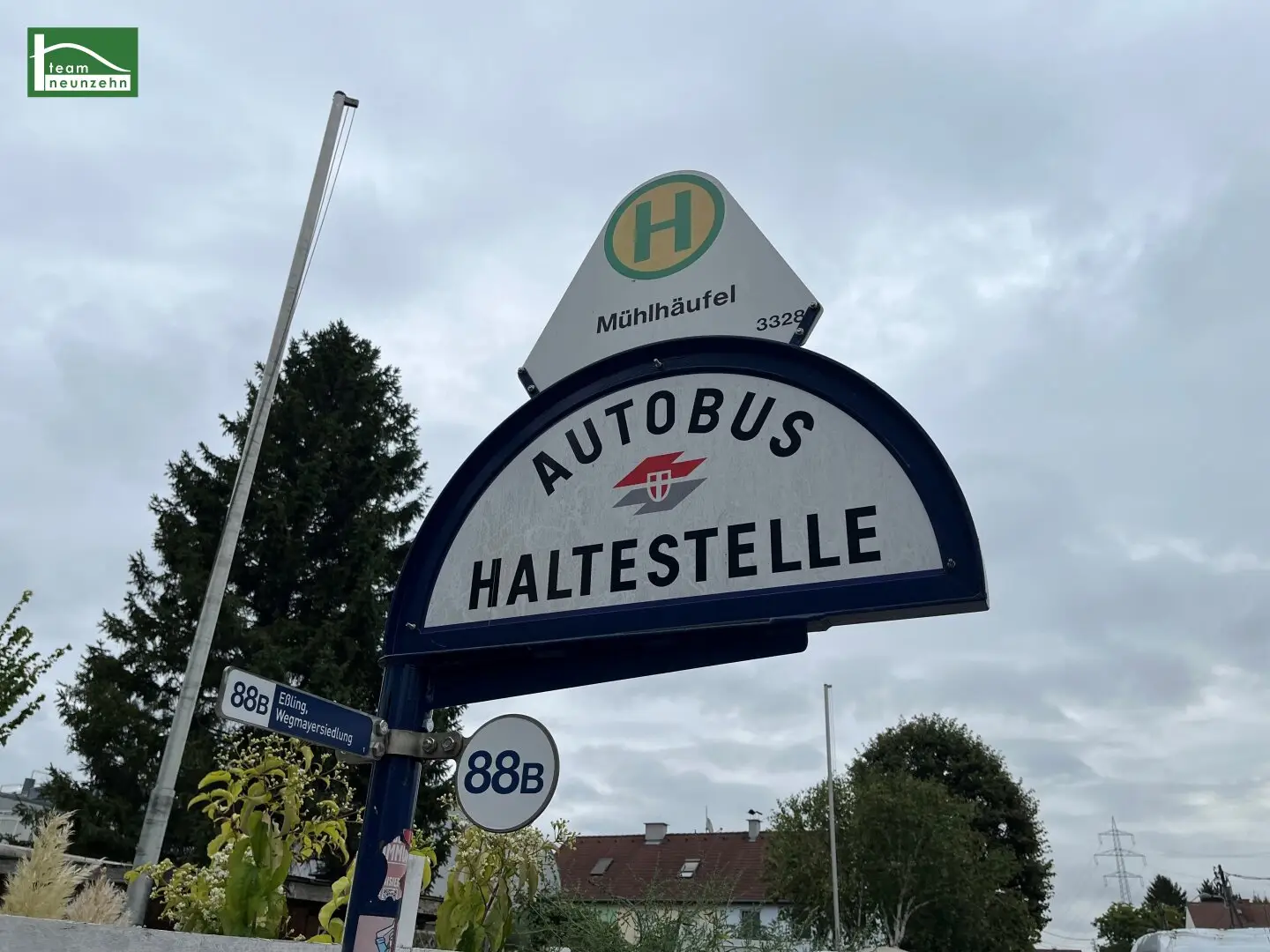
An unserviced building plot incurs additional costs to have these supply lines installed. Equally relevant is the transport connection – good access to public transport (e.g. proximity to bus, train or subway) as well as a developed road up to the plot increase the value and make daily life easier.
The structural conditions also play a major role. In Vienna's development plan the building class and type of construction are specified for each plot. The building class defines the maximum permitted building height. Building class I, for example, generally means that buildings may only be constructed up to approx. 7.5 m in height (about two storeys).
In higher building classes, correspondingly more can be built (building class II, III etc. allow additional storeys). The type of construction specifies whether building must be in an open or closed form – open construction requires freestanding buildings with a distance to the neighbouring plot, while closed construction allows buildings to be built directly on the boundary.
These regulations influence how much living or usable space can be realized on the plot. In many cases the development plan also specifies a maximum buildable area or a floor area ratio, which limits the possible usable floor area.
Depending on the intended use, the features of the future building differ. A single-family house will typically have a garden as an open space, possibly with a terrace for private recreation.
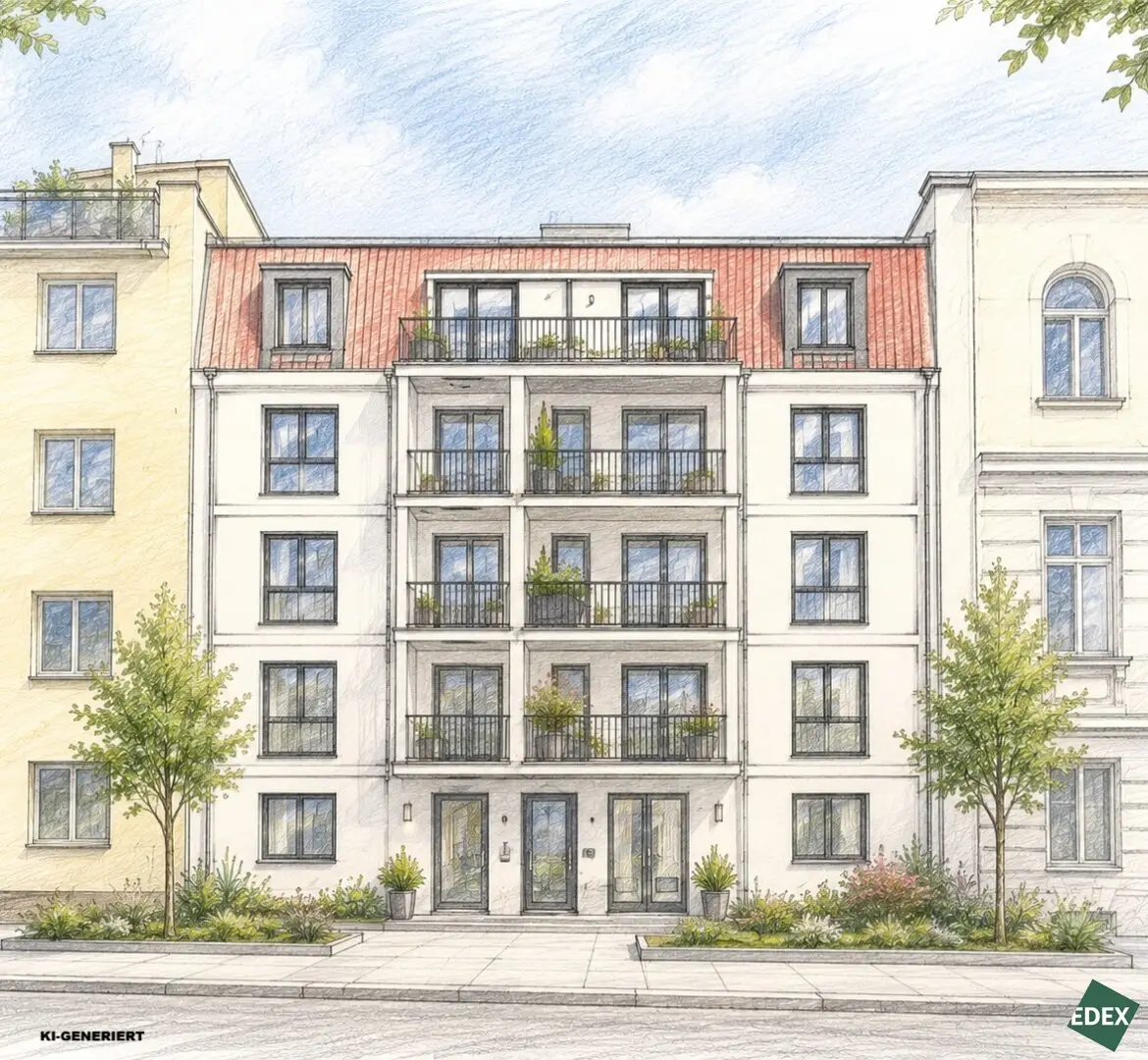
For larger residential projects on a plot – for example a multi-family house – balconies for individual apartments are often planned and an underground car park is usually included.
If commercial spaces are to be created on the plot, such as an office building, additional requirements (such as customer parking or delivery access) may need to be taken into account.
The availability and type of plots vary greatly depending on the district and location within Vienna. In the outer districts – for example in the aforementioned Donaustadt (22nd district) or in Liesing (23rd district) – there are comparatively many building plots.
Here you will often find parcels for single-family houses in newly developed residential areas. These locations on the city outskirts usually offer a quieter environment and more green space, which is attractive for families. The price per square meter is also lower in outer districts than in central districts.
In some peripheral locations, especially near large green areas such as the Vienna Woods or the Lainzer Tiergarten, there are particularly sought-after villa locations. One example is the district of Hietzing (13th district), where plots are located near the Lainzer Tiergarten. This environment is characterised by peace and lots of nature – a true quiet green setting.
Such plots are often large, exclusive and expensive, as representative villas or single-family houses on generous plot sizes are usually found here. Those who wish to live there enjoy a quiet life in the countryside but must expect very high purchase prices.
In established residential districts such as Döbling or Währing there are only occasional vacant building plots. If a larger inner-city plot does go on sale (for example because an old property is demolished), it is often a rare opportunity.
Such an opportunity can be, for example, a corner plot in a good urban location on which a new residential building may be constructed. However, the purchase prices for such offers are typically very high and they often attract developers planning a multi-unit residential building.
Speaking of developers: Larger plots in Vienna are often offered as a project. That means a developer offers a plot already with a concrete building concept or even a building permit for a property.
The purchase prices for plots in Vienna depend heavily on location, size and use. In cheaper outer districts plot prices start at around 600–800 euros per square metre, while in exclusive villa locations 2,000 to over 3,000 euros can be reached.
For example, a building plot with 600 m² in an outer district can cost around 400,000–500,000 euros, while an equally sized plot in a noble location (for example Döbling) can be well above 1.5 million euros. It is important to note that in addition to the plot price there are additional costs (taxes, fees and possibly brokerage commission).
When buying a plot, several factors must be carefully checked. First, the zoning must be clear: Is the plot designated as building land and what may be built on it? Then the development regulations (building class, type of construction and possibly the maximum floor area ratio) are decisive – they determine how high and how dense you may build and thus how much living space is possible.
The shape and size of the plot (area) also play a role; a large plot or corner plot often offers more design options than a narrowly cut plot. It is also important whether the plot is already serviced, i.e. whether connections for electricity, water and sewer are available or whether these first have to be provided.
You should also consider the location and surroundings: How is the connection to public transport? Are there shopping opportunities and other infrastructure nearby? Factors such as noise sources or a sloping site can affect quality of life.
The city of Vienna divides building areas into different building classes that define the permitted building height. Building class I is the lowest category and generally means that buildings are only allowed to be constructed up to approximately 7.5 m in height.
That usually corresponds to a ground floor plus an adaptable attic at a house. In building class II, by comparison, around 12 m in height (about three full storeys) are permitted, and in building class III even higher buildings, etc.
Depending on the building class, different uses are possible, so certain property types – from single-family houses to multi-family houses – are only realizable in suitable building classes.
Customer support and general inquiries. Replies within one business day.
For agents, real estate companies, or technology partners
© 2024-2026 Lystio GmbH, All rights reserved
564 plots for sale in Vienna. Compare districts, property types and states.