Rudolf Georg Kochesser, MA
SGN Gemeinnützige Wohnungs- u. Siedlungsgenossenschaft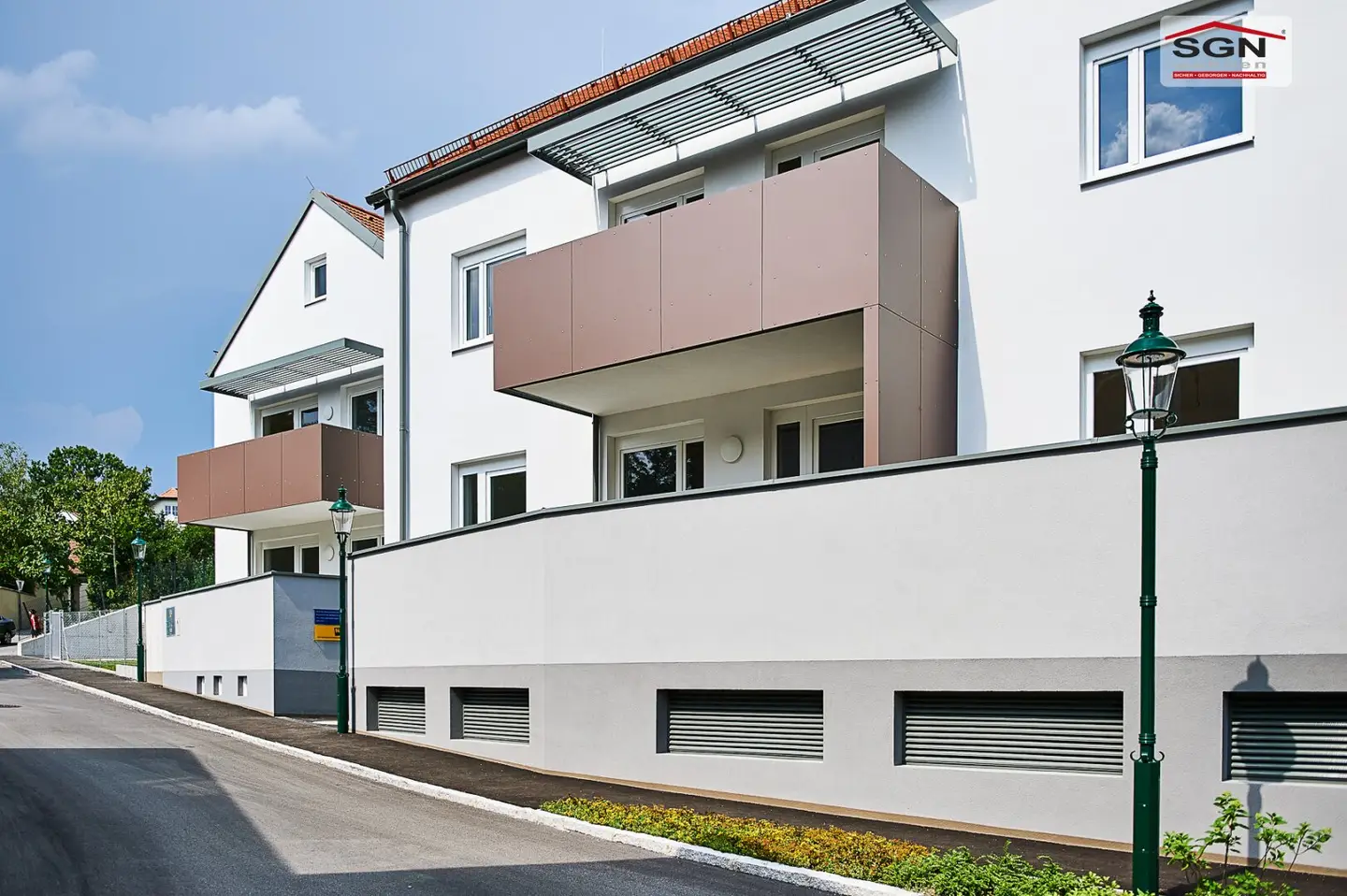
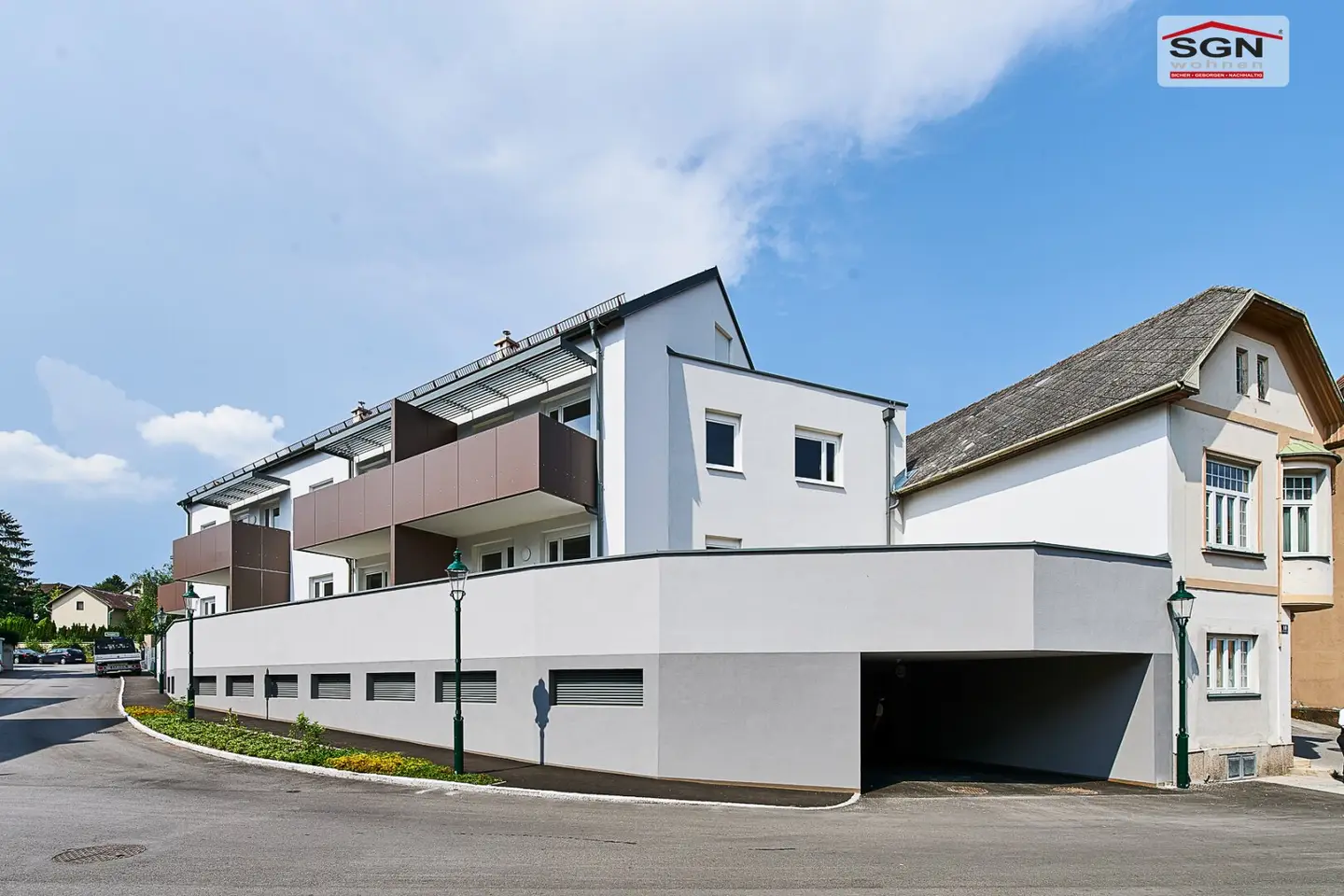
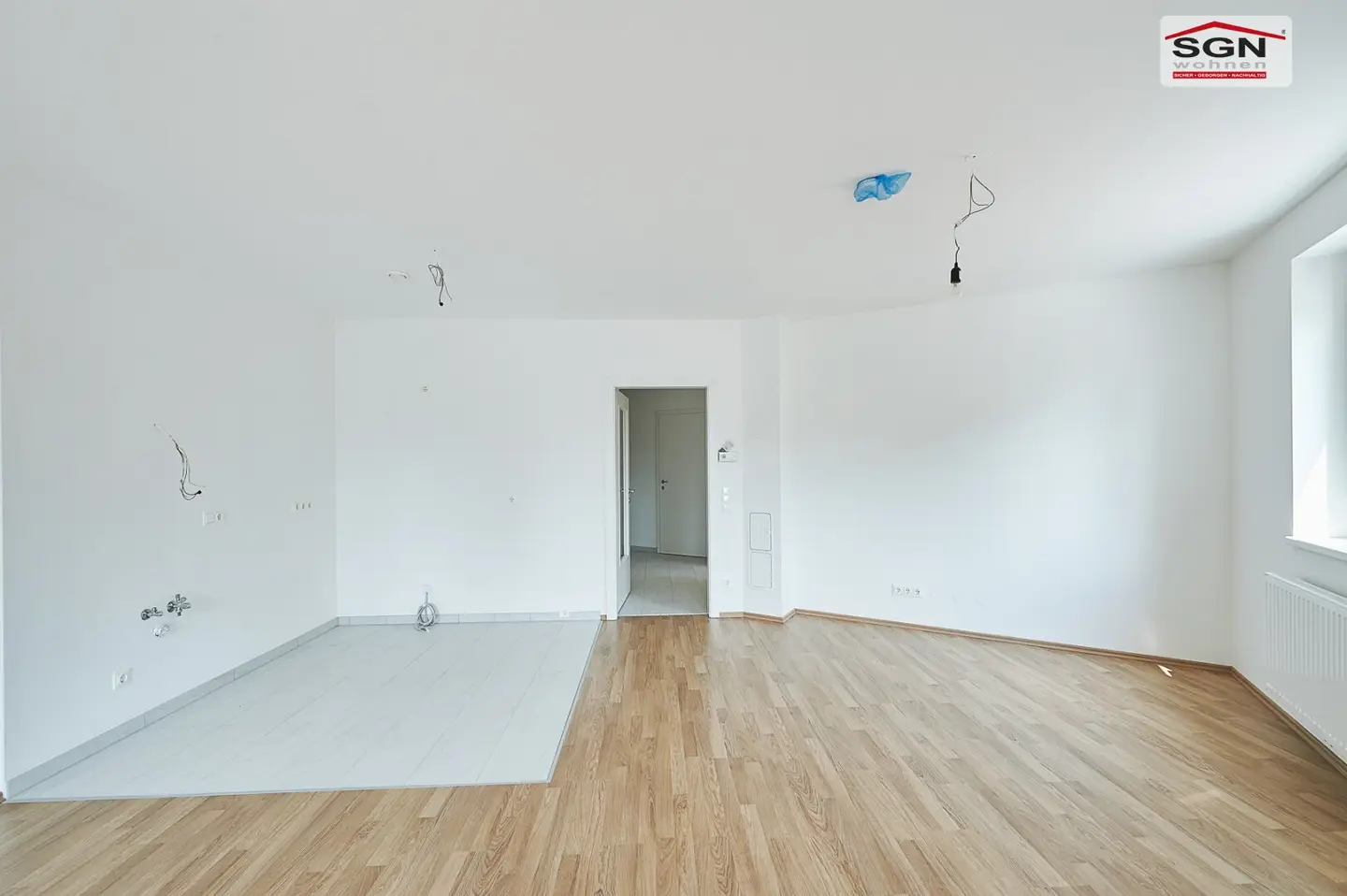
2 d ago
969€/month
17€/m²
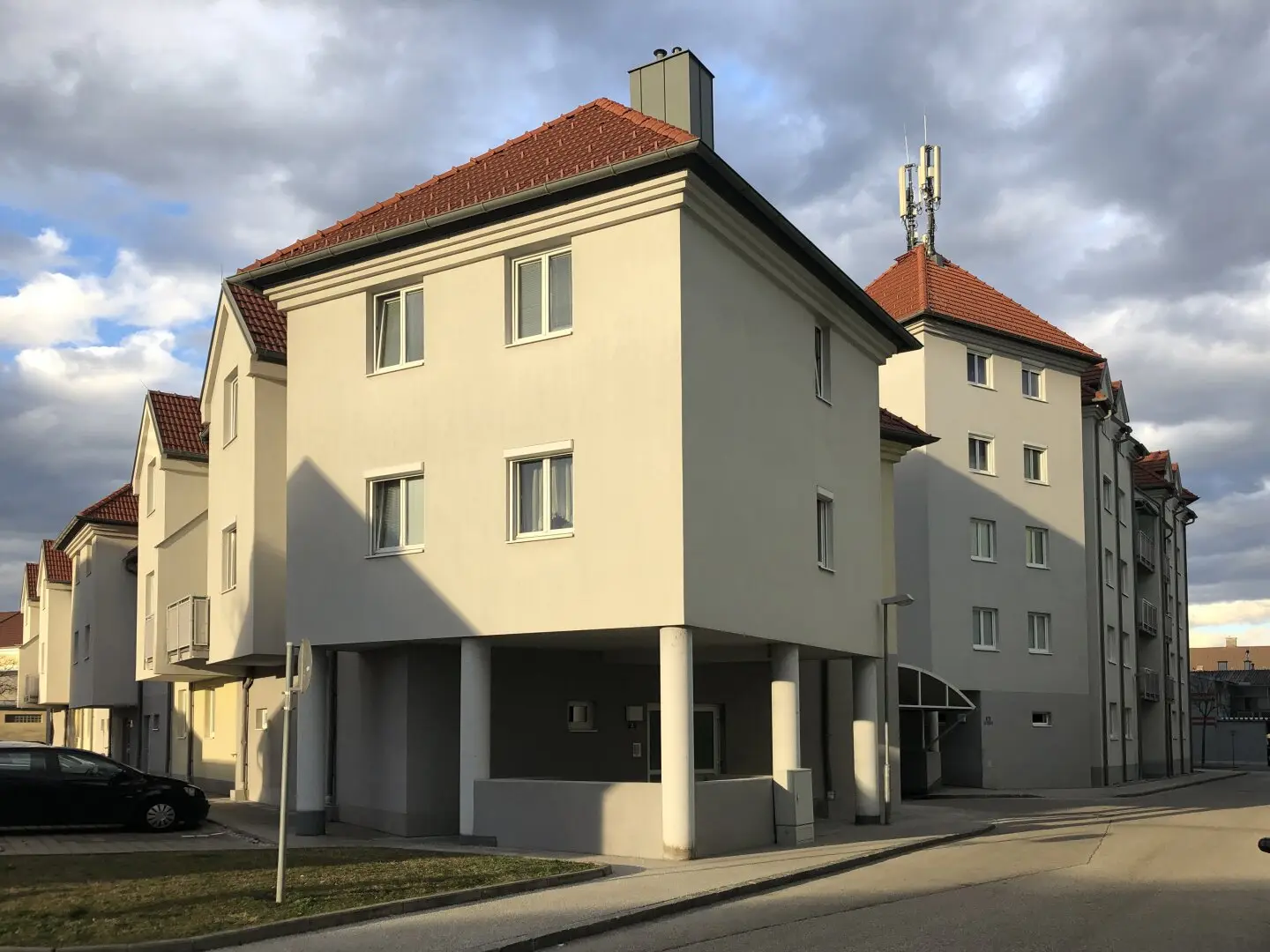
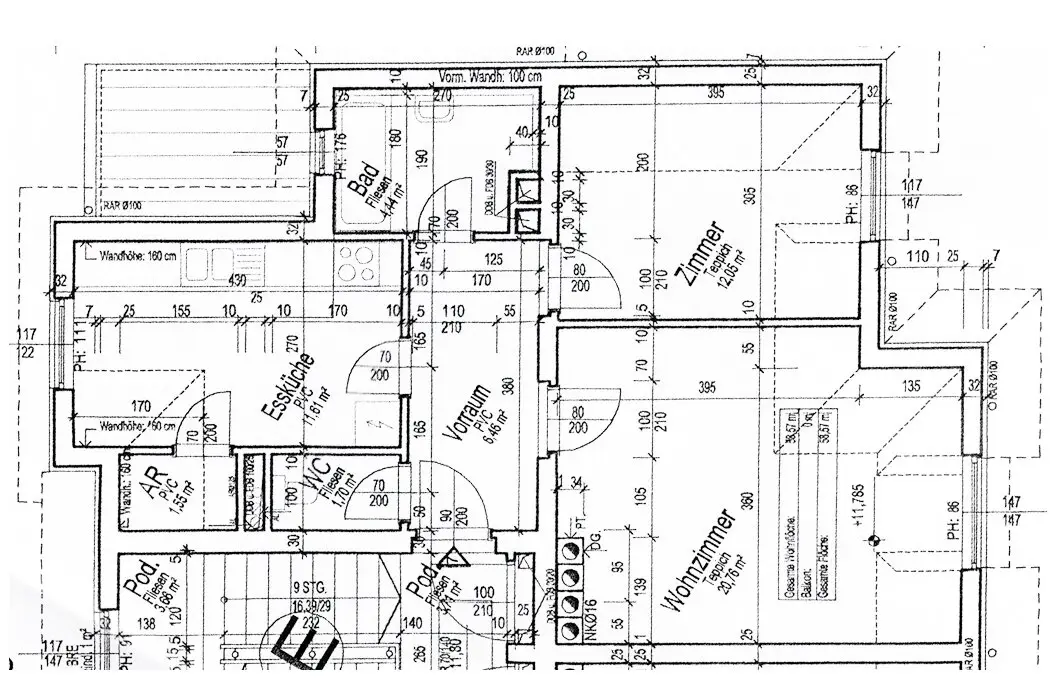
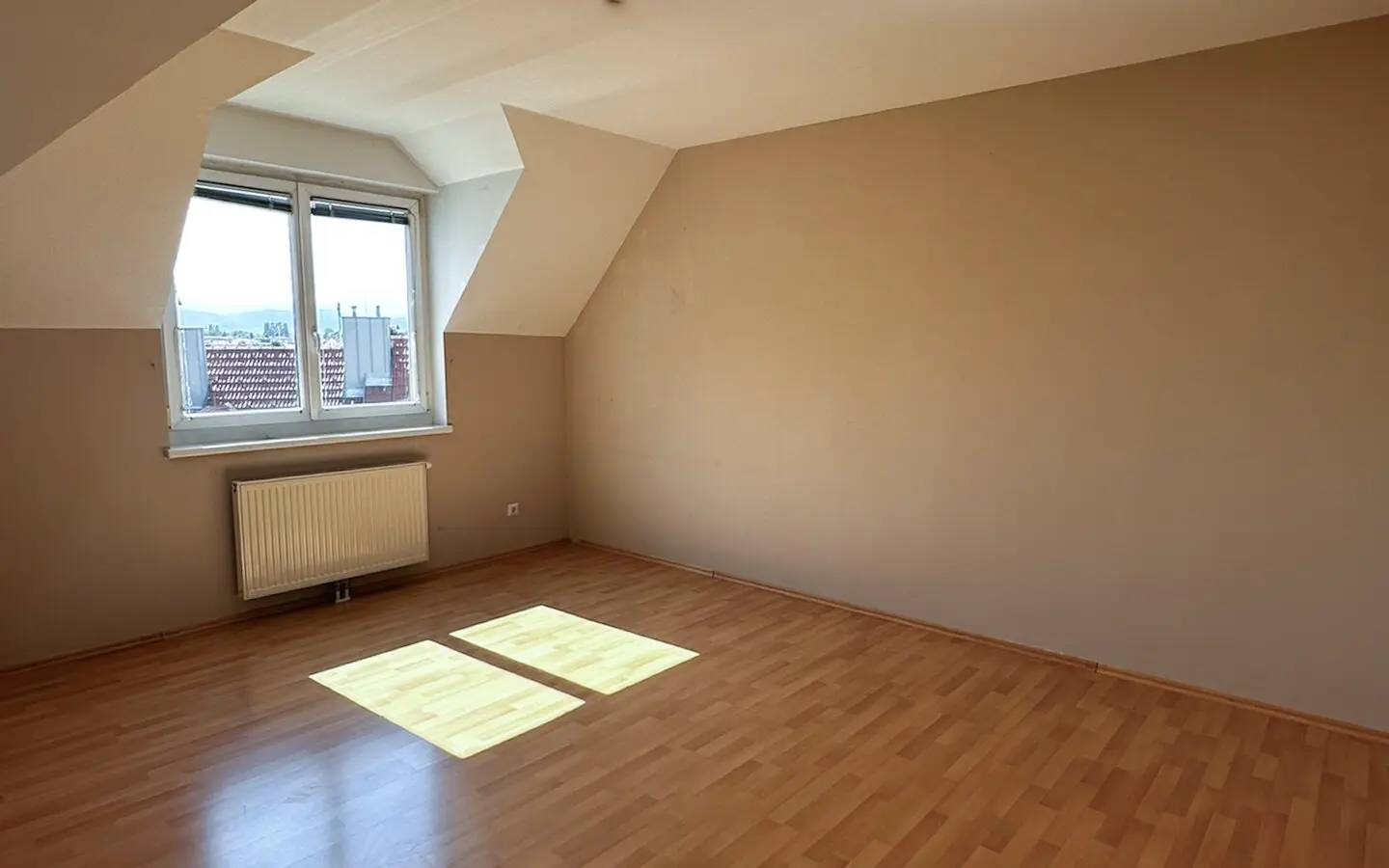
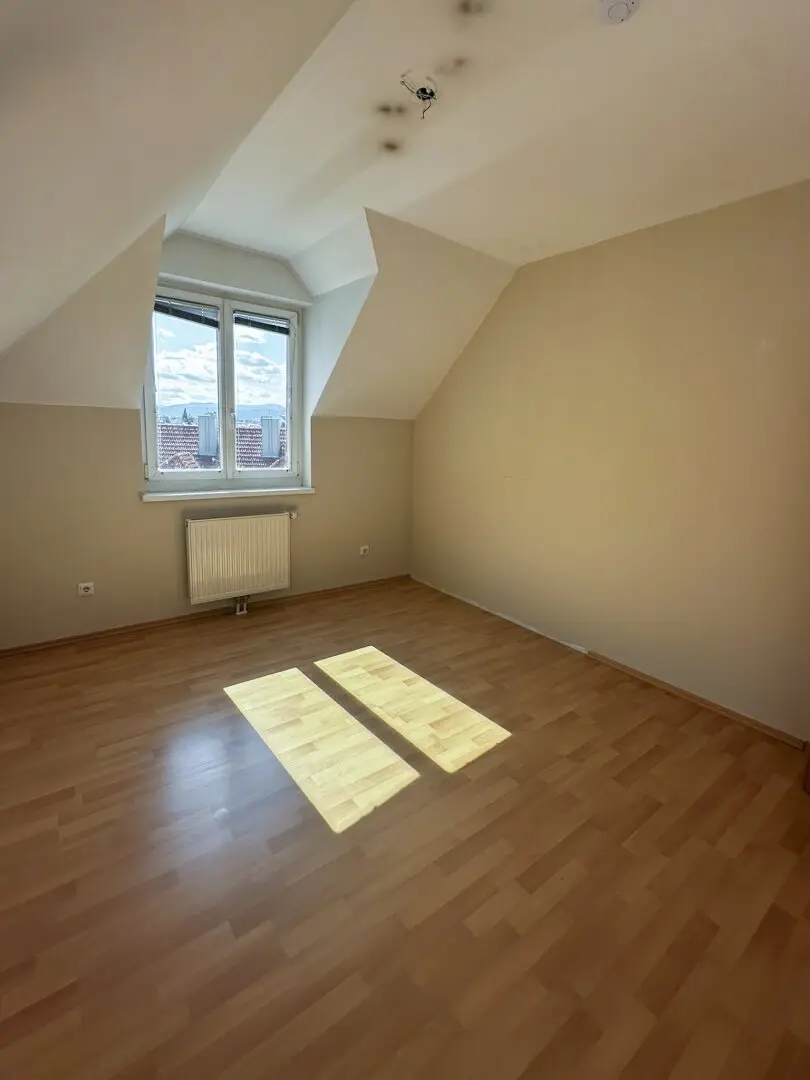
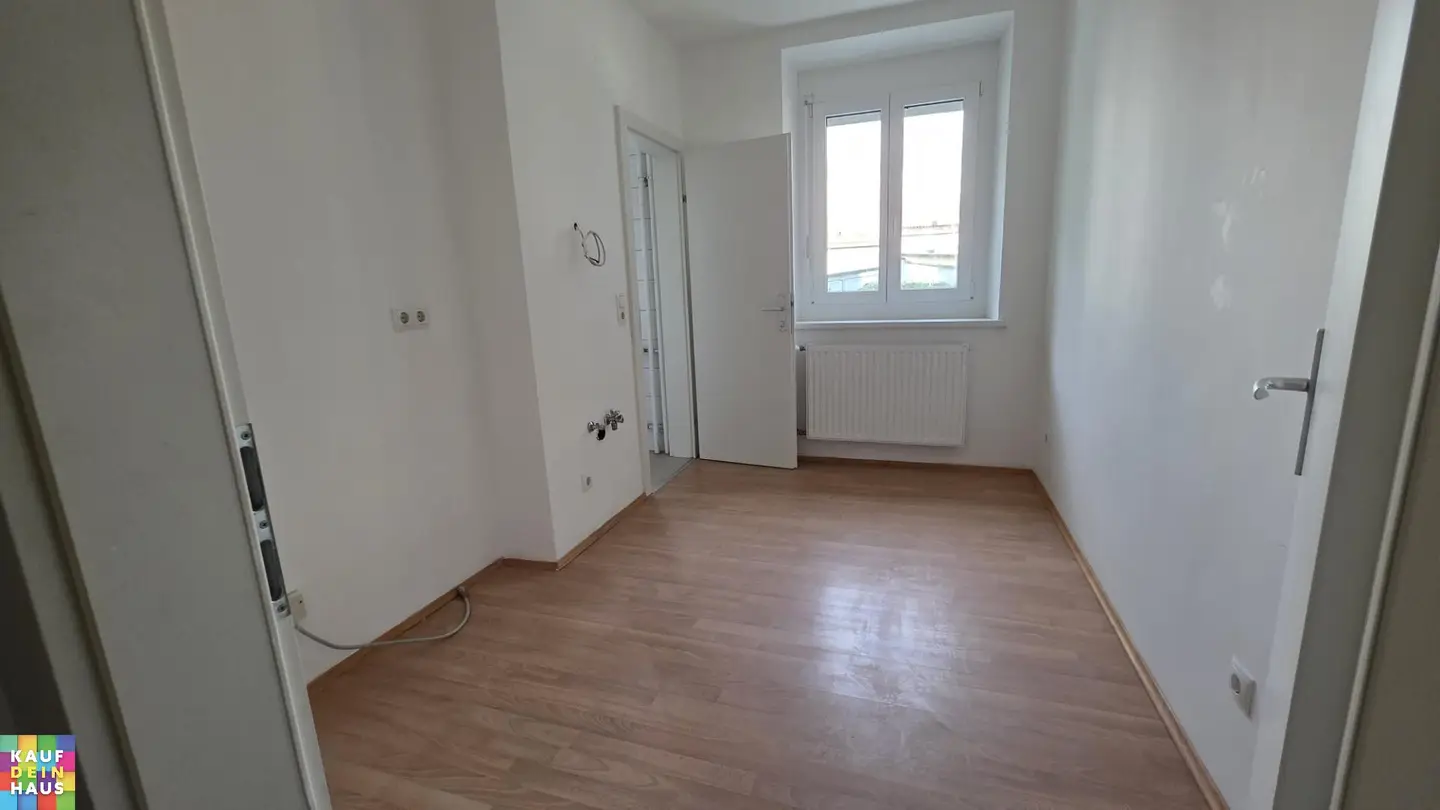
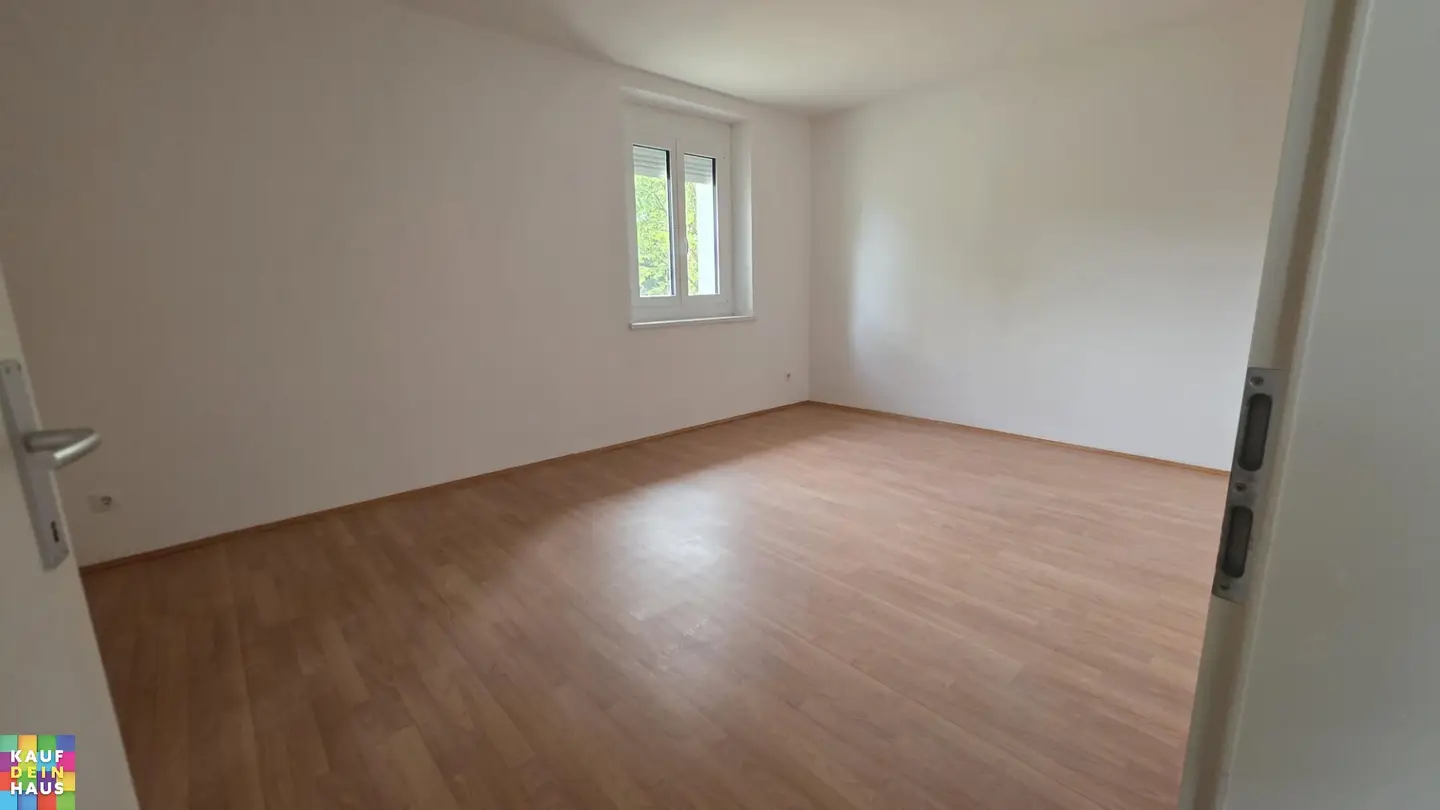
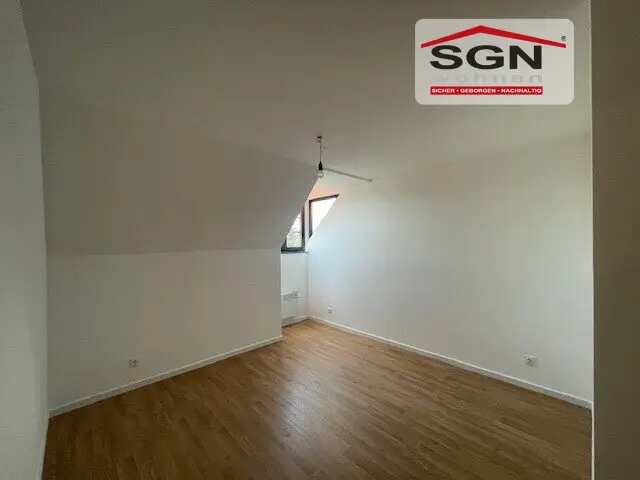
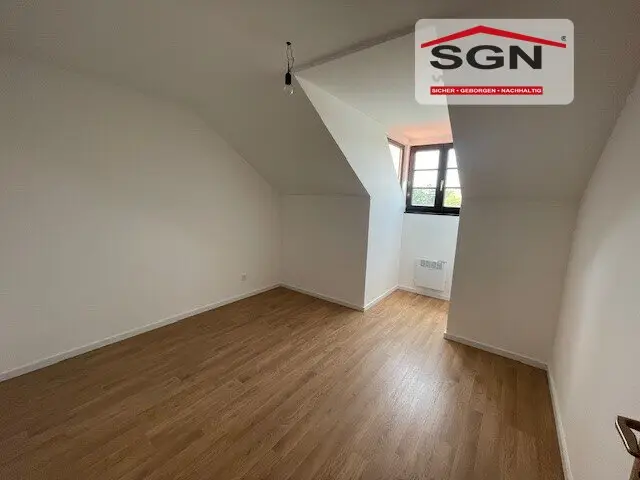
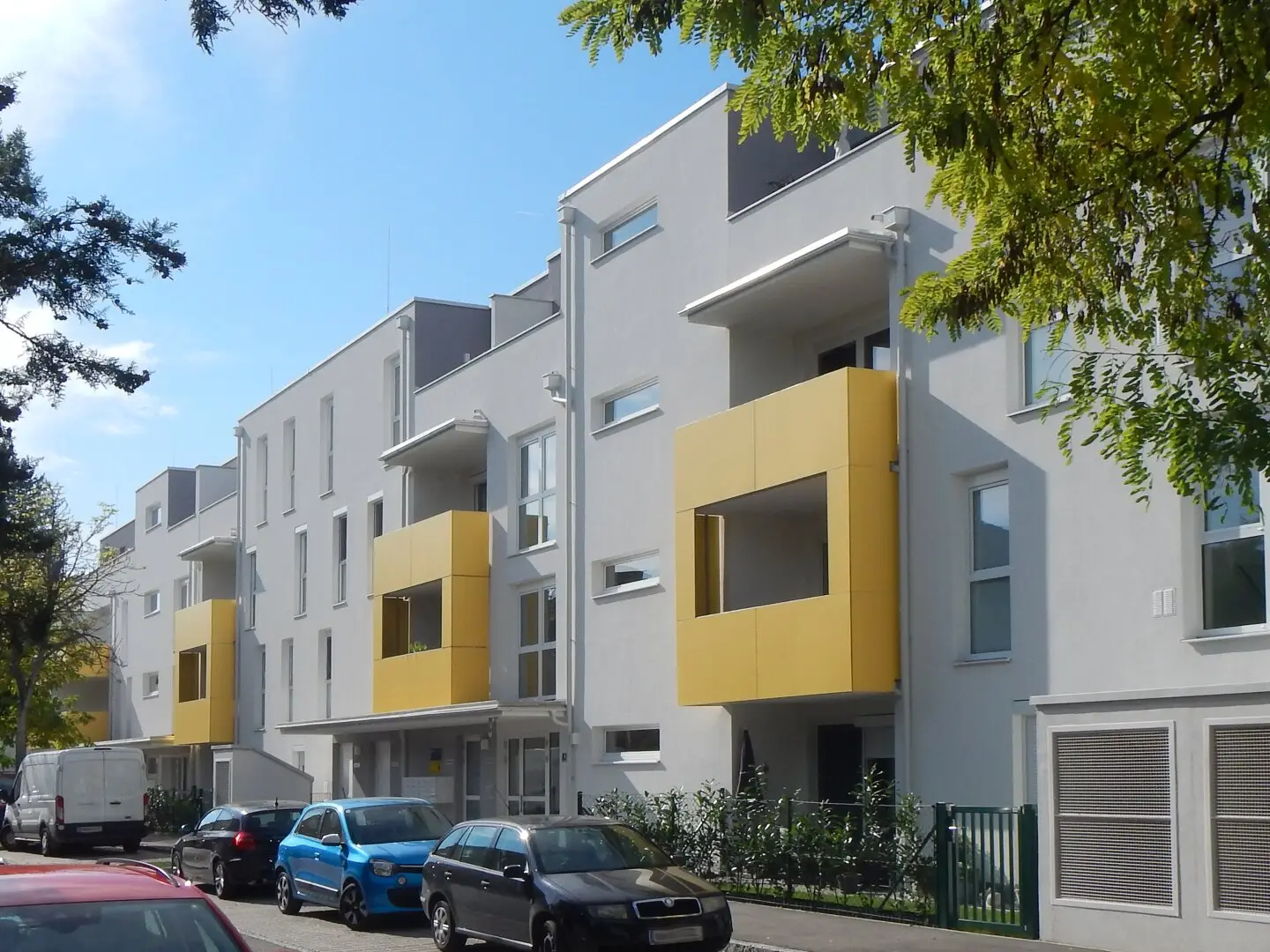
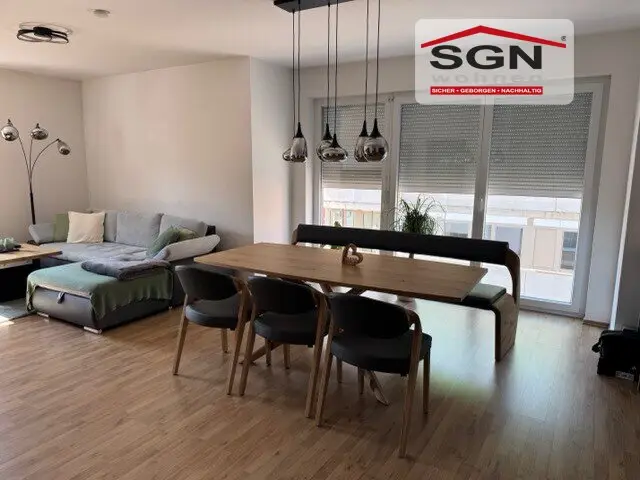
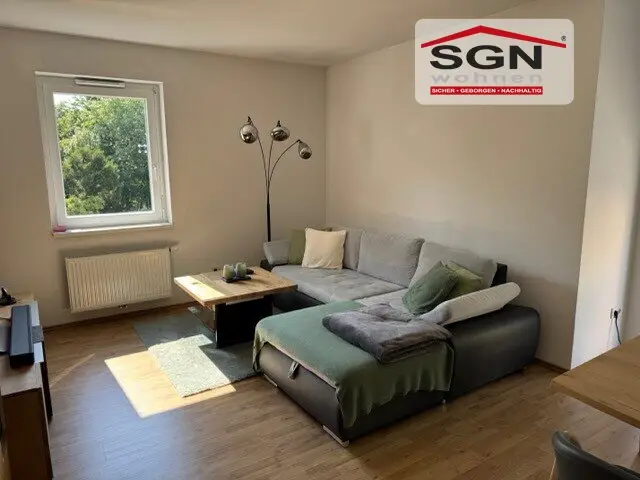
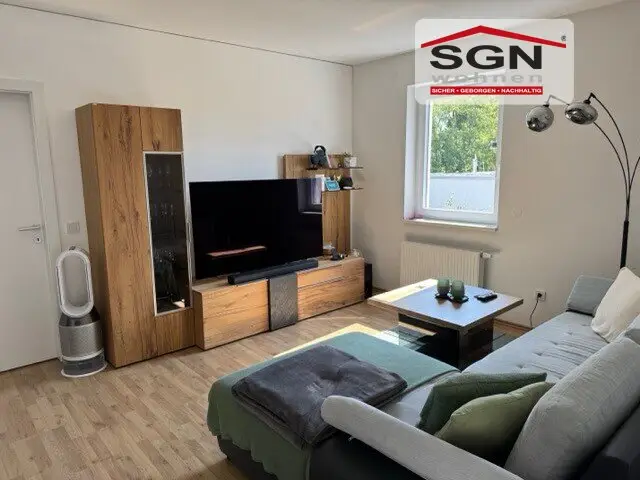
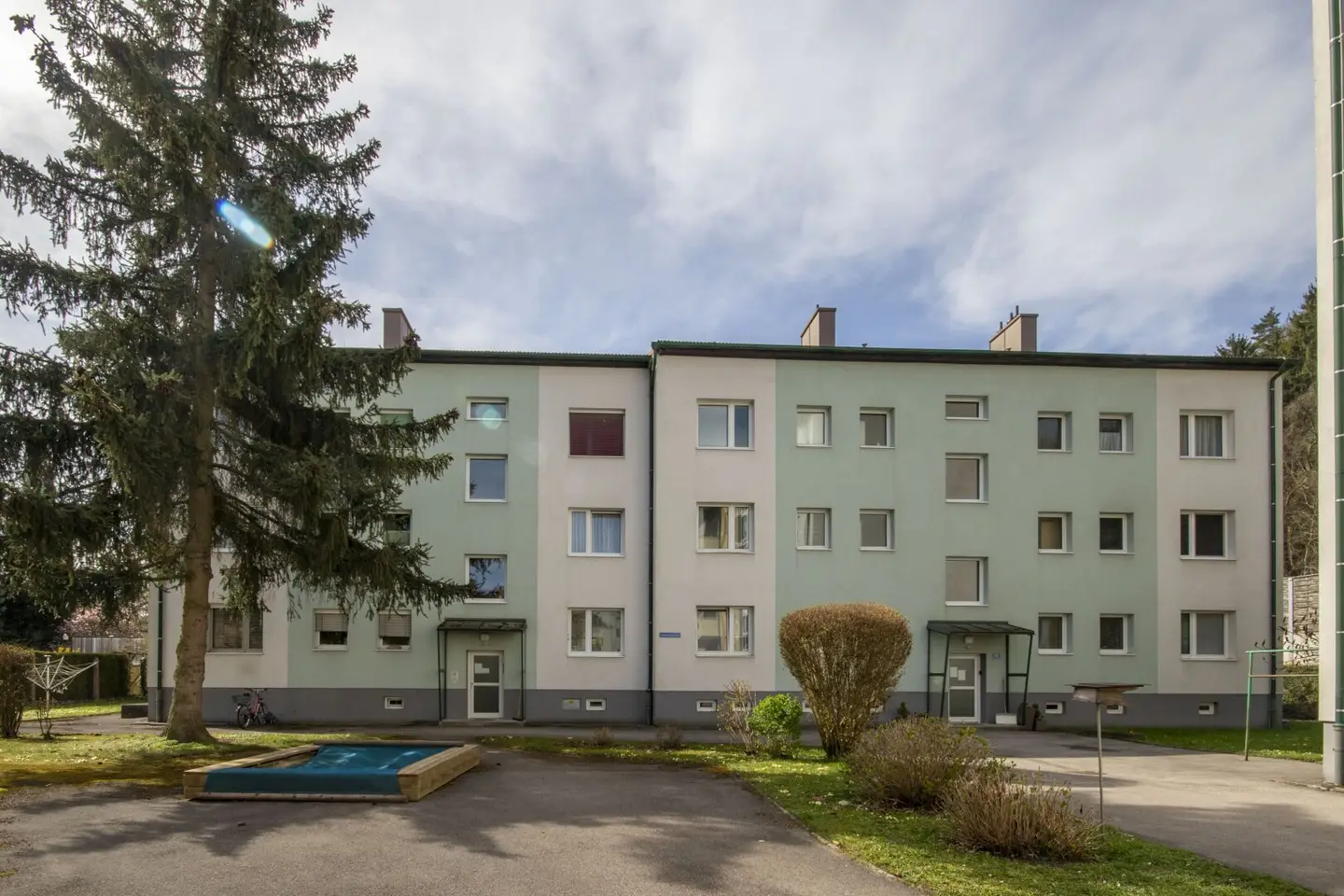
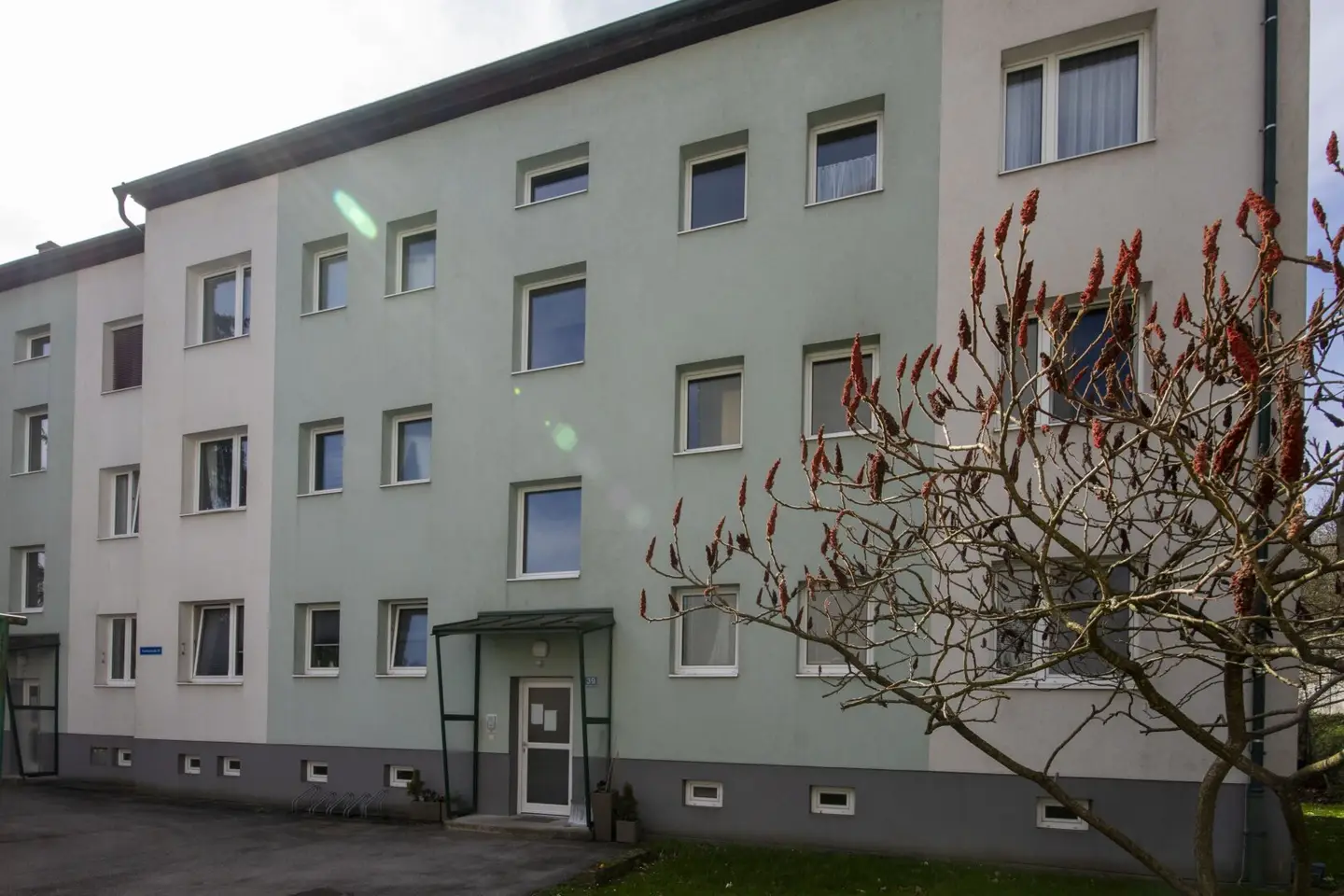
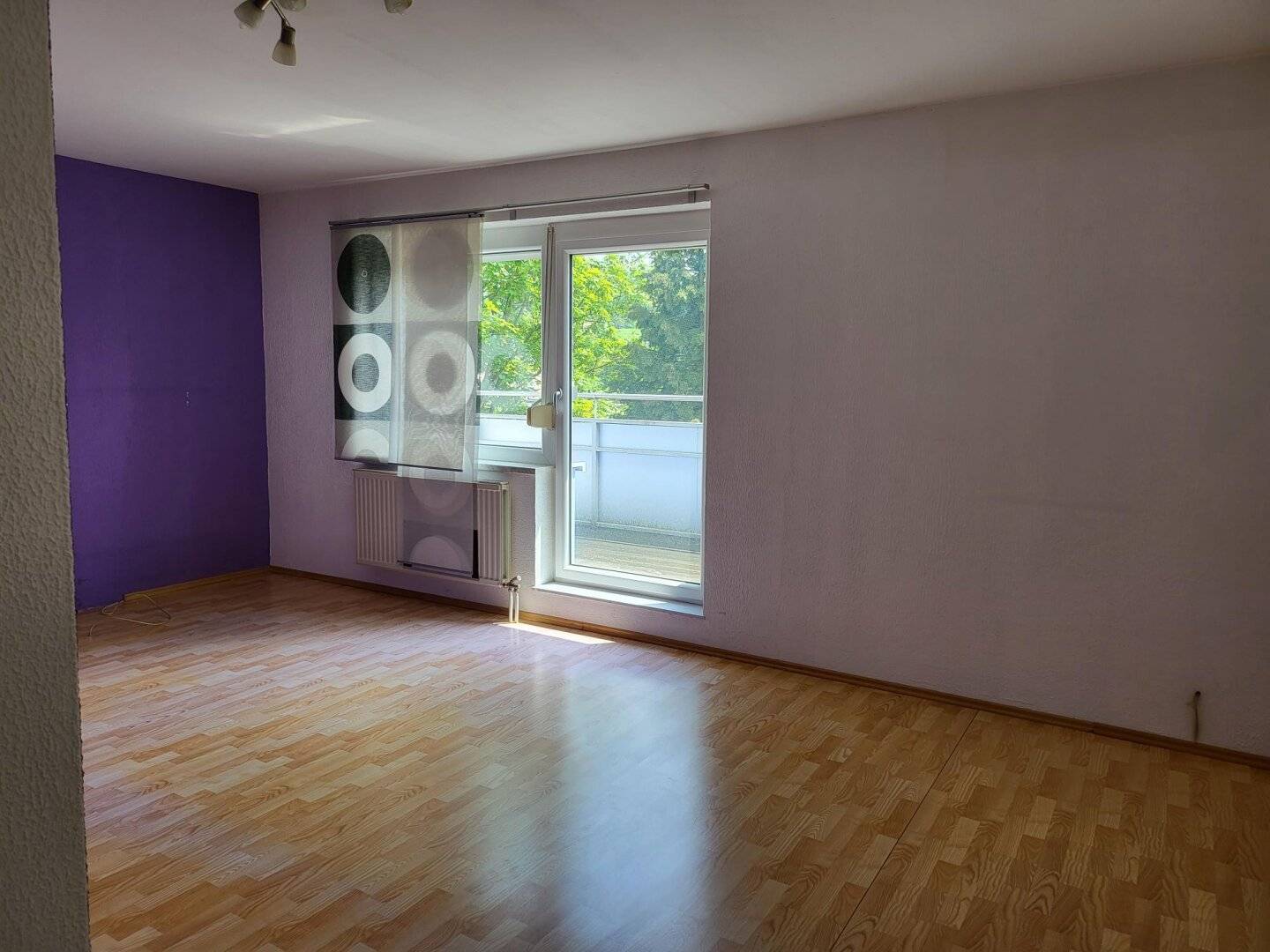
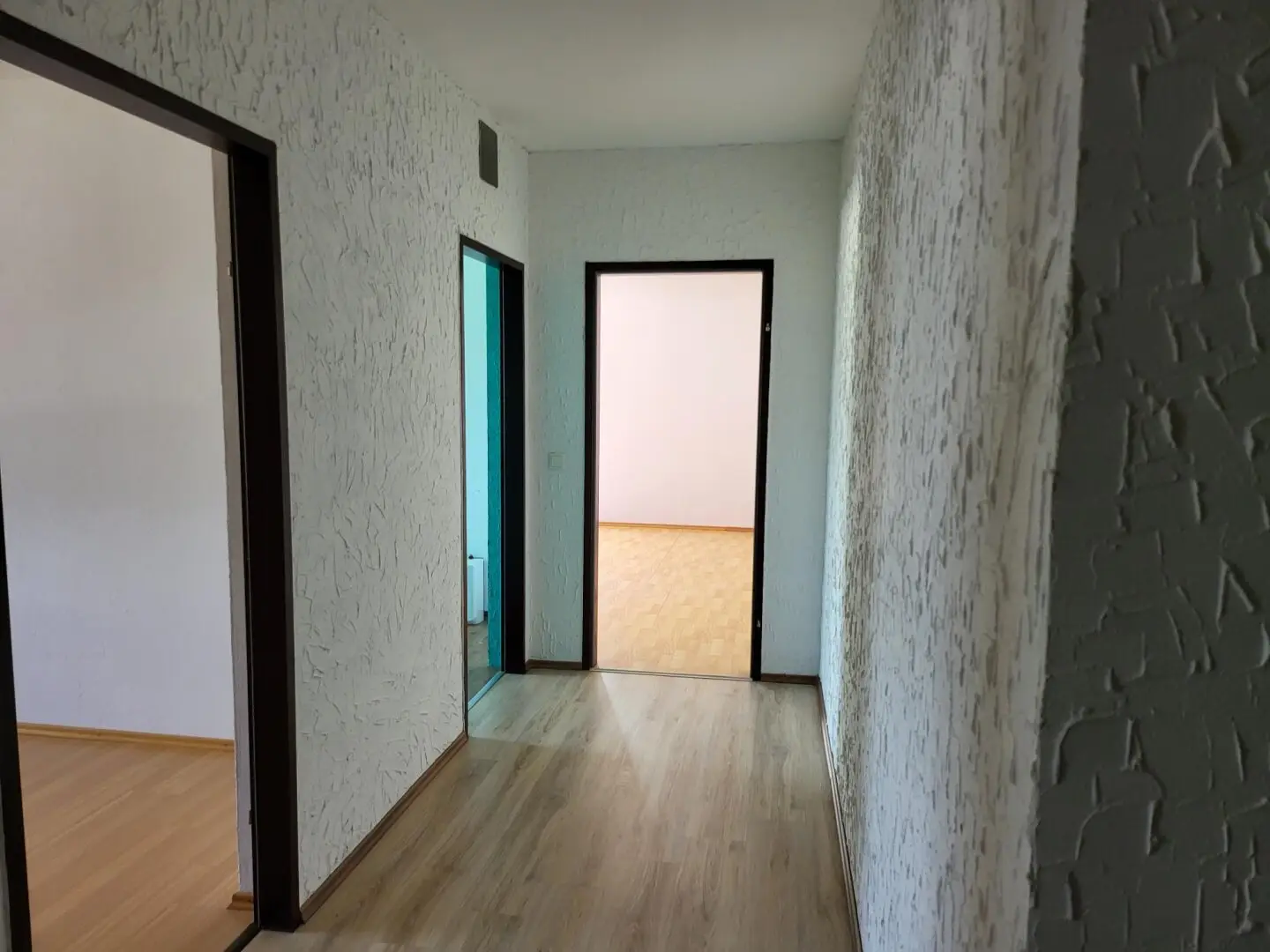
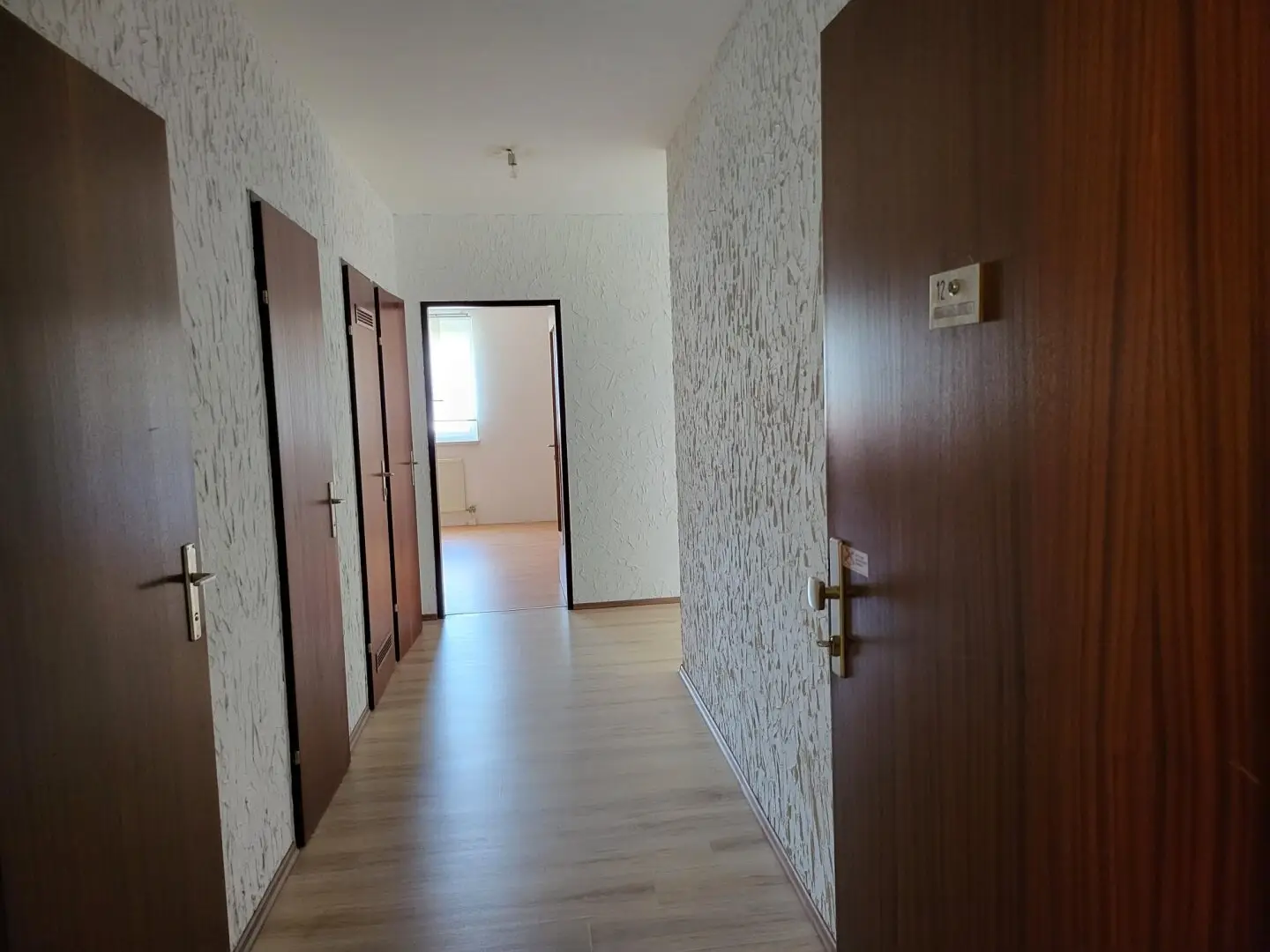
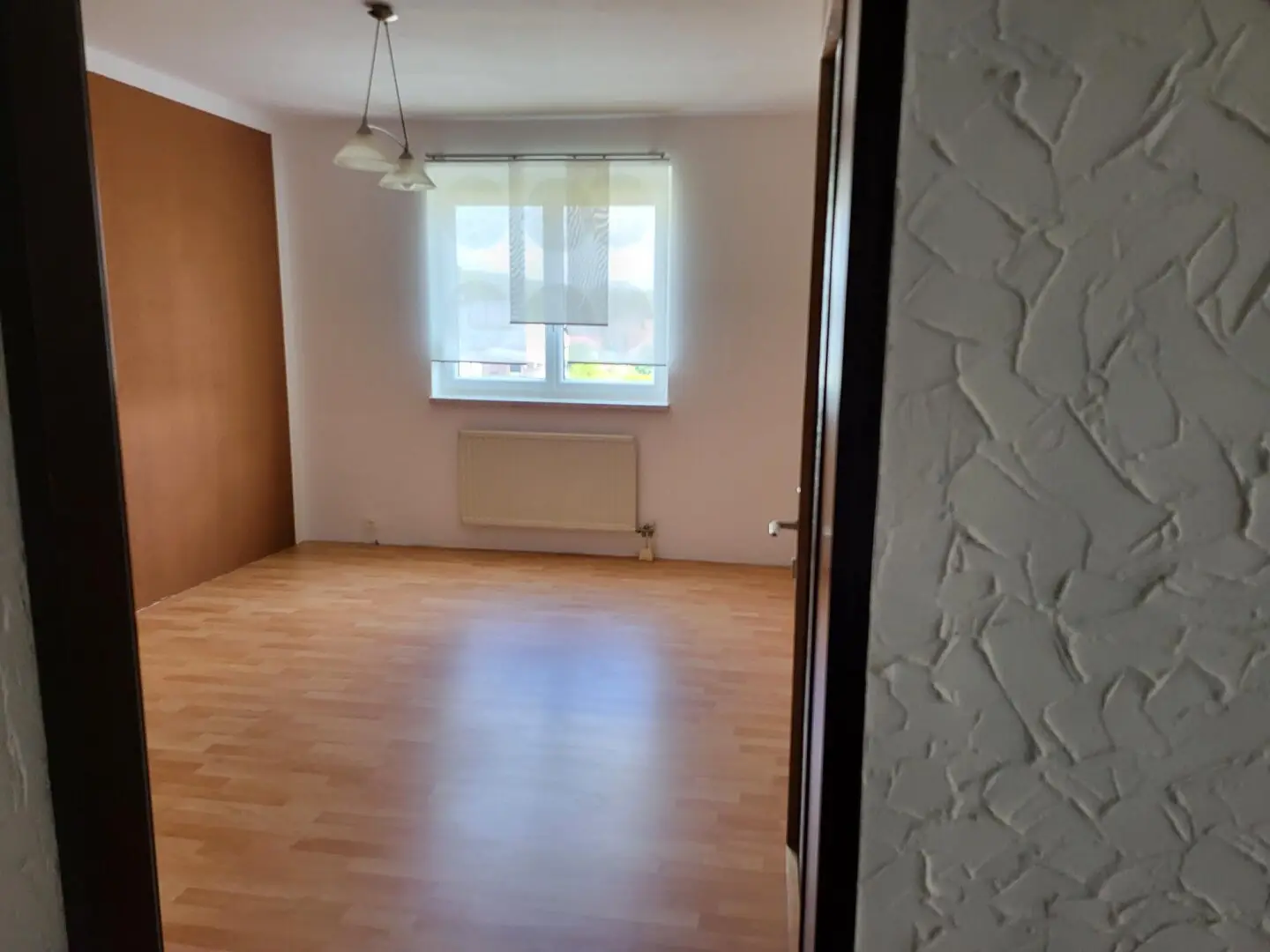
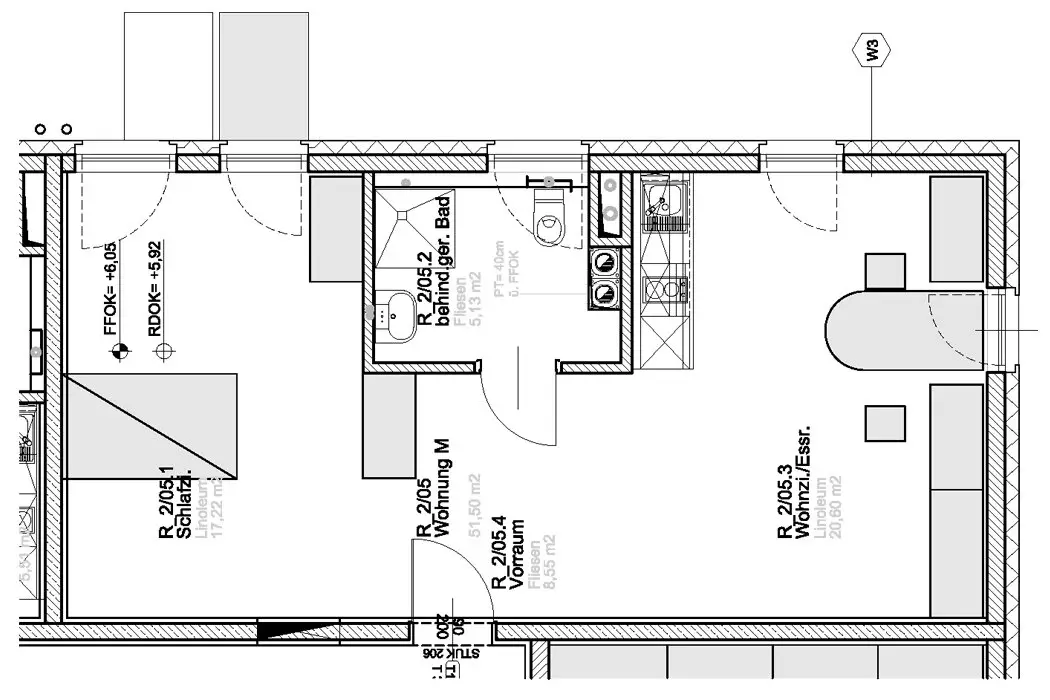
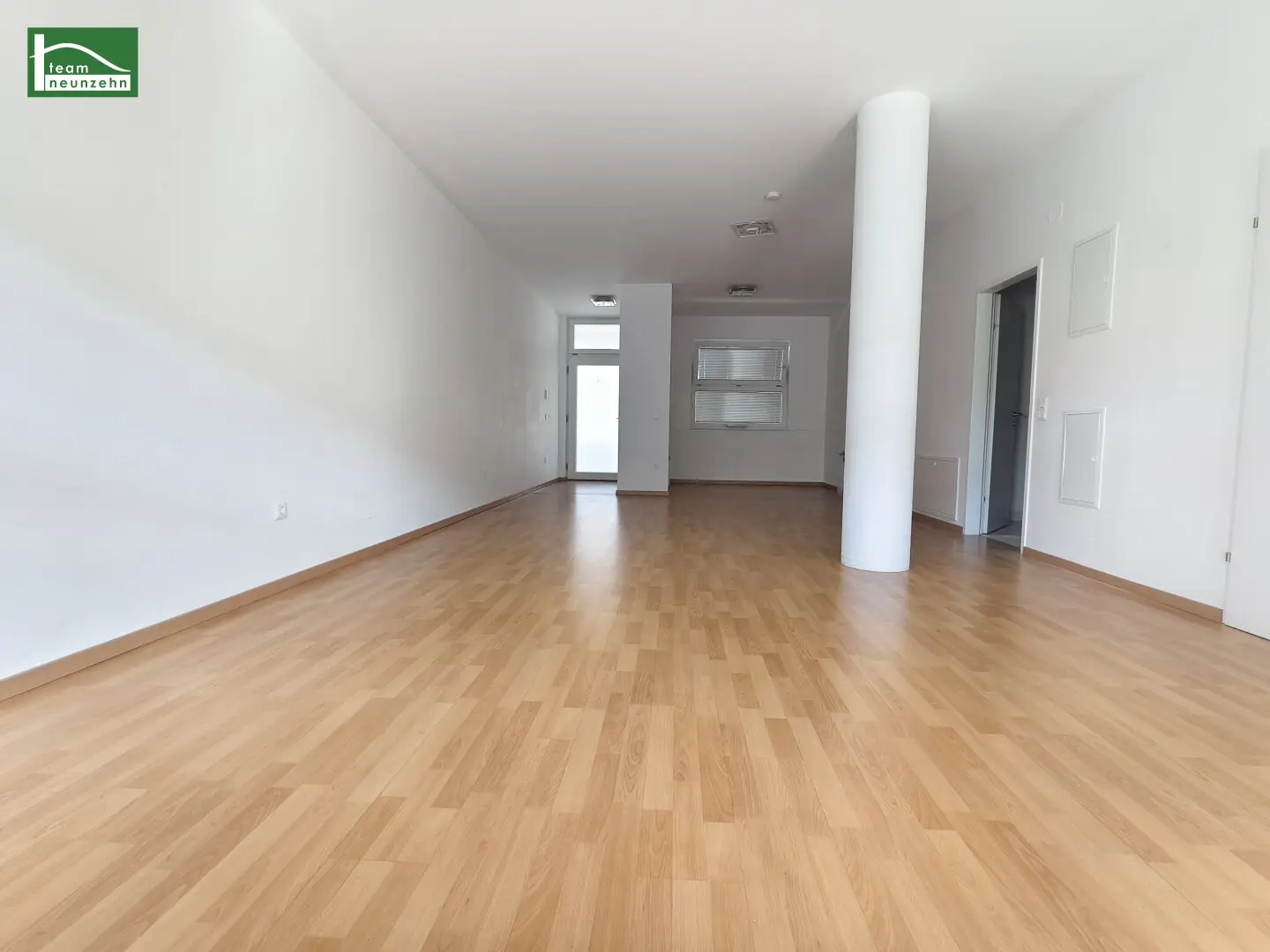
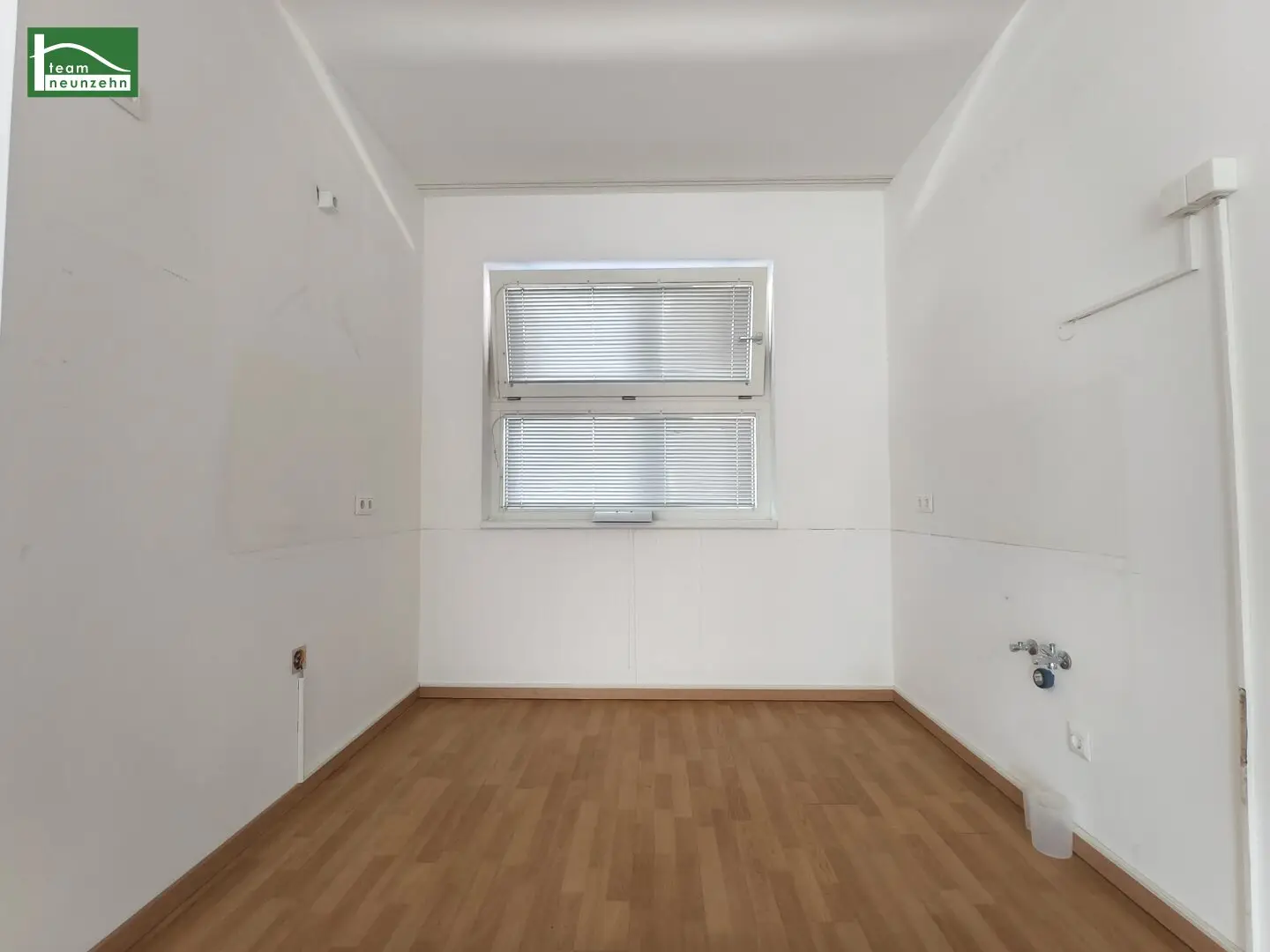
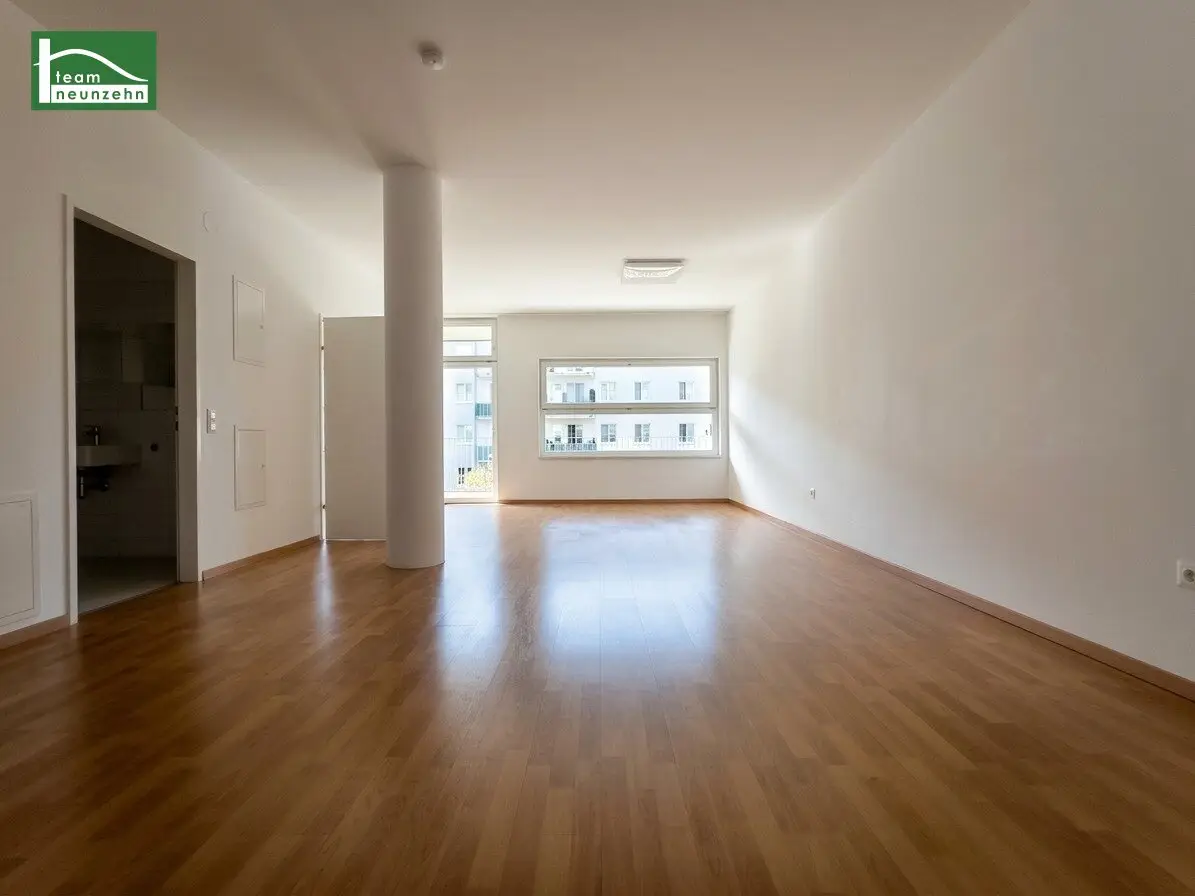
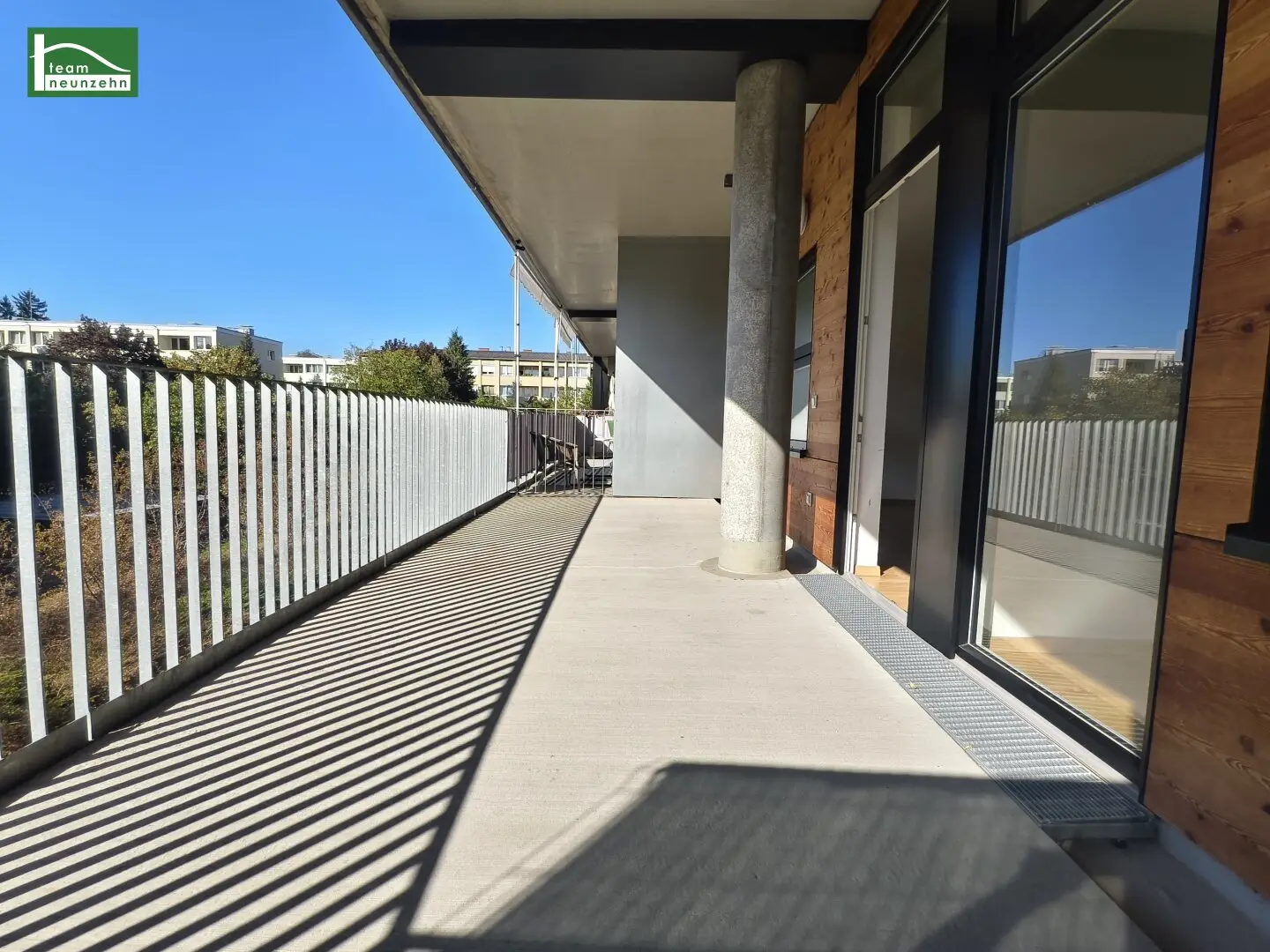
Cooperative apartment for rent
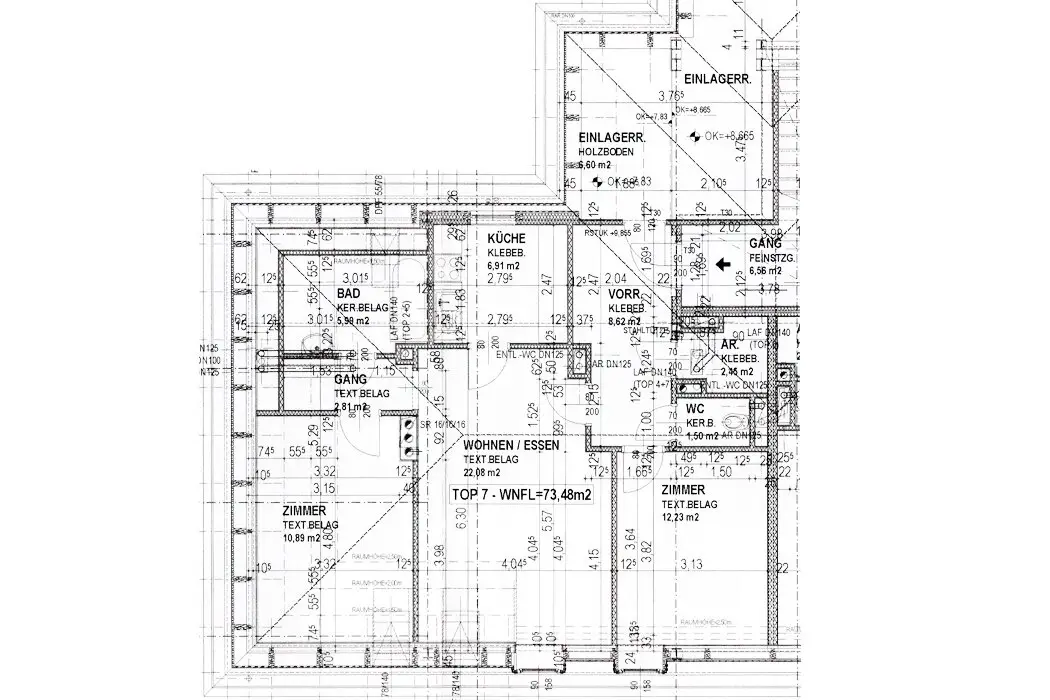
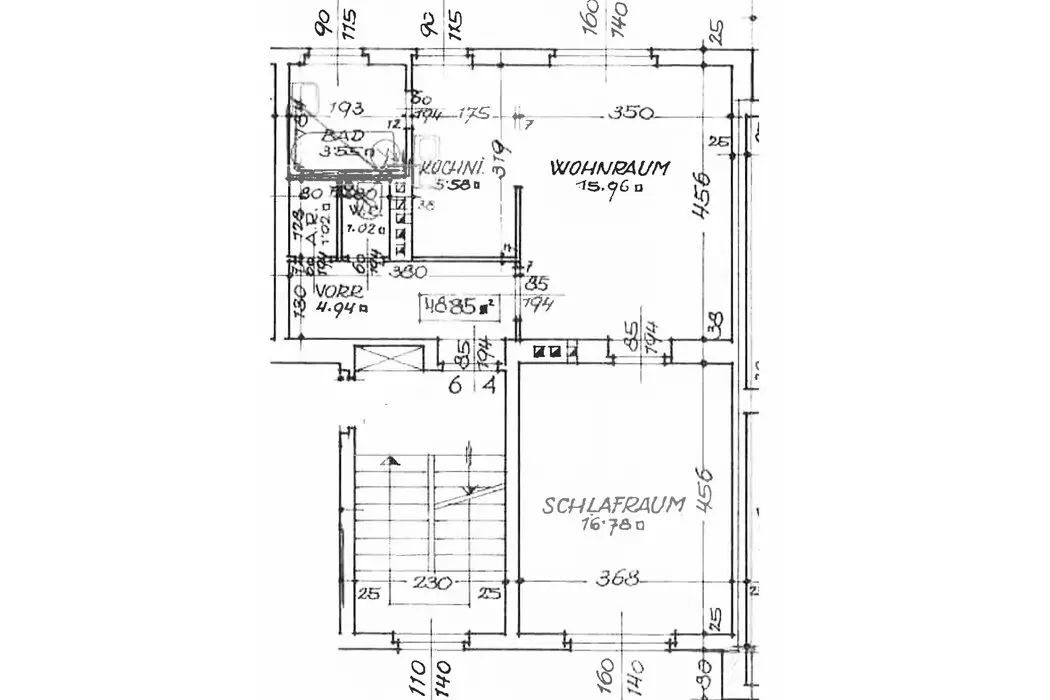
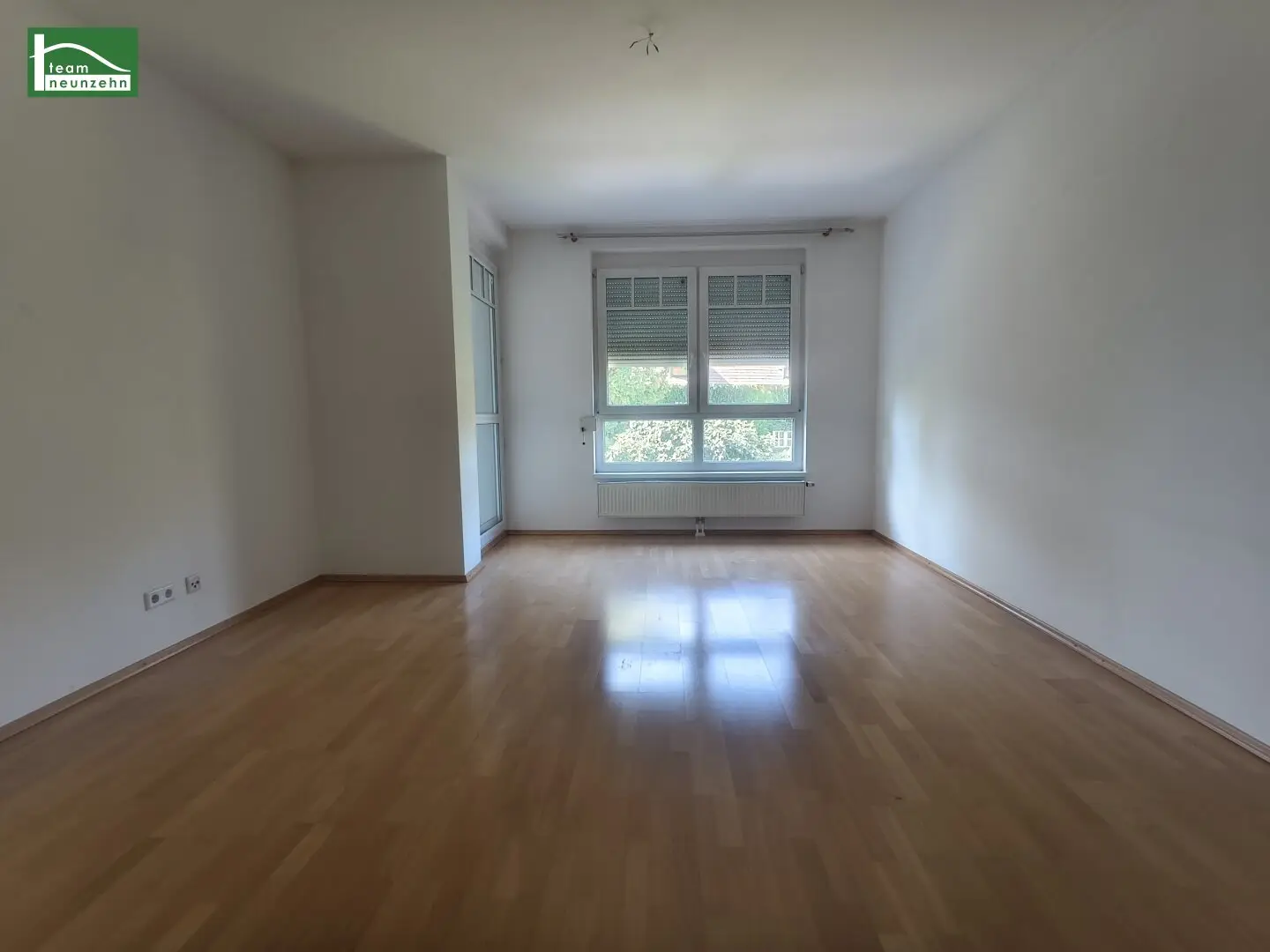
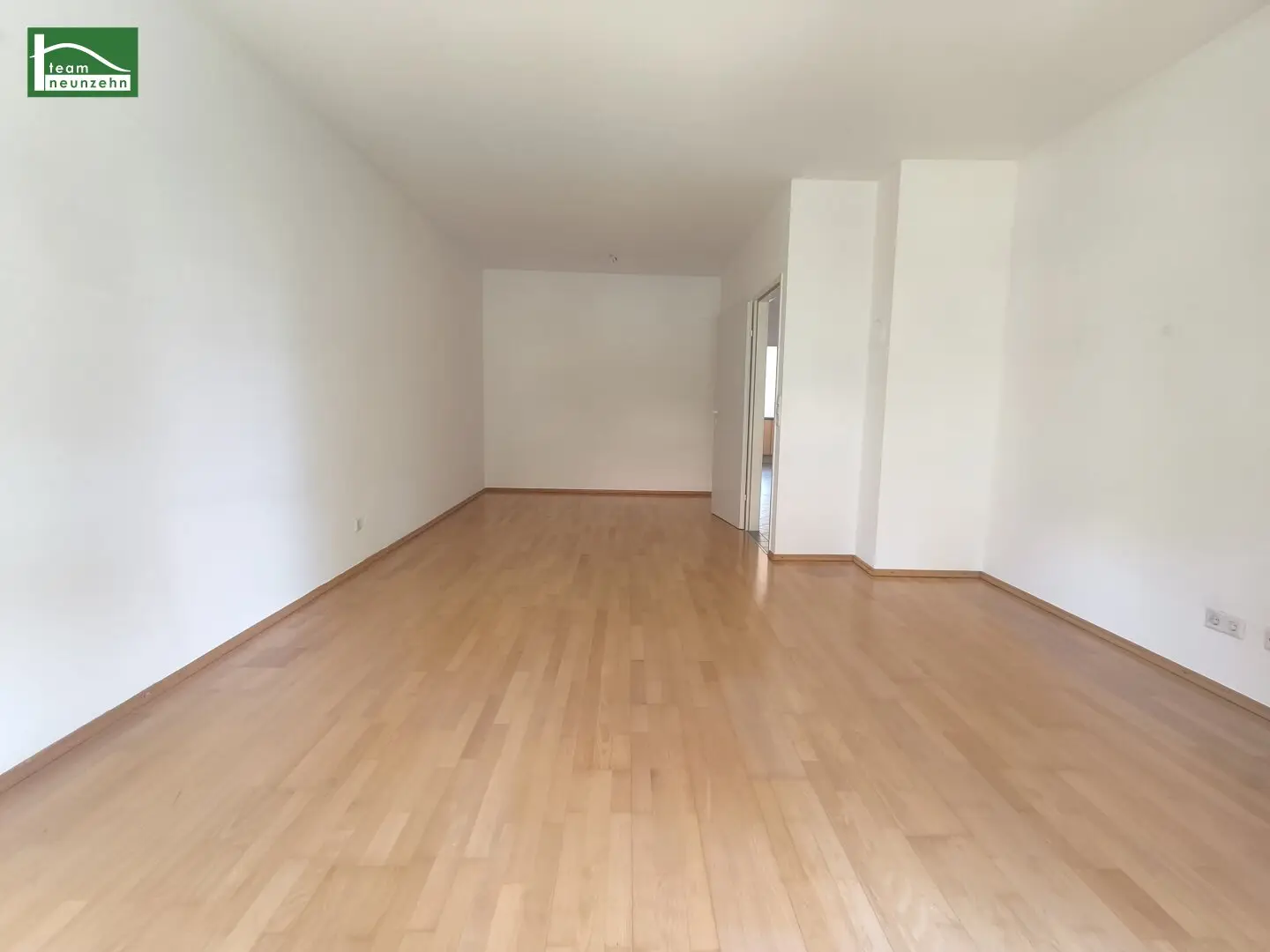
58 m²2 Rooms1 Bath
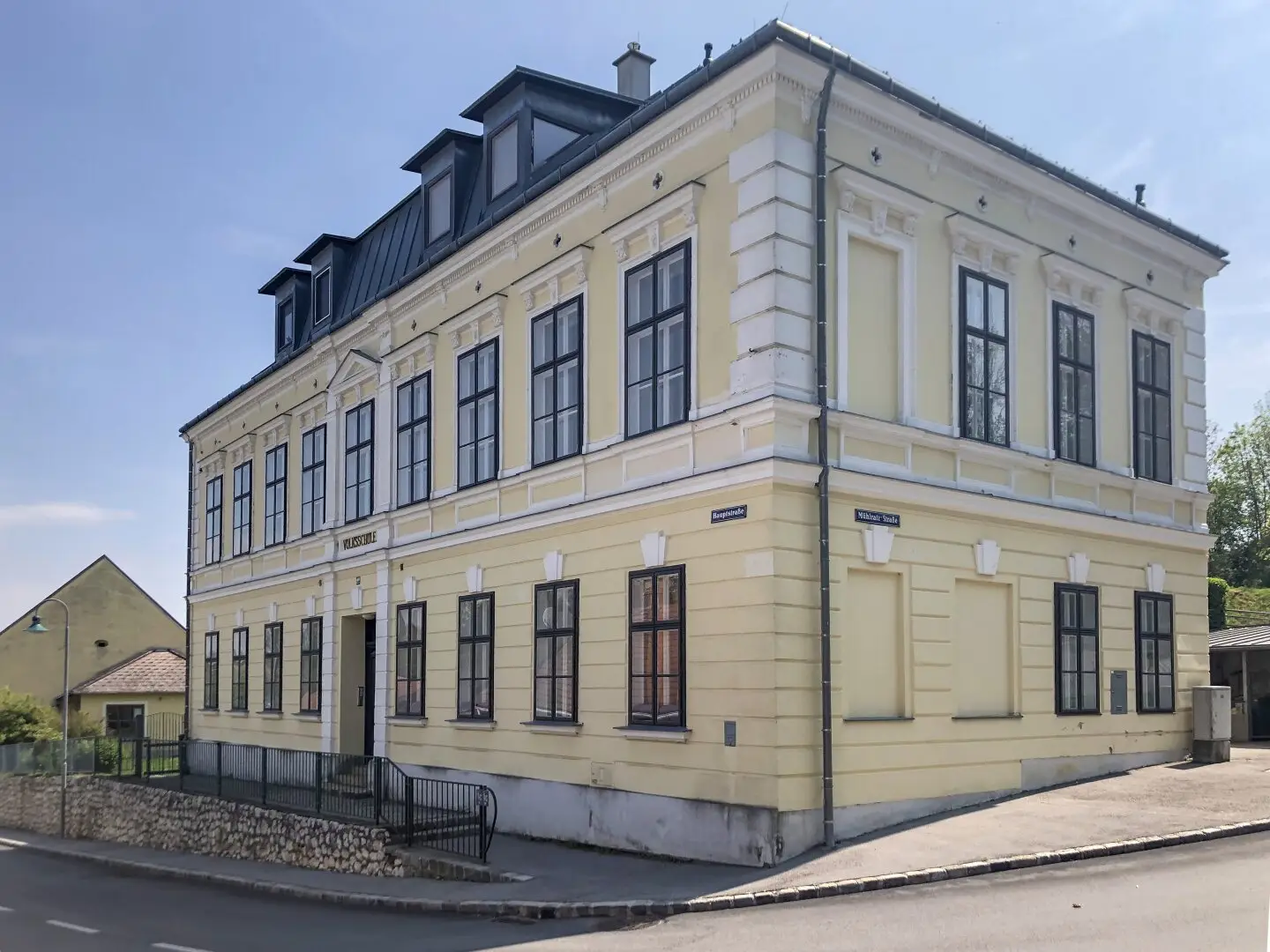
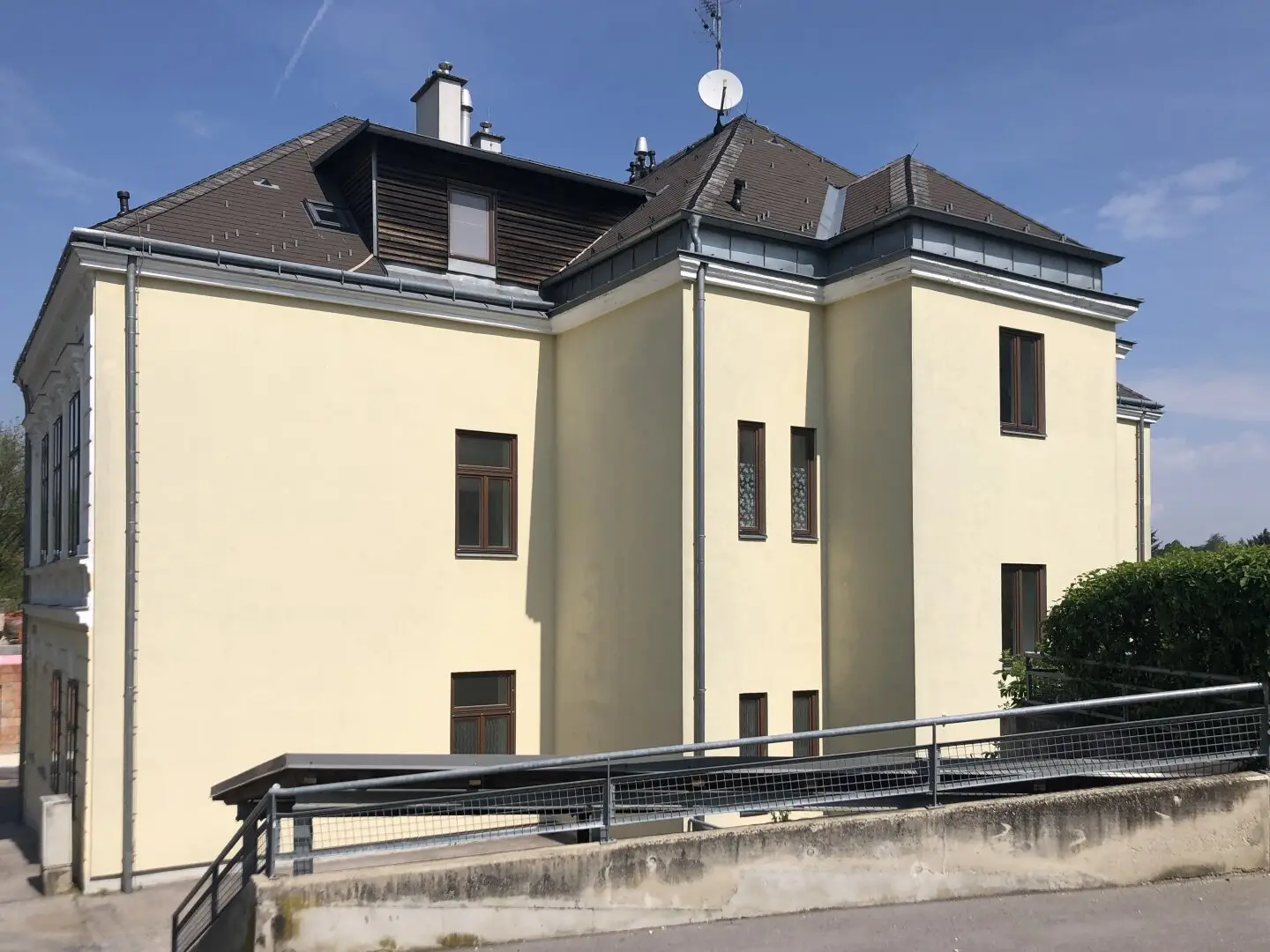
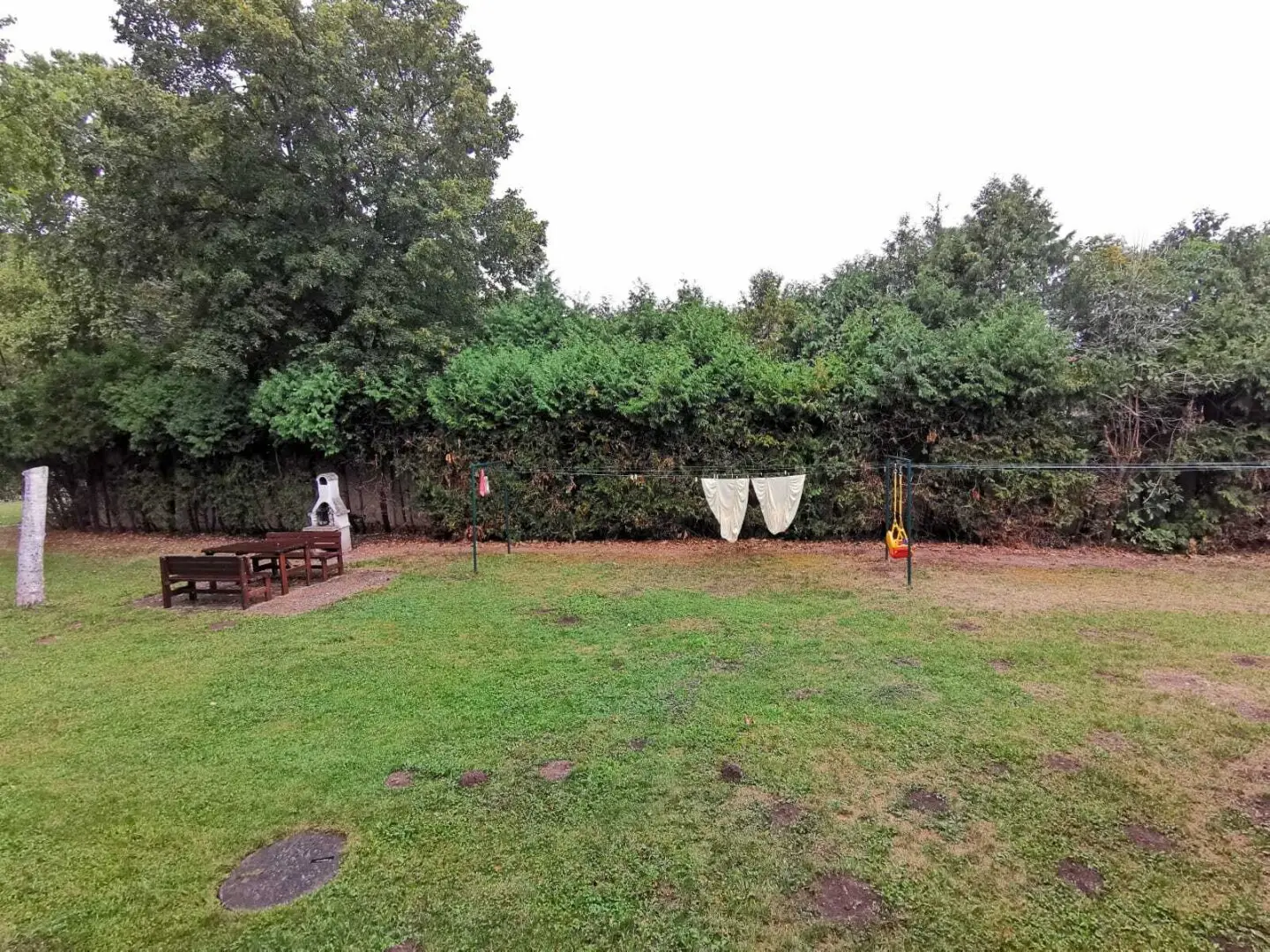
Hauptplatz 12, 2751 Steinabrückl
Cooperative apartment for rent
Hauptplatz 12, 2751 Steinabrückl

Attic apartment for rent
Hauptstraße 49, 2123 Schleinbach
Cooperative apartment for rent
Pernerstorfer Straße 3a, 2700 Wiener Neustadt

Apartment for rent
Anton Benya-Straße 3-7, 2334 Vösendorf

Apartment for rent
Praterstraße 2, 3100 St. Pölten
Cooperative apartment for rent
Schloßplatz 2, 2263 Dürnkrut
Attic apartment for rent
Stadlgasse 4, 2700 Wiener Neustadt
Other apartment for rent
Golfstraße 1, 2821 Lanzenkirchen
Apartment for rent
Schilfgasse 3-5, 2700 Wiener Neustadt

Apartment for rent
Maximilianstraße 74, 3100 St. Pölten
Cooperative apartment for rent
Neidhartstraße 39, 3150 Wilhelmsburg

Apartment for rent
Anzengruberstraße 3, 3150 Wilhelmsburg
Cooperative apartment for rent
Hauergasse 27, 2410 Hainburg an der Donau
Cooperative apartment for rent
Kanice Gasse 1, 2104 Spillern
Apartment for rent
Maximilianstraße 74d, 3100 St. Pölten
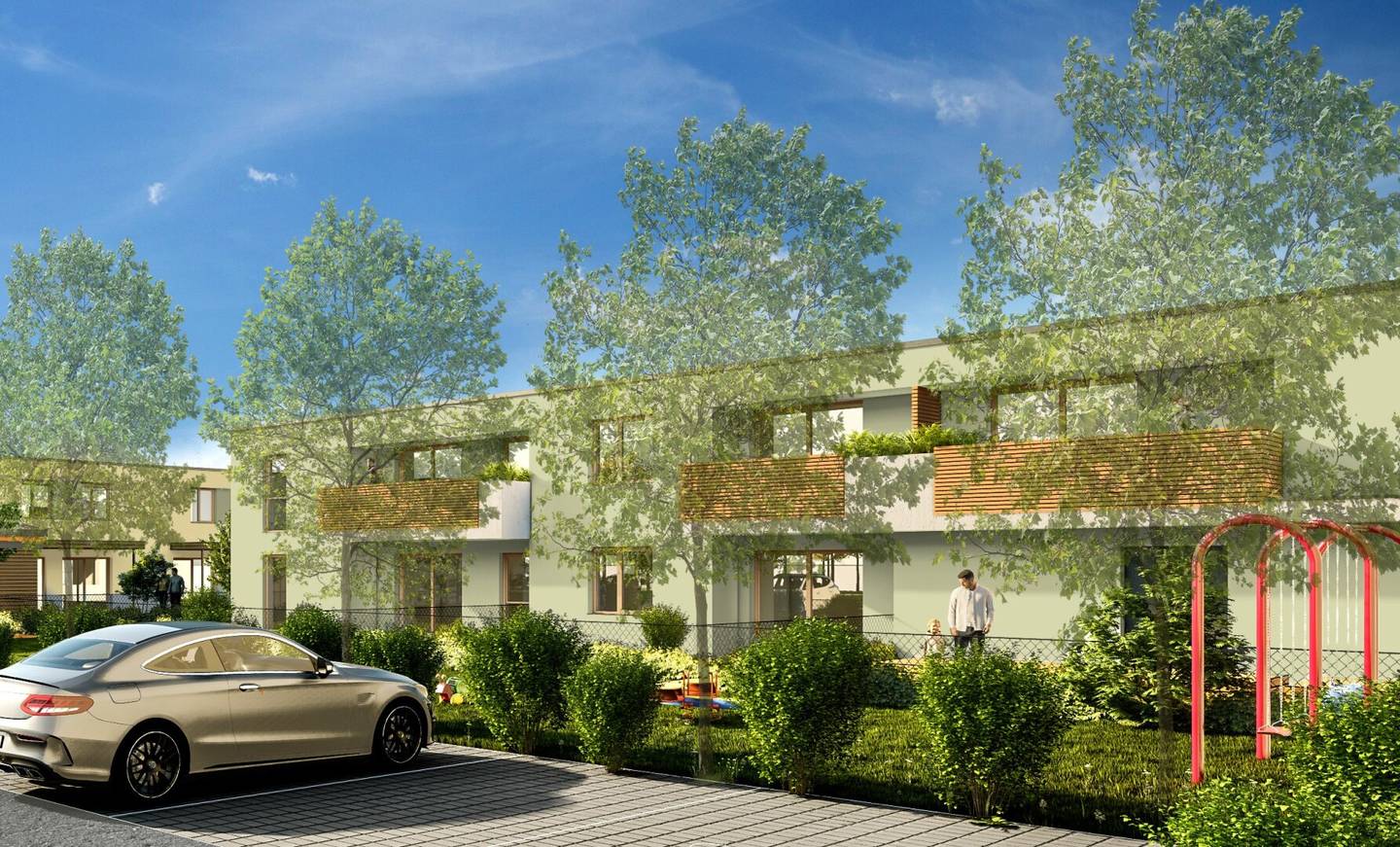
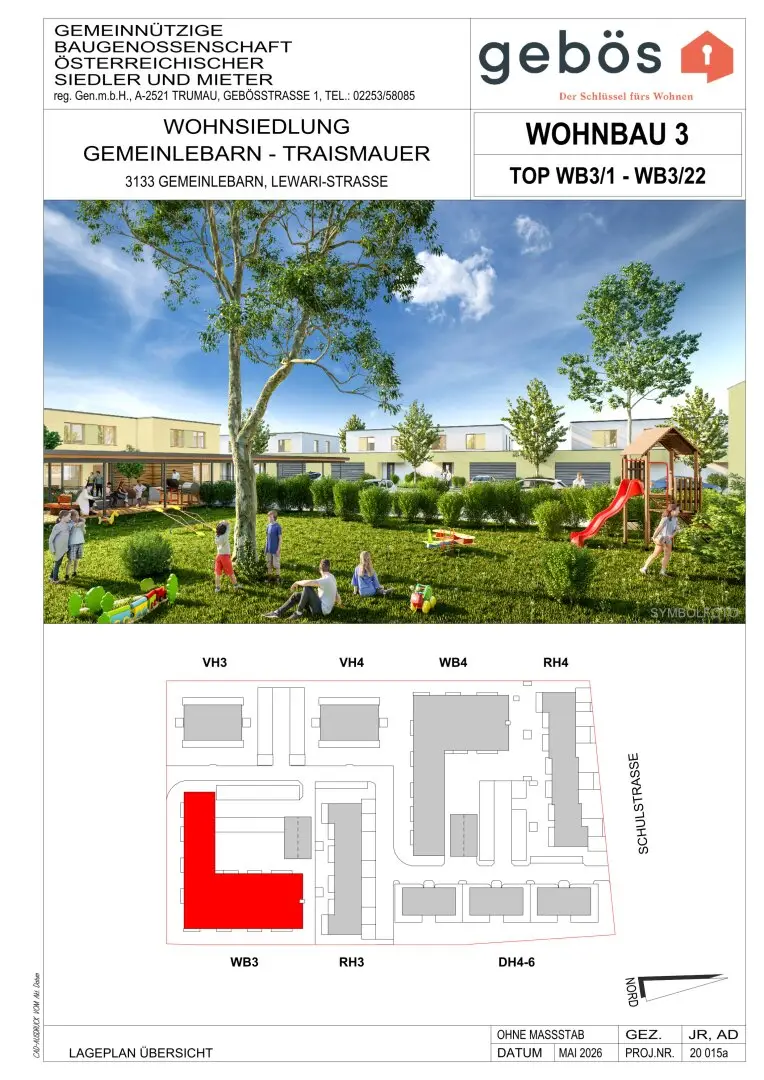
Project Lewari-Straße in 3133 Gemeinlebarn
4 Units

Lewari-Straße, 3133 Gemeinlebarn
Other apartment for rent
Bahngasse 5-7, 2552 Hirtenberg
Apartment for rent
Kremstalstraße 85, 3500 Krems an der Donau
Cooperative apartment for rent
Morigglgasse 20, 2630 Ternitz

Apartment for rent
Eybnerstraße 4, 3100 St. Pölten
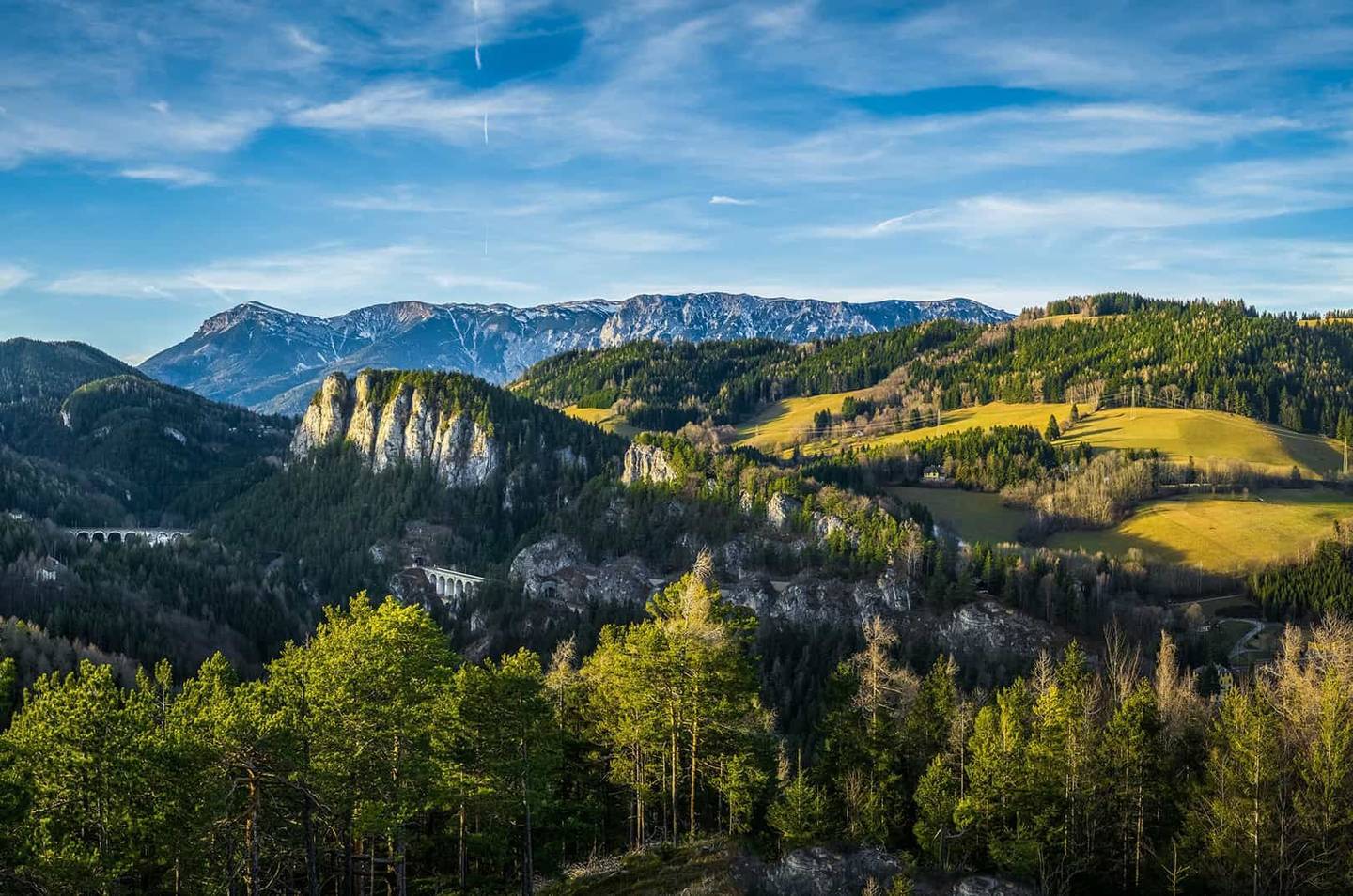
Apartment for rent in Lower Austria | Lystio
Renting an apartment in Lower Austria means securing a new home in one of Austria’s most diverse and livable federal states – with housing options that range from urban centers to quiet rural communities. Renters here benefit from comparatively affordable rents, good infrastructure, and proximity to nature.
Whether in Vienna’s surrounding area, in charming small towns like Mödling or Krems, or in rural regions like the Mostviertel – Lower Austria offers suitable housing options and apartment sizes for every stage of life.
Renting an apartment in Lower Austria means finding a temporary home in Austria’s largest federal state by area. Lower Austria surrounds the capital Vienna and consists of many districts, each with its own charm, from historic towns to quiet rural communities. For singles, couples, and families alike, renting an apartment here is attractive because rent is often more affordable than in the big city.
At the same time, you enjoy a high quality of life: Lower Austria offers both urban infrastructure in places like Wiener Neustadt or Krems an der Donau and nature-oriented living in the Waldviertel or Mostviertel.
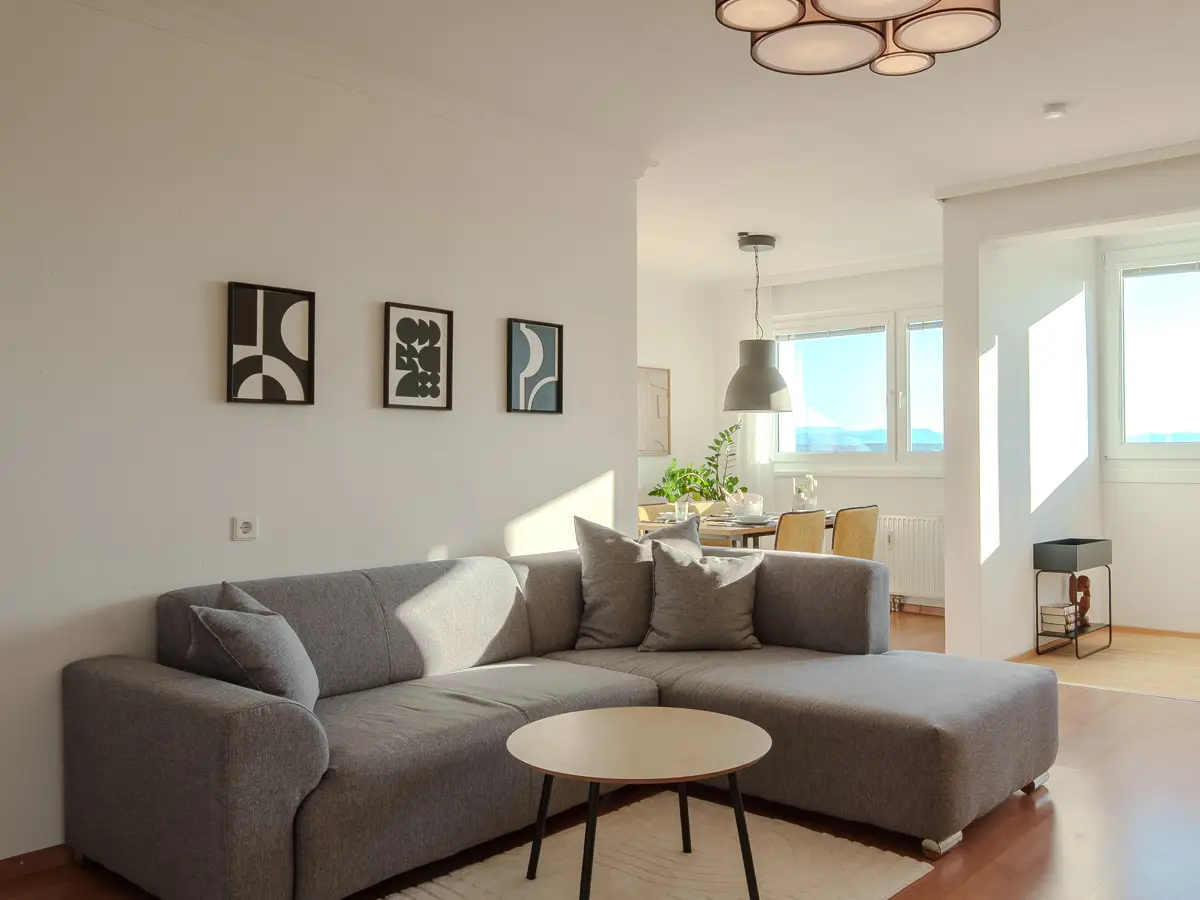
Rental apartments in Lower Austria impress with varied features. A new-build apartment in particular scores with modern comforts: an elevator in the building, underground parking for the car, and an efficient layout are often standard today. Open-plan kitchen concepts connect living and dining areas to create a generous sense of space.
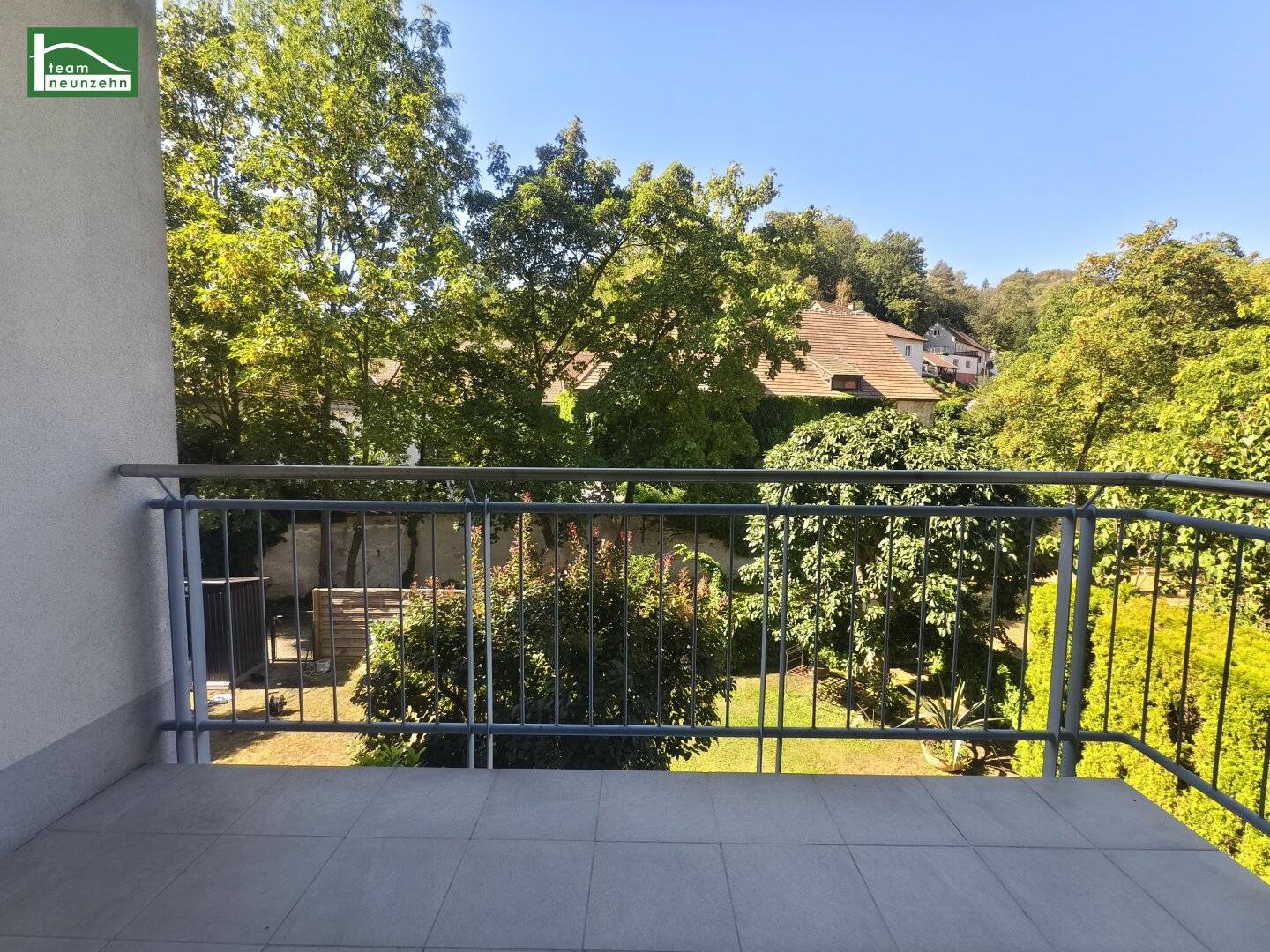
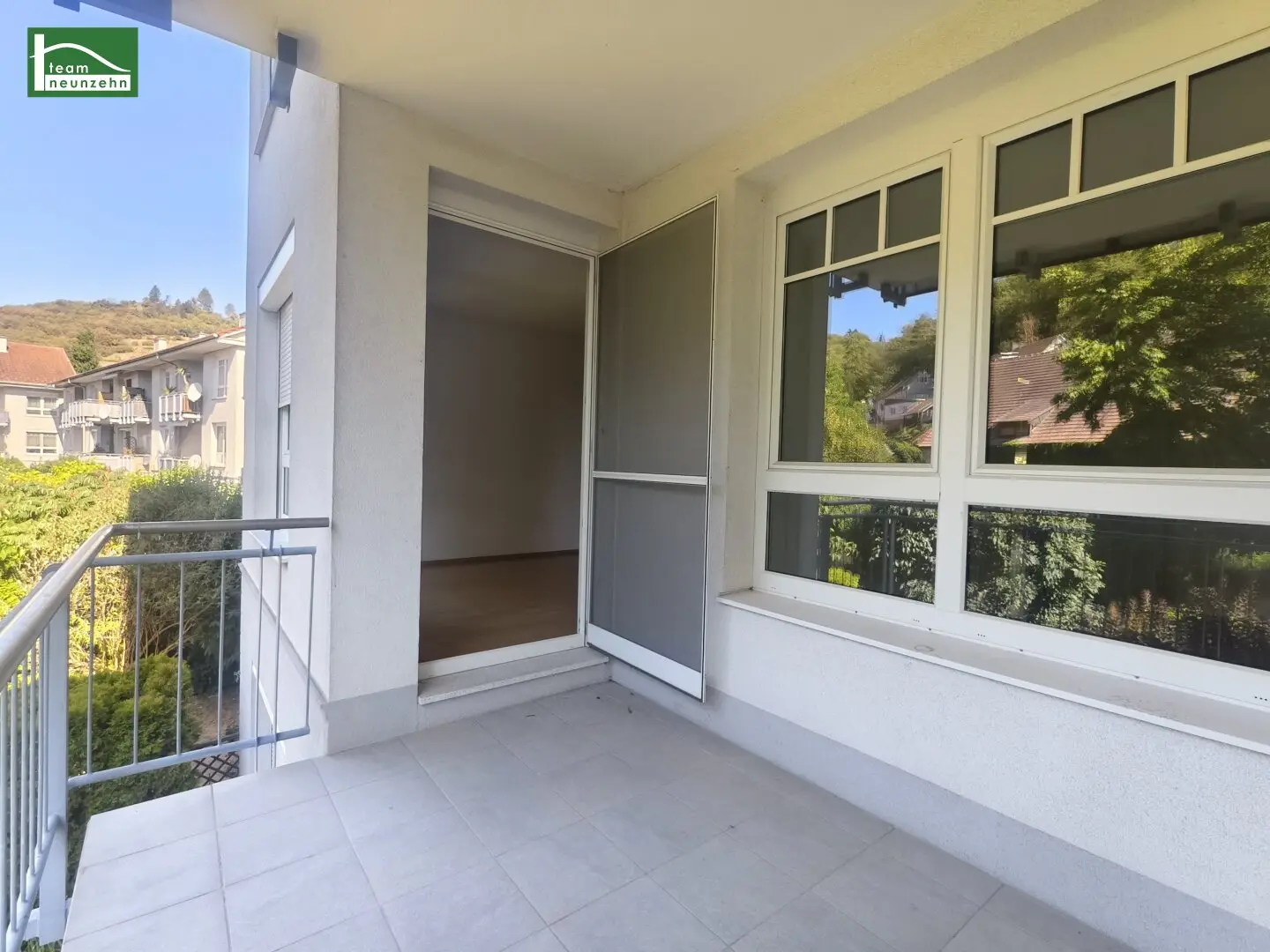
Many apartments have outdoor areas such as a balcony, terrace, or even a small garden. Alternatively, there are glazed loggia balconies that offer a pleasant view of greenery or the courtyard.
In classic old-building properties (Altbau), you encounter high ceilings and special charm. Typical room layouts here often include a living room, bedroom, bathroom with bathtub, separate WC, and a spacious entrance hall.
Practical extras like storage rooms or cellar compartments provide additional storage space. The living area or usable living space is given in square meters and ranges depending on apartment size from compact single studios to spacious family apartments. So there is something for every need, from a 30 m² studio to a 100 m² apartment.
In cooperative apartments or special projects, there is sometimes a rent-with-purchase option where you can buy the apartment after a few years of renting – an aspect that occurs more frequently in Lower Austria’s housing development.
Lower Austria offers a wide variety of locations and apartment types. In the town centers of district capitals, e.g., in Wiener Neustadt, Mödling, or Neunkirchen, you will find modern rental apartments in multi-unit buildings, sometimes even in newly constructed projects.
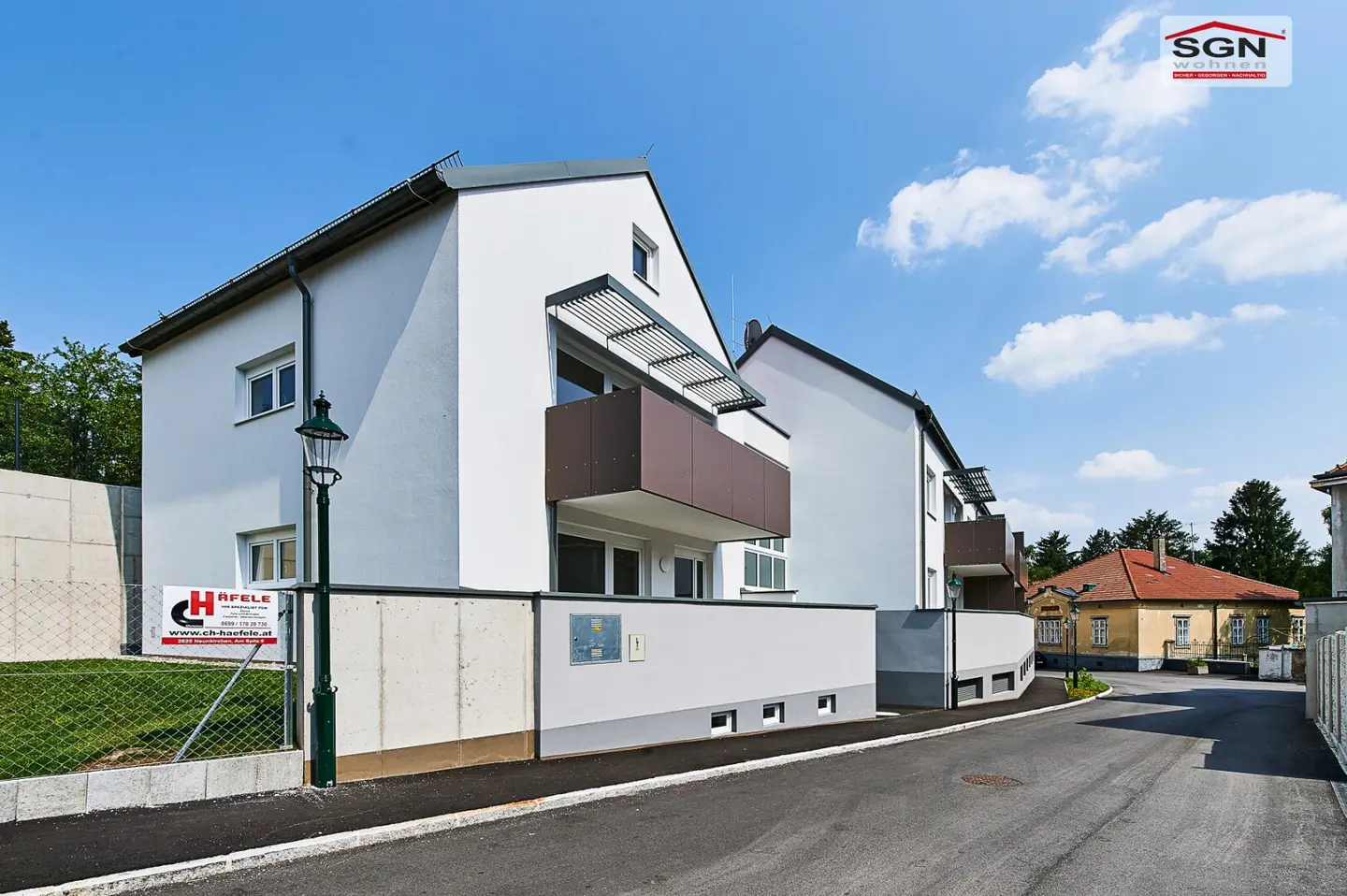
These new builds offer a broad spectrum from a 2-room apartment for young couples to a spacious family apartment, often with a balcony or private garden and all amenities like underground parking.
In historic town centers, however, old apartments (Altbau) predominate. Here you might live in a pedestrian area with special flair and enjoy the ambience of older buildings without having to sacrifice modern living comfort.
Away from the cities lie rural regions with their own charm. Wieselburg or Schwechat, as smaller towns, offer a mix of urban infrastructure and nature-oriented living.
In villages and rural communities, such as Alland in the Vienna Woods or Loich in the Mostviertel, you can find apartments in two-family houses or converted farmhouses – ideal for those seeking peace in the countryside.
Rents depend heavily on location and apartment size and are usually around approximately €10–13/m², while very inexpensive regions can also be under €9/m². Rent is higher in towns and in Vienna’s surrounding area, and significantly cheaper in rural districts. It is important to pay attention to the total rent, as this, in addition to the base rent, also includes costs such as operating costs and sometimes heating.
A 2-room apartment is ideal for singles, couples, and commuters, as it offers enough space for everyday life, guests, or a small home office. In Lower Austria, this apartment size is particularly in demand because it is practical, affordable, and easy to maintain, while families usually opt for larger units.
Rent with a purchase option allows you to rent an apartment initially and later buy it at a predetermined time, with part of the rent payments or a financing contribution being credited toward the purchase price. This model is especially common with non-profit developers in Lower Austria.
The easiest way is to search via real estate portals like Lystio, where you can filter specifically by location, apartment size, number of rooms, or features. Agents or regional rental ads also help. During viewings, pay special attention to condition, features, total rent, and rental terms.
Customer support and general inquiries. Replies within one business day.
For agents, real estate companies, or technology partners
© 2024-2026 Lystio GmbH, All rights reserved
1,792 apartments for rent in Lower Austria. Compare districts, property types and states.