Andreas Fischer
Immobilien Huber


4 d ago
875€/month
11€/m²
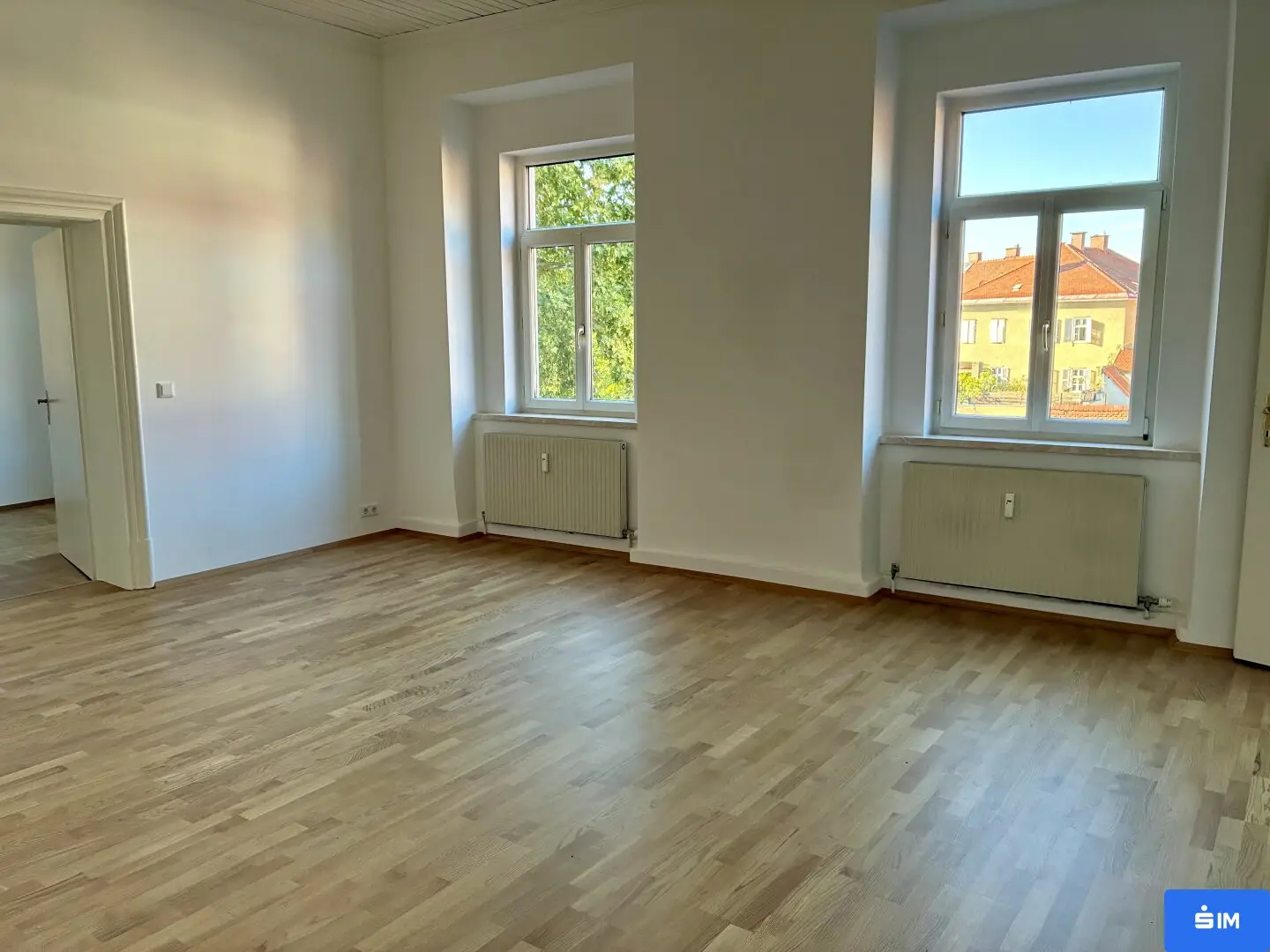
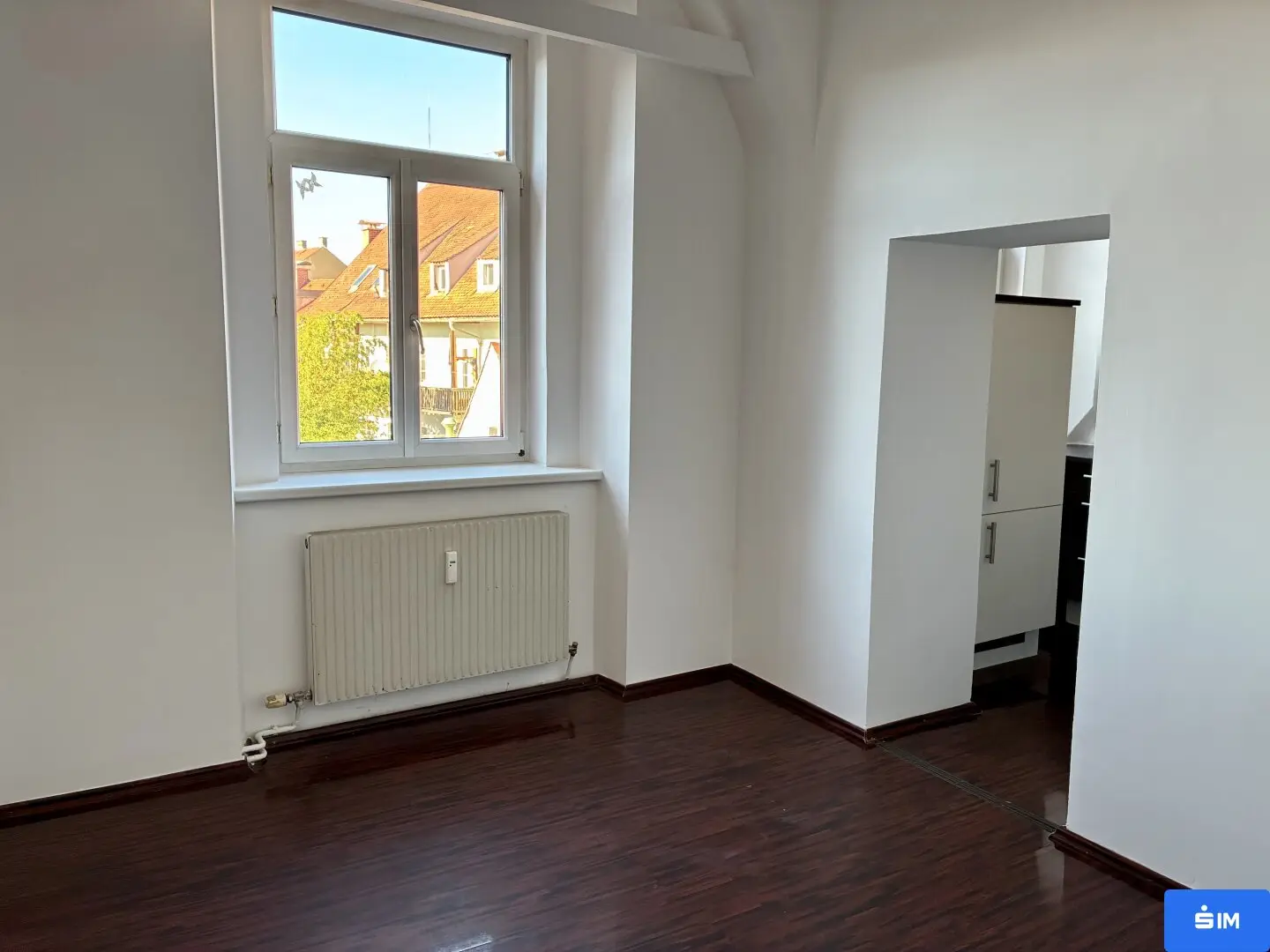
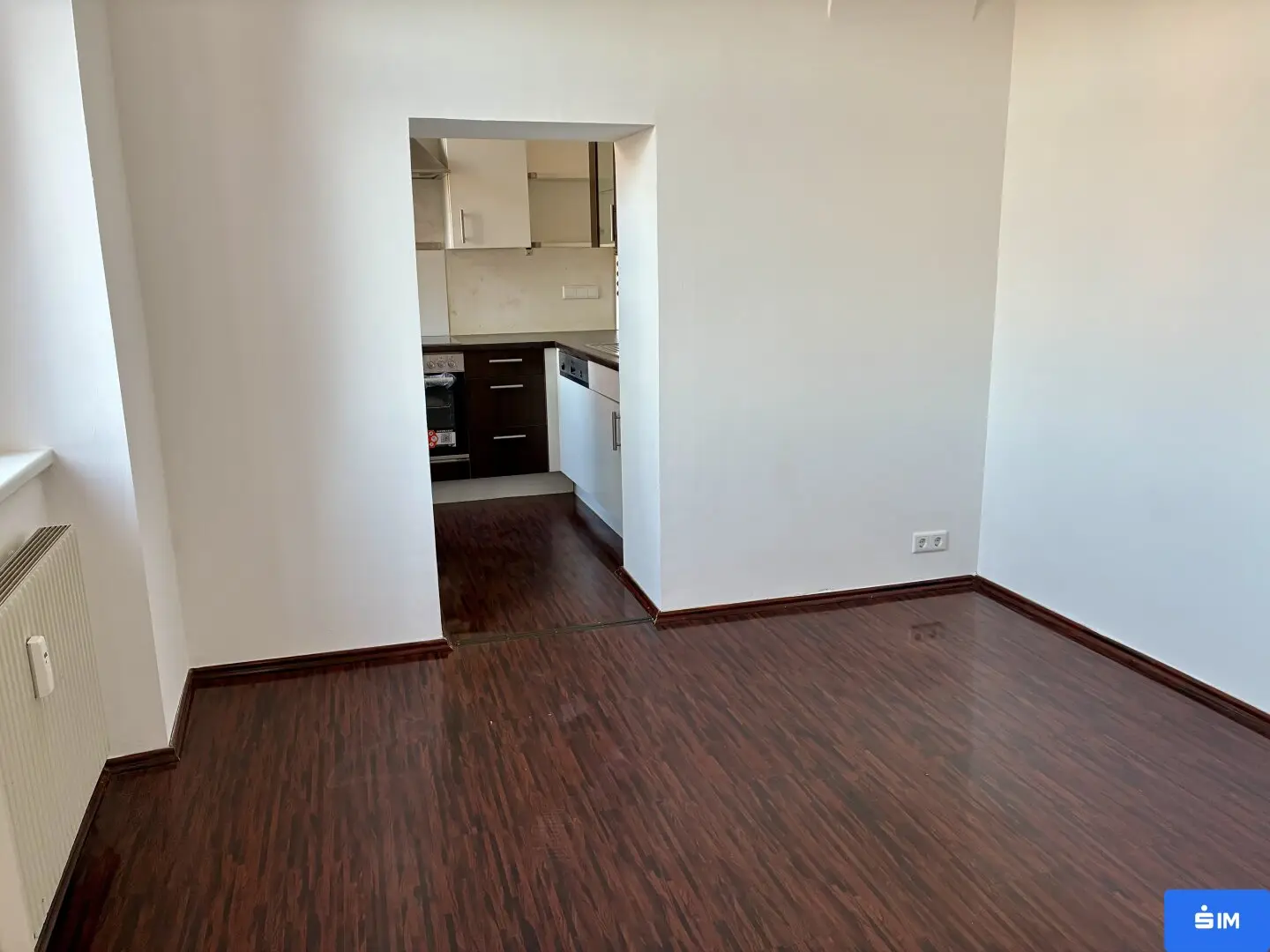
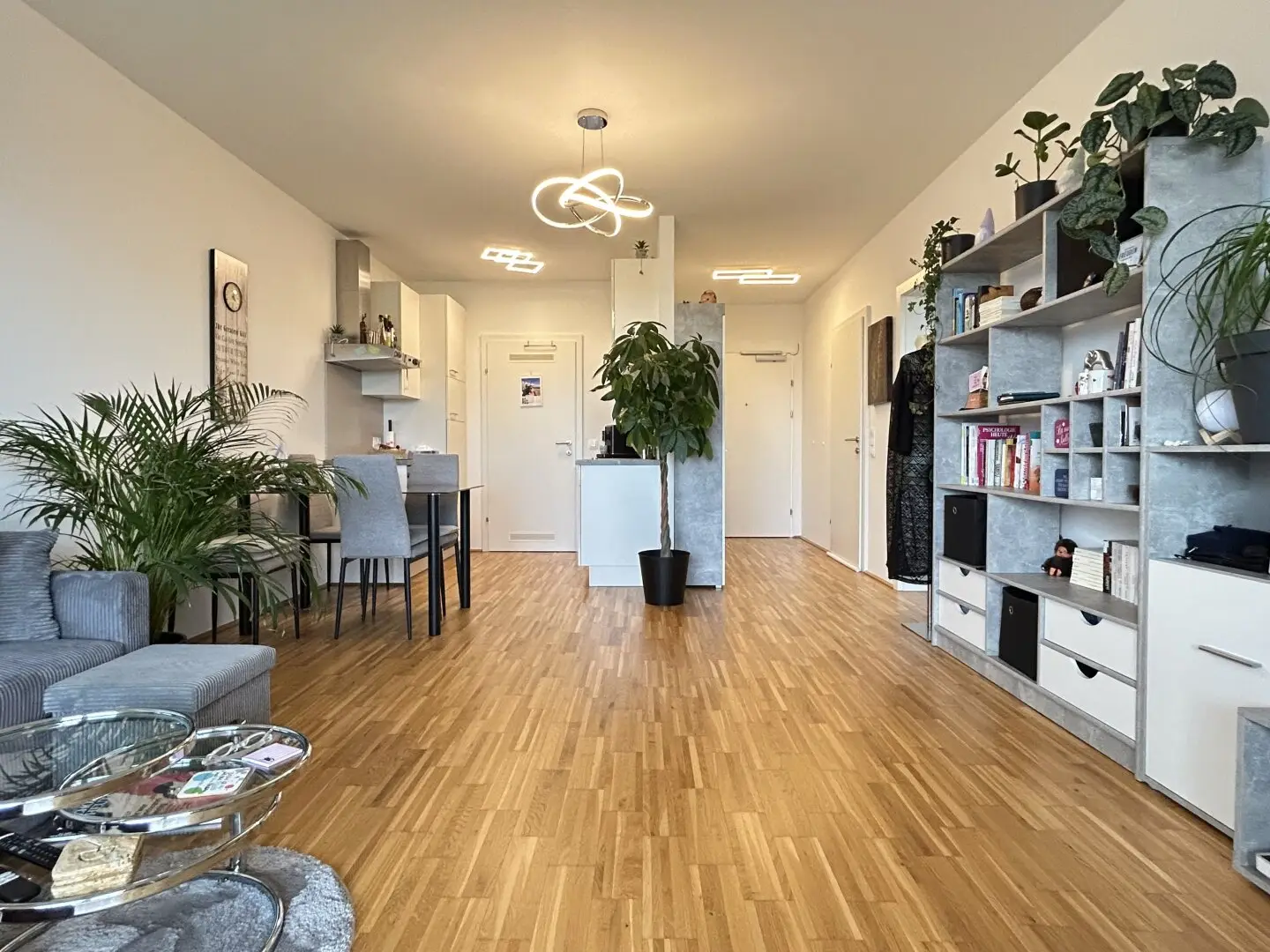
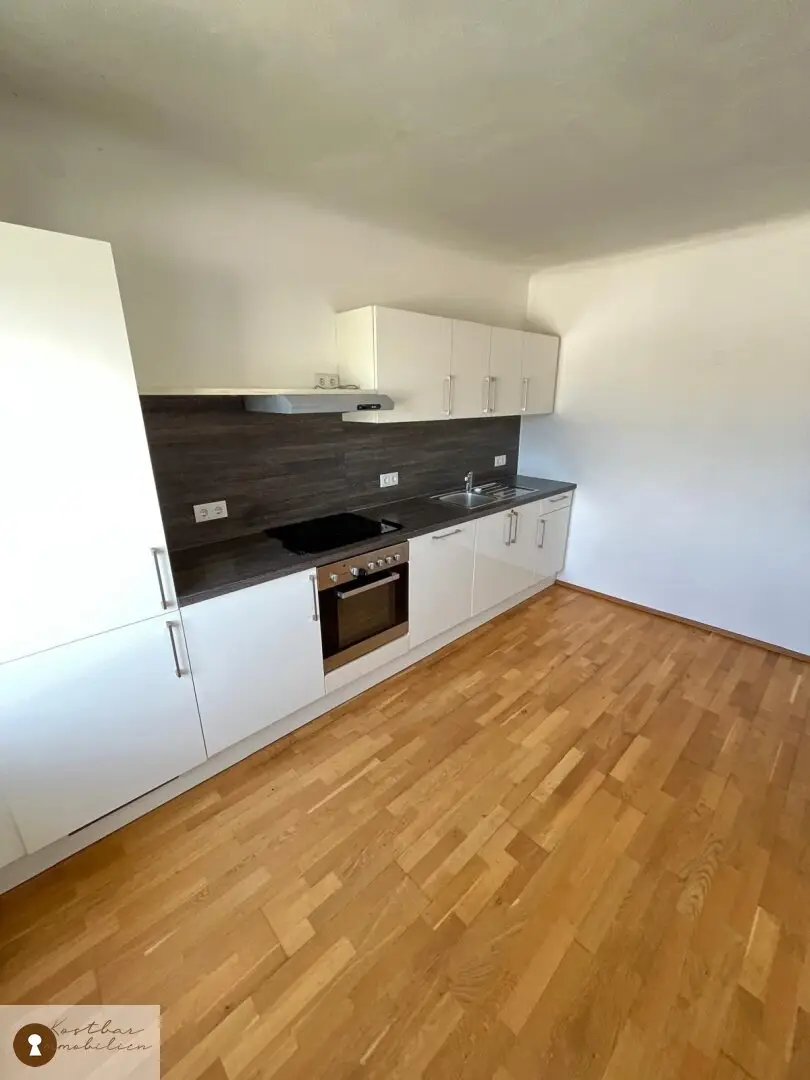
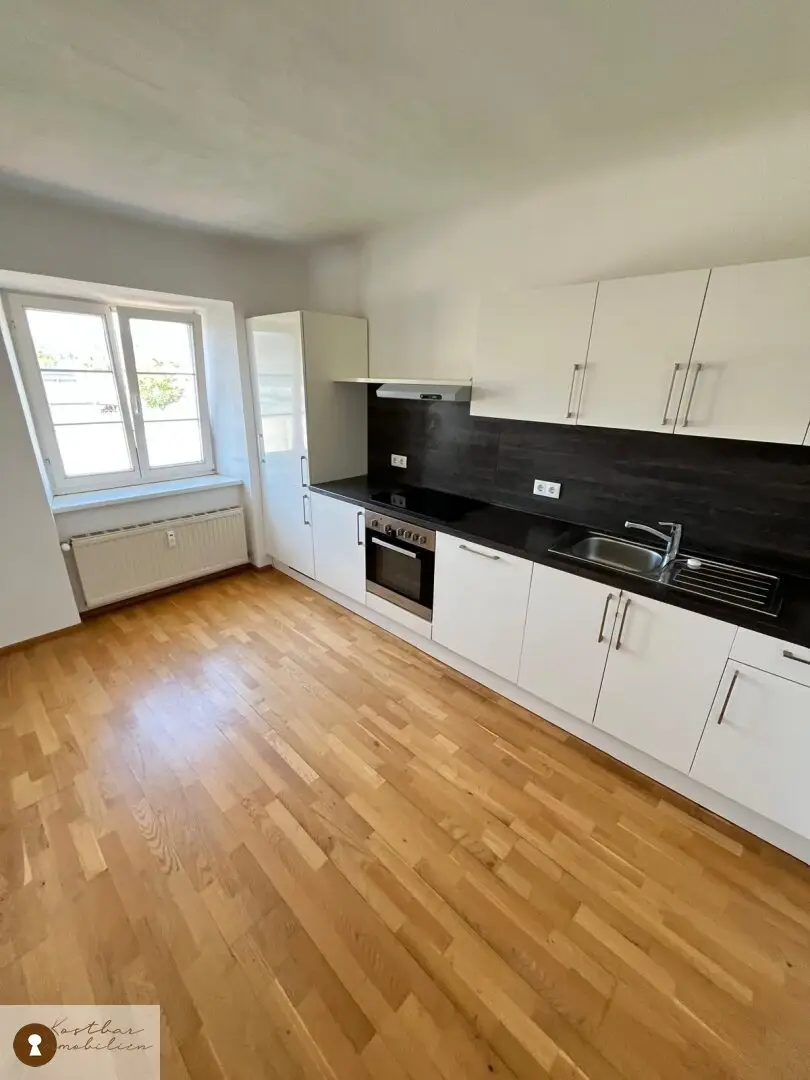
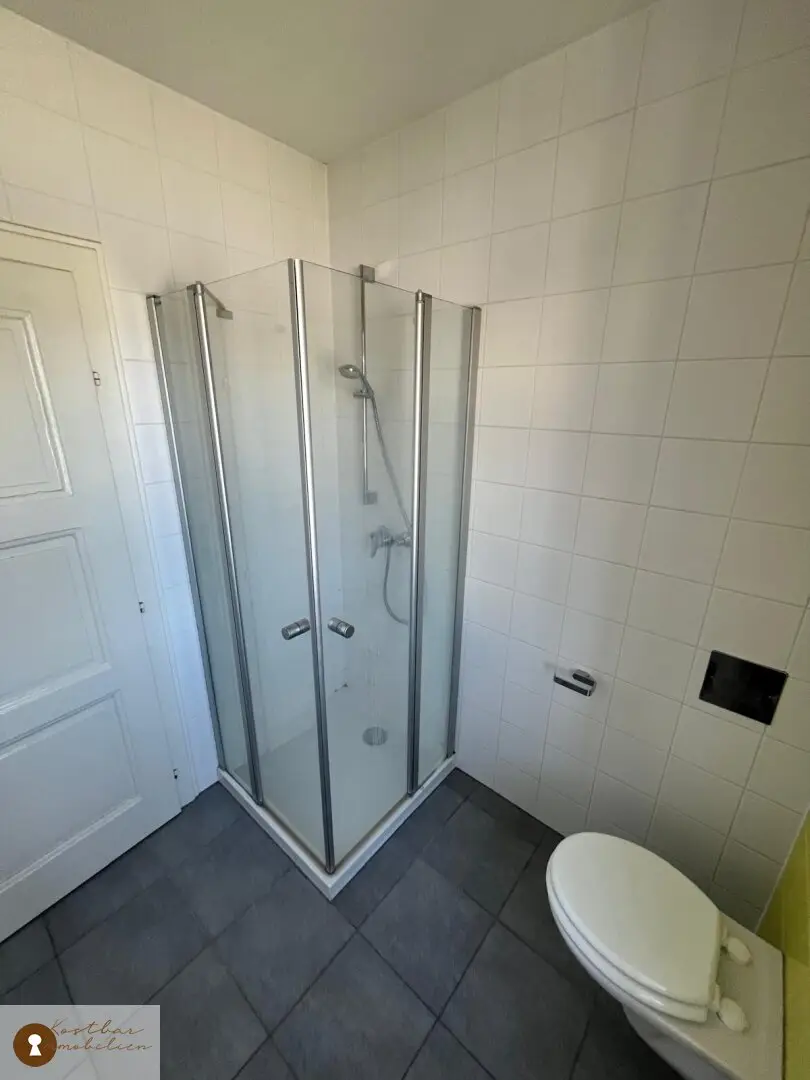
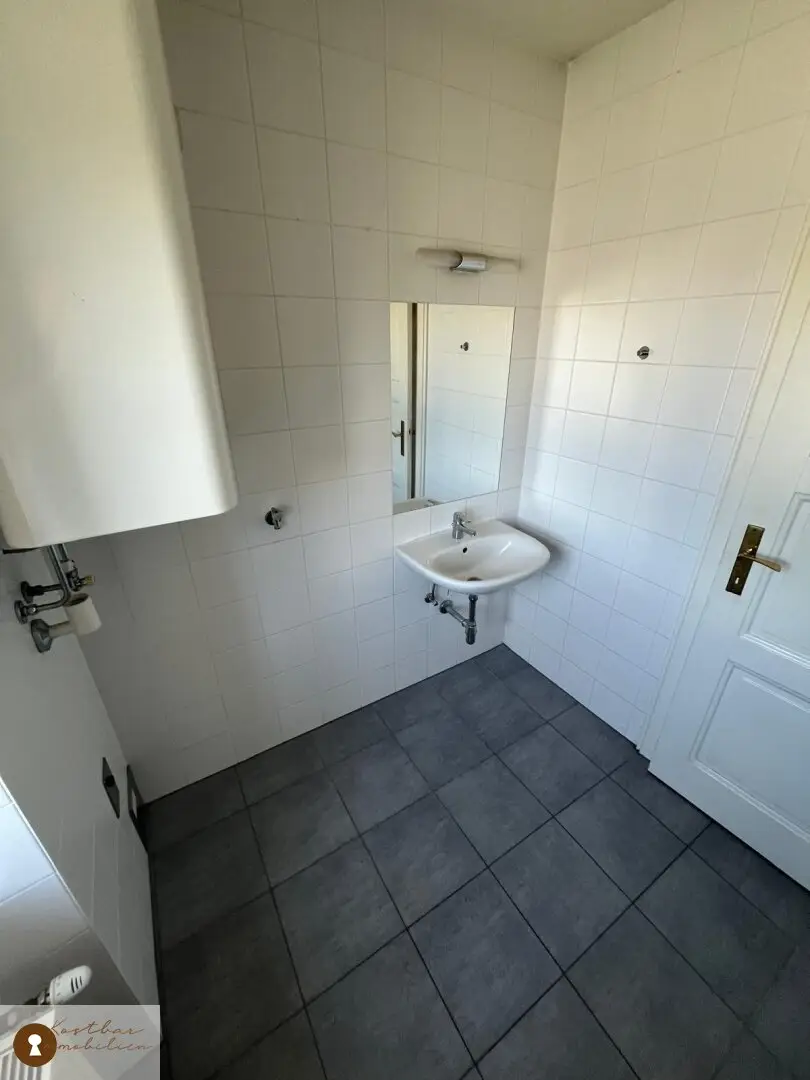
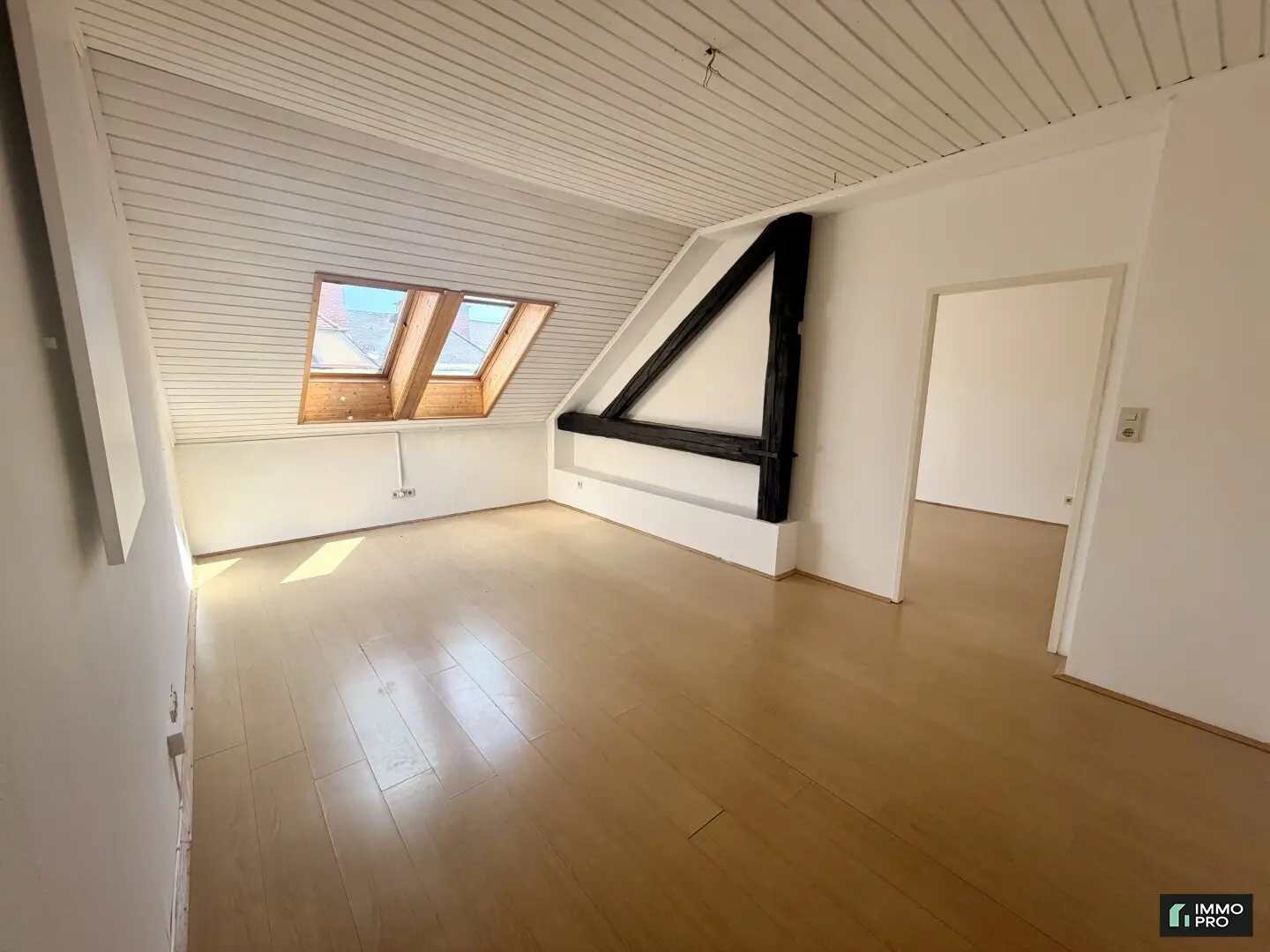
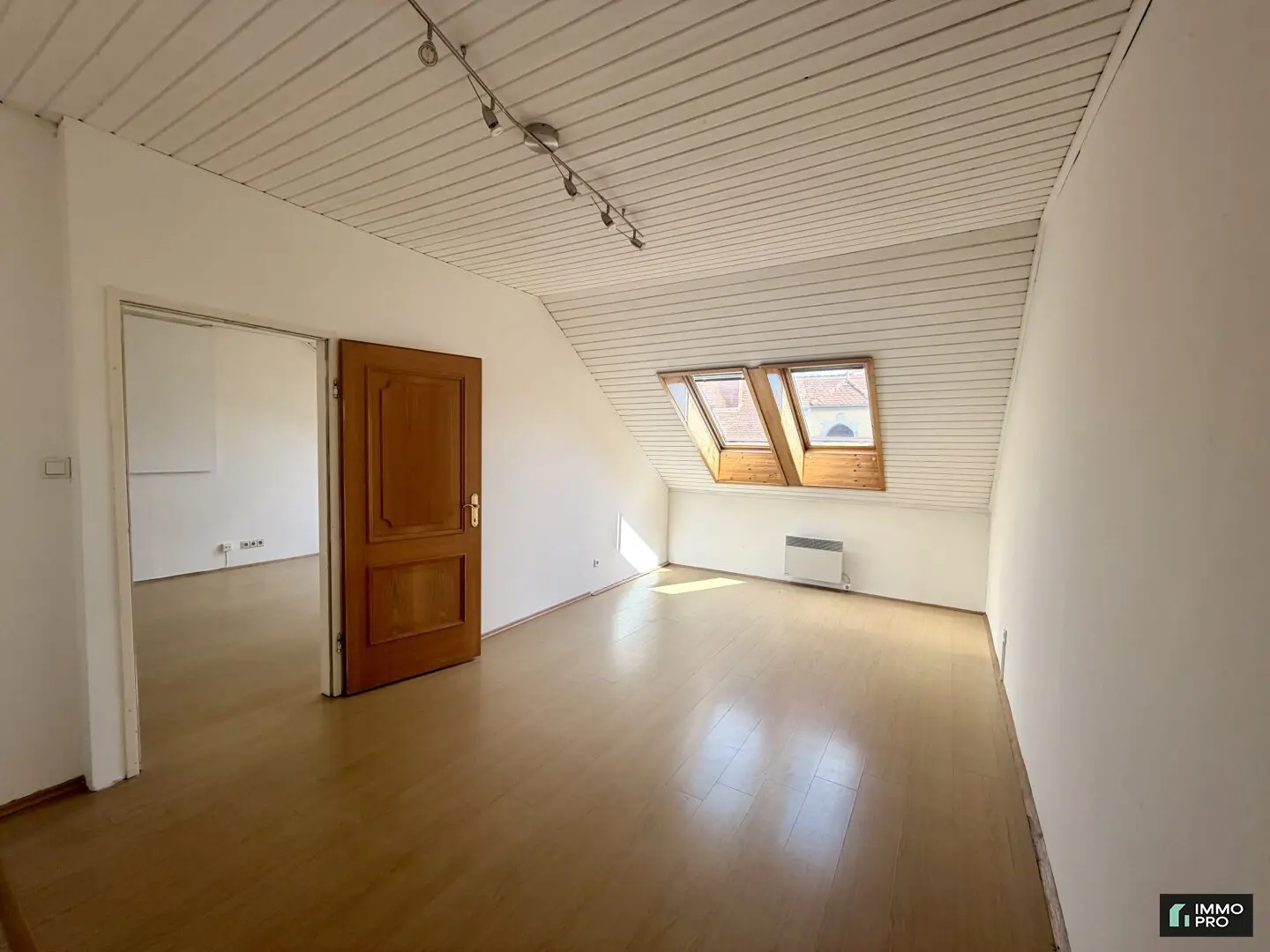
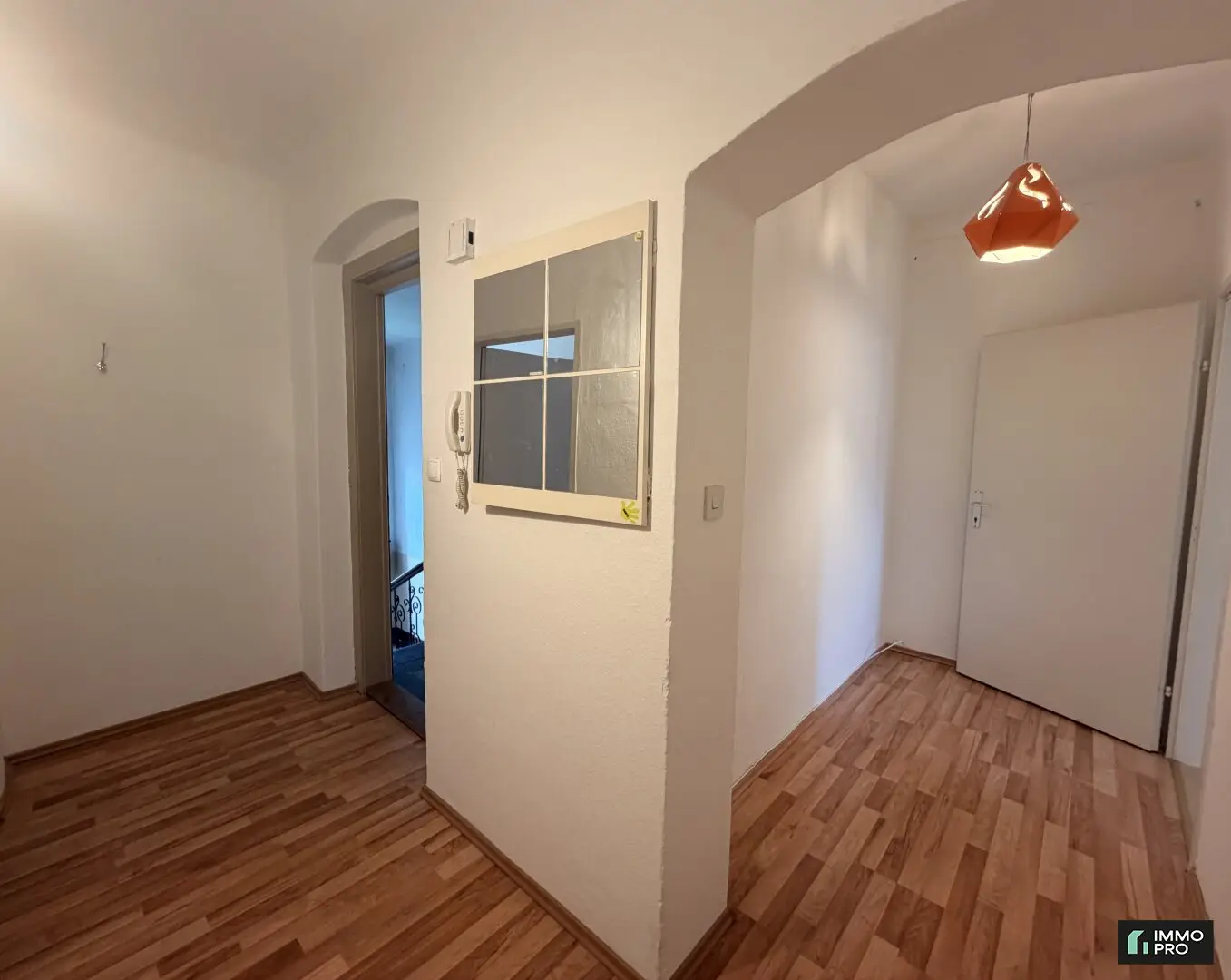
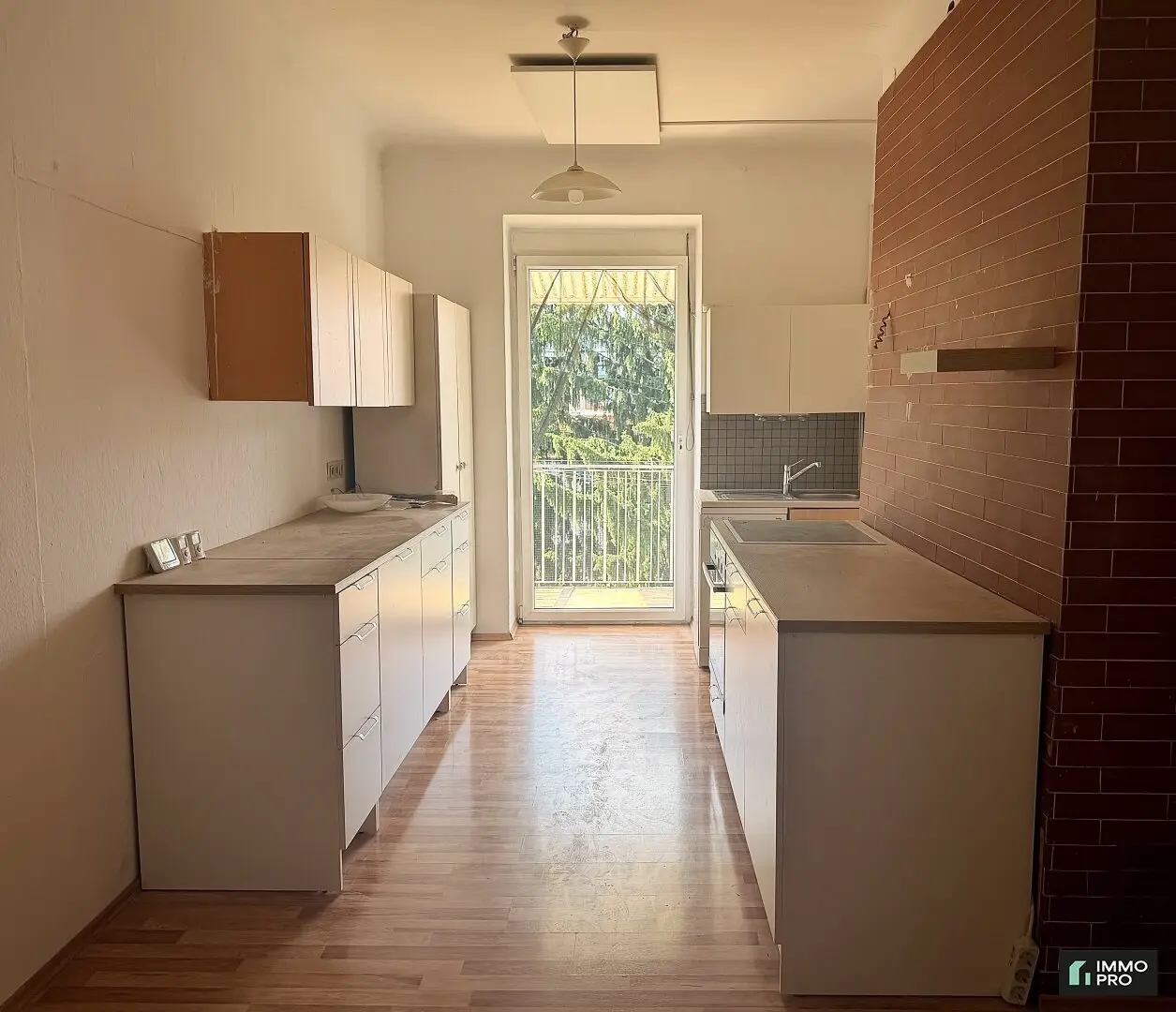
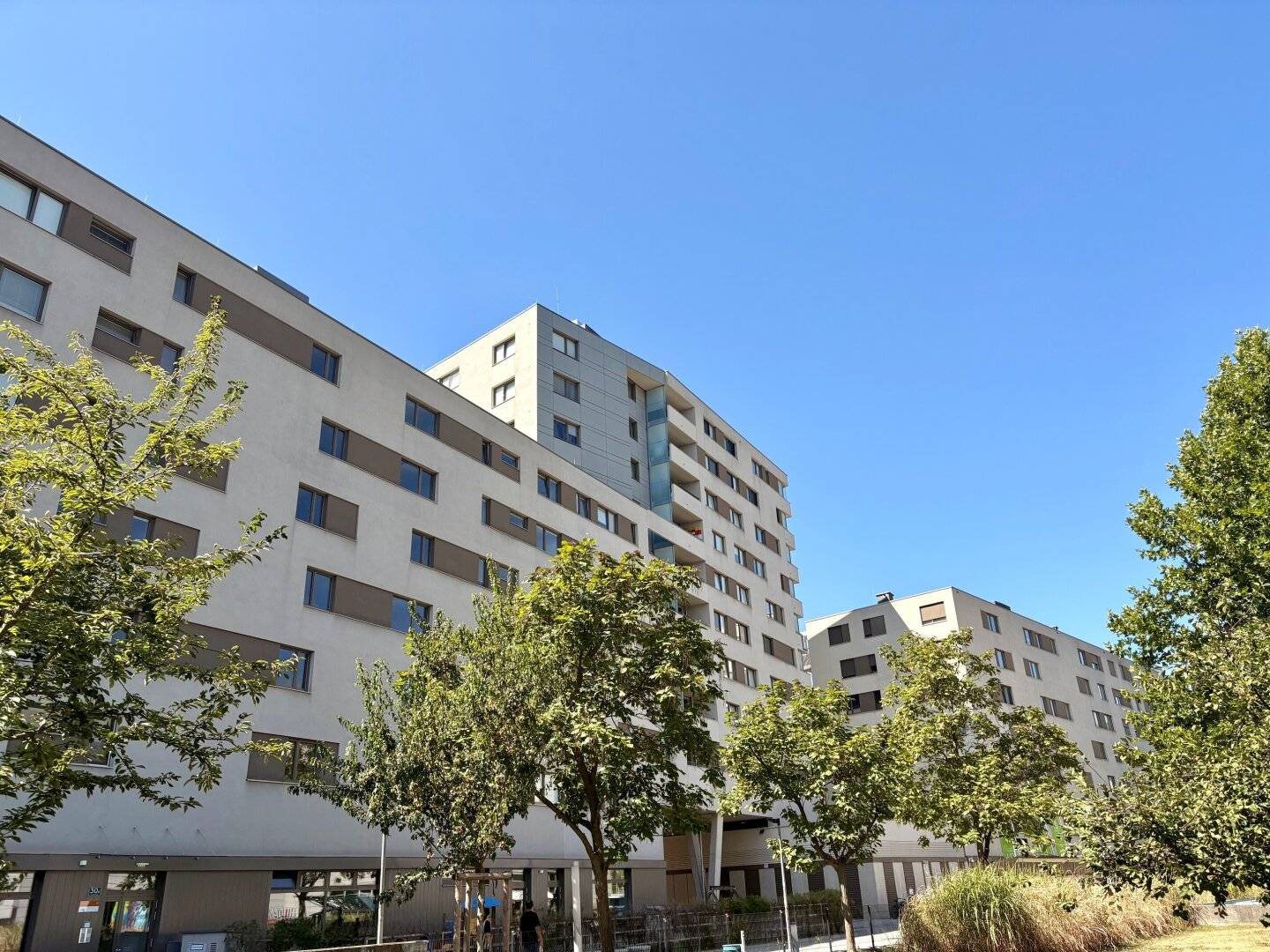
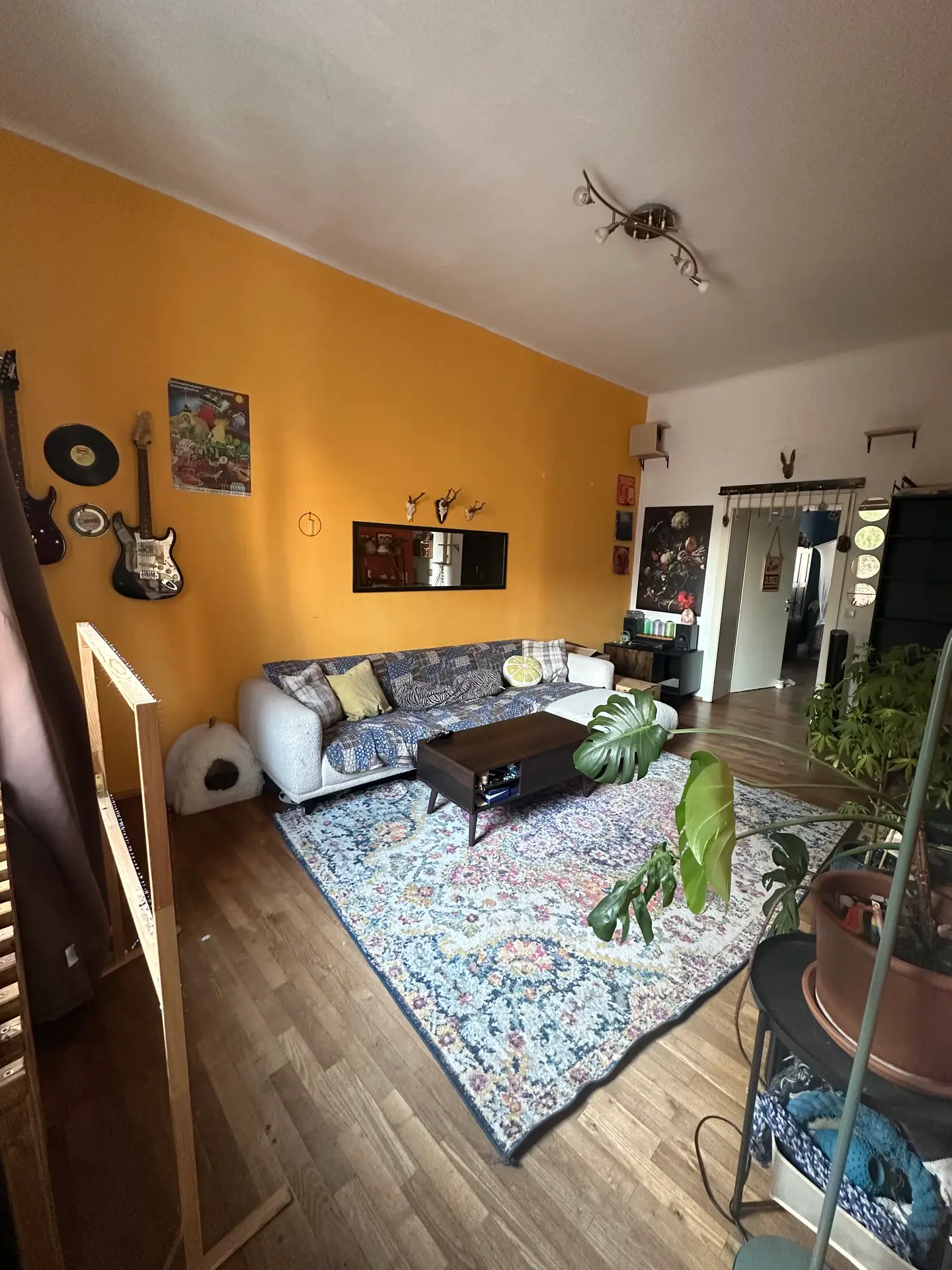
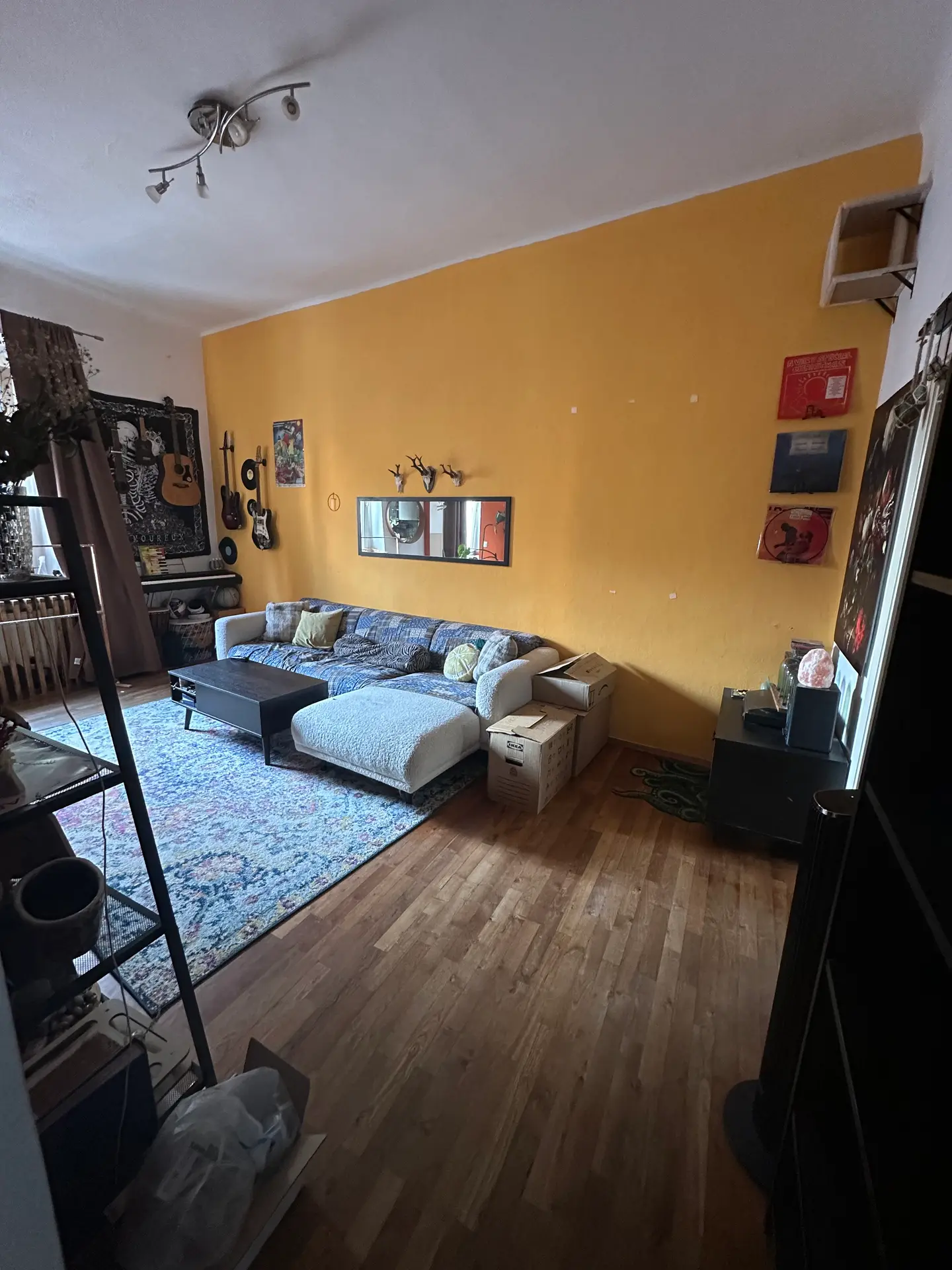
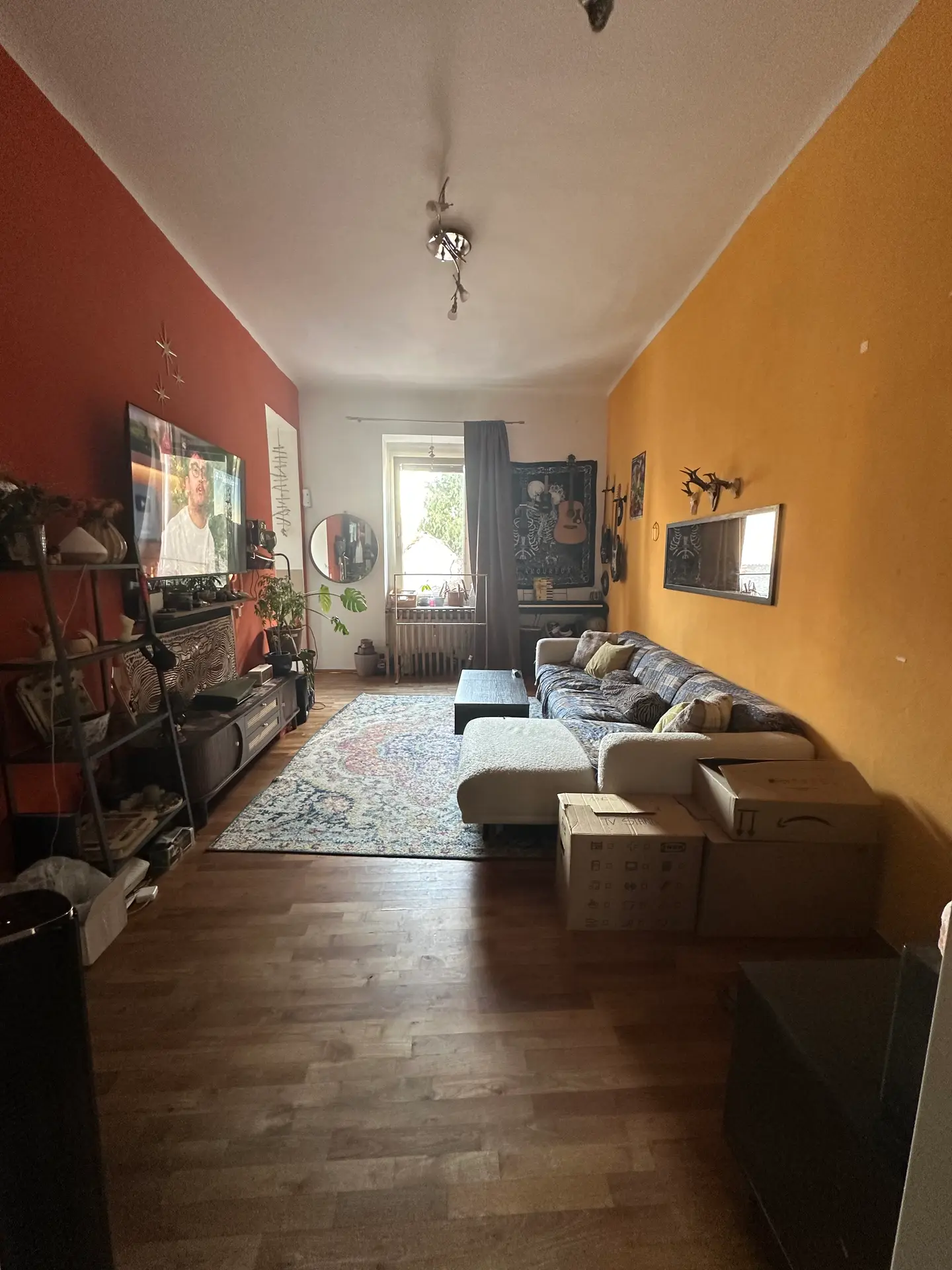
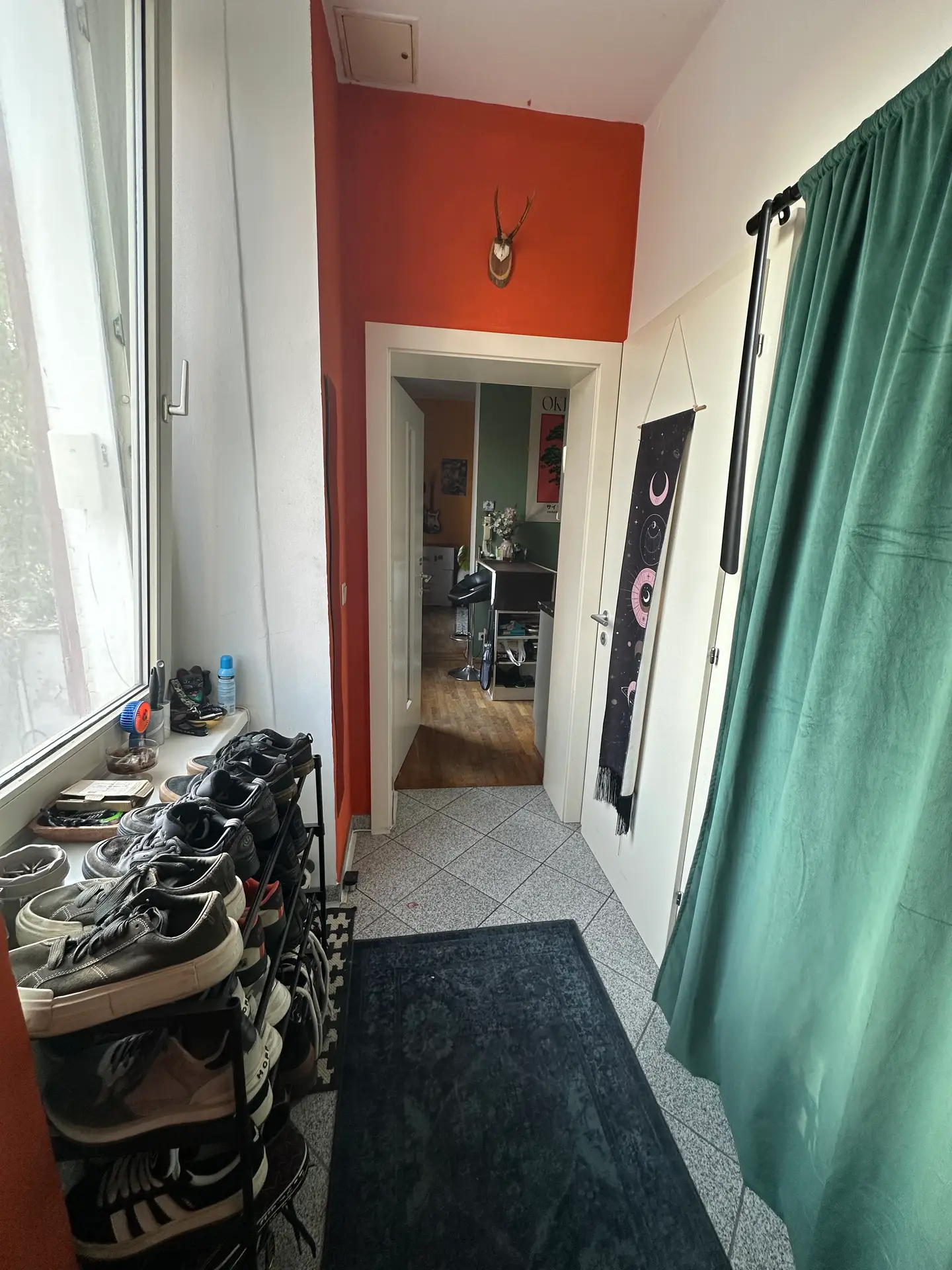
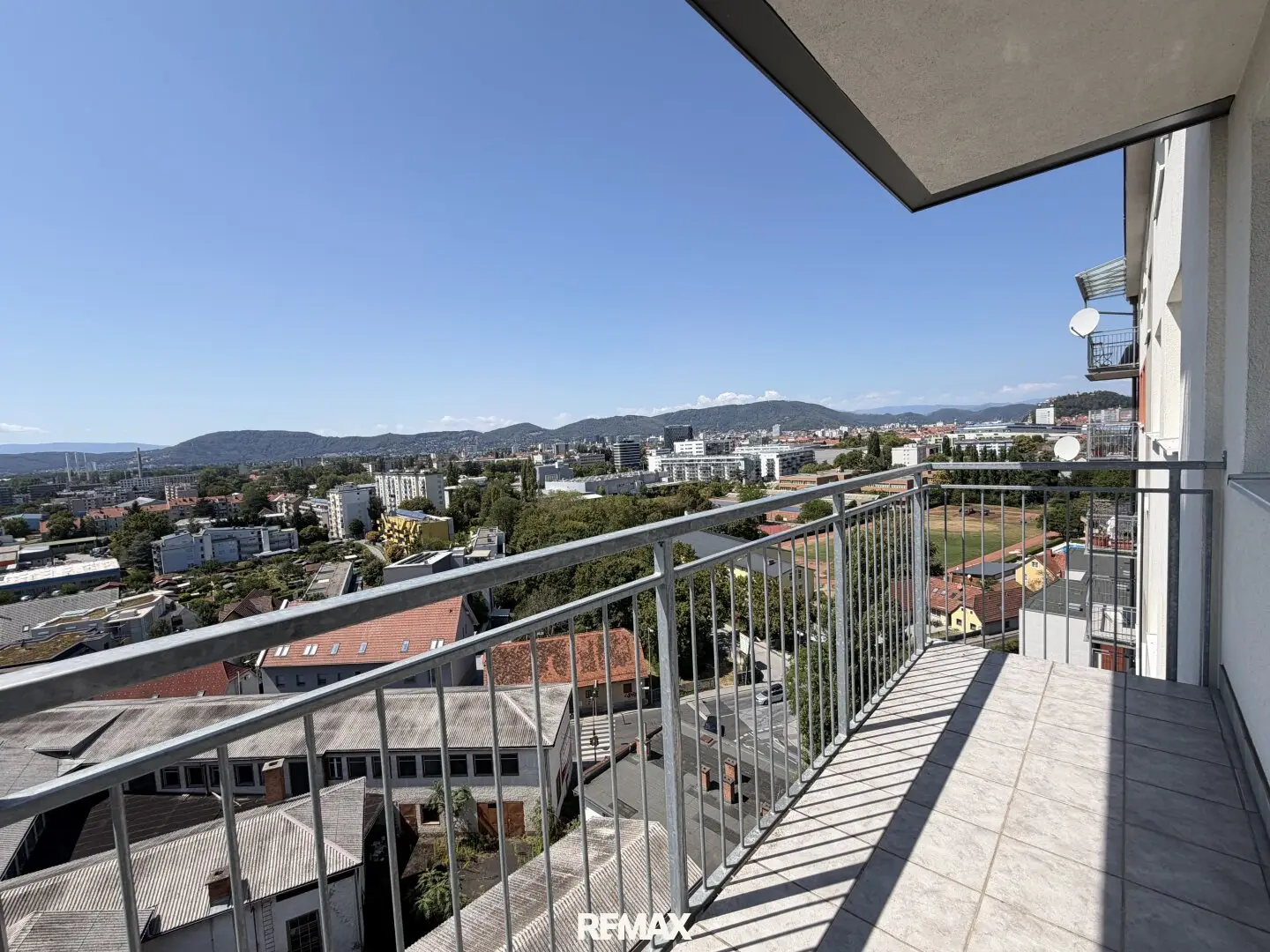
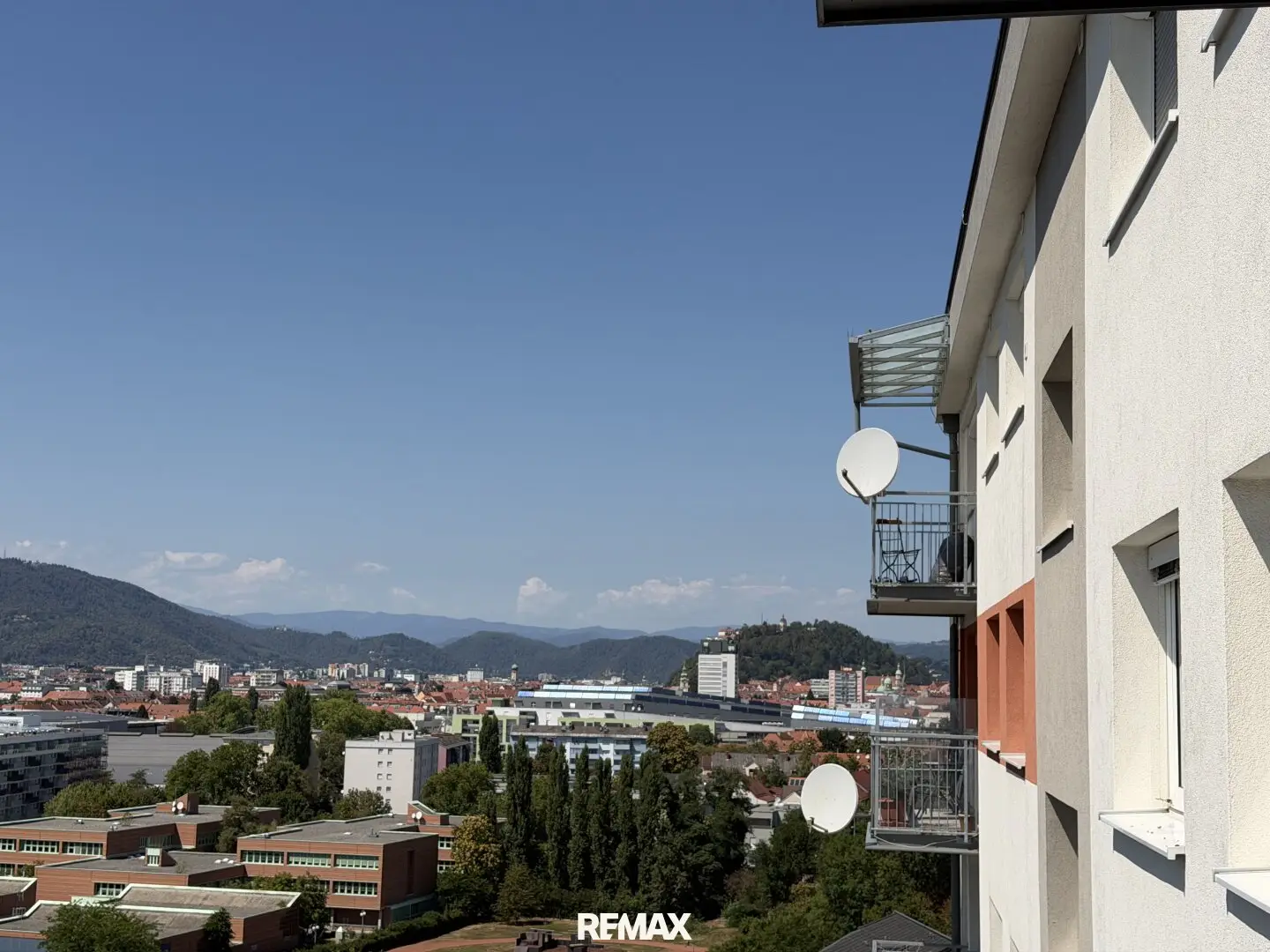
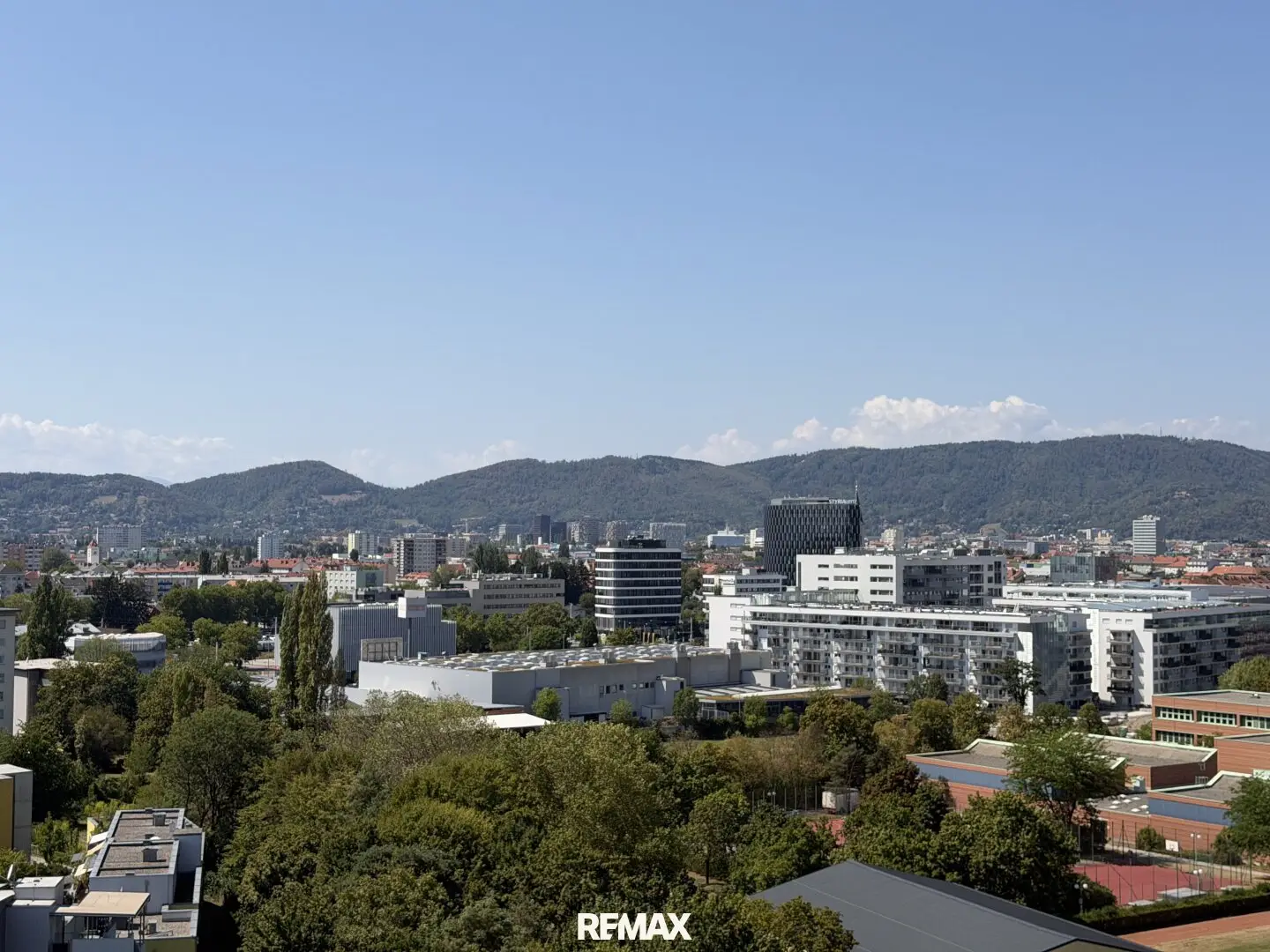
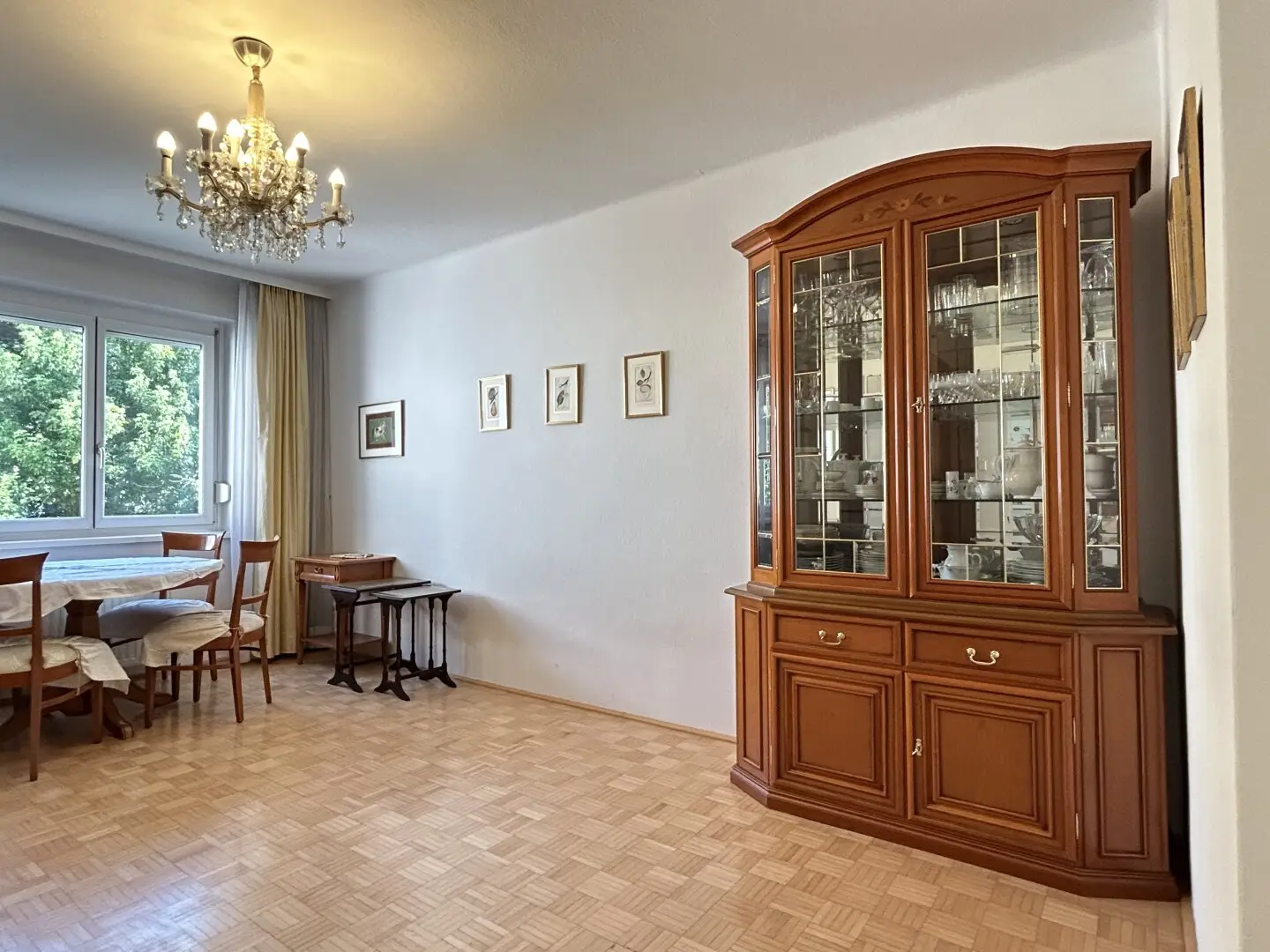
Apartment for rent
77 m²3 Rooms1 Bath
Wartingergasse 15, 8010 Graz
Apartment for rent
Wartingergasse 15, 8010 Graz

Cooperative apartment for rent
Steinfeldgasse 23, 8020 Graz

Multi unit
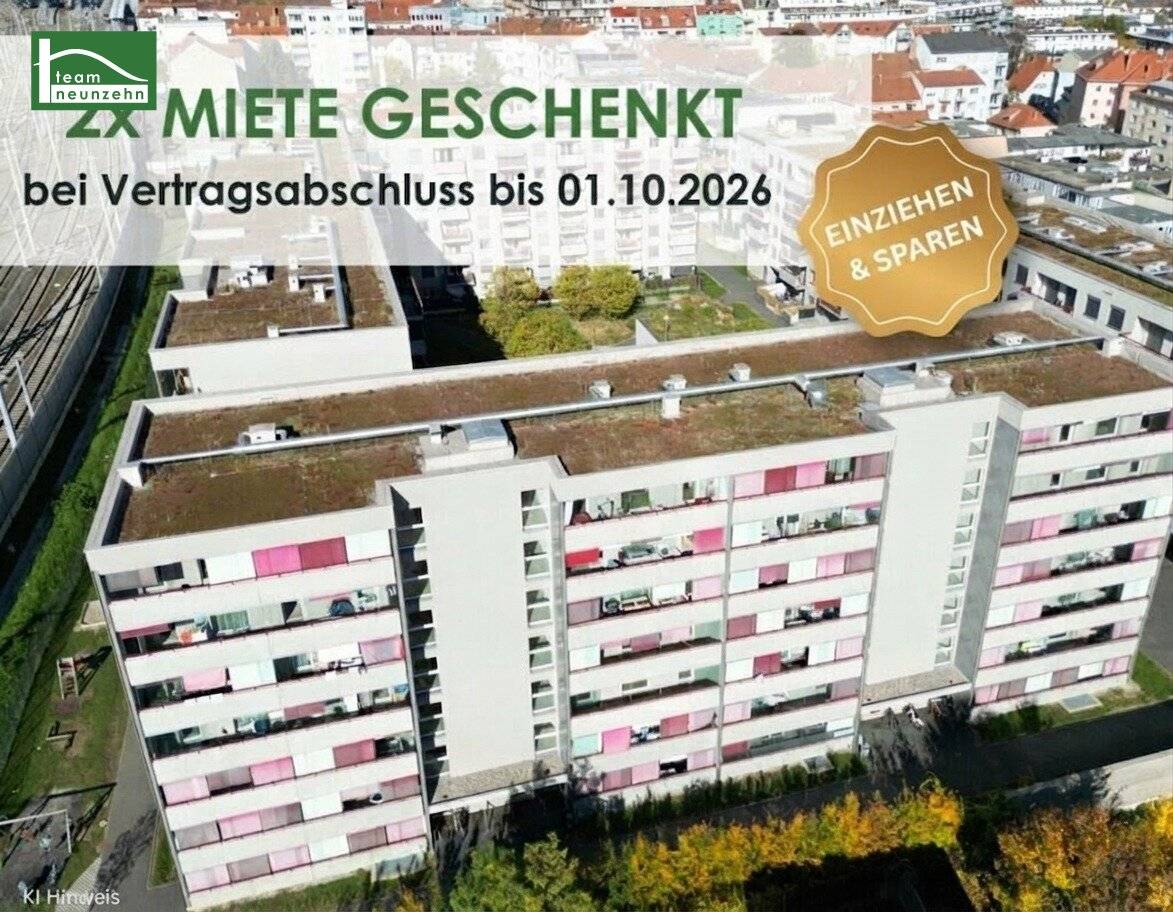
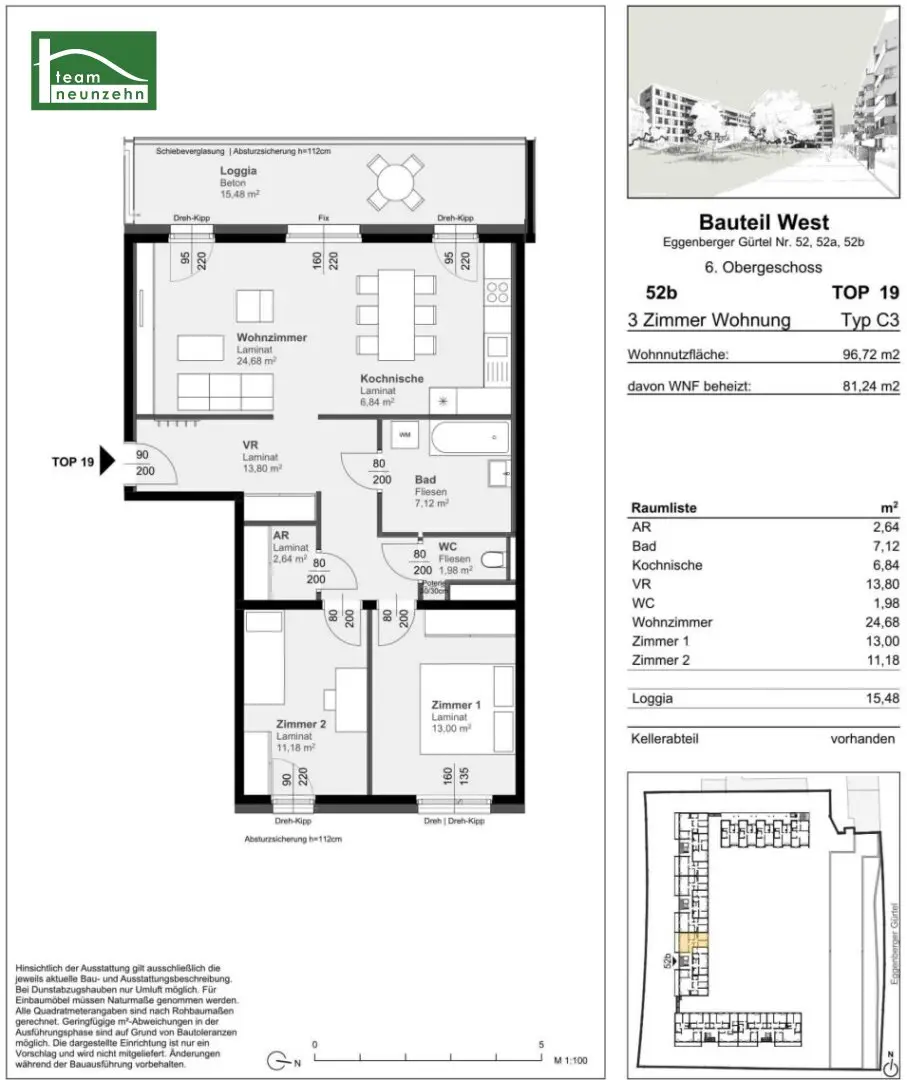
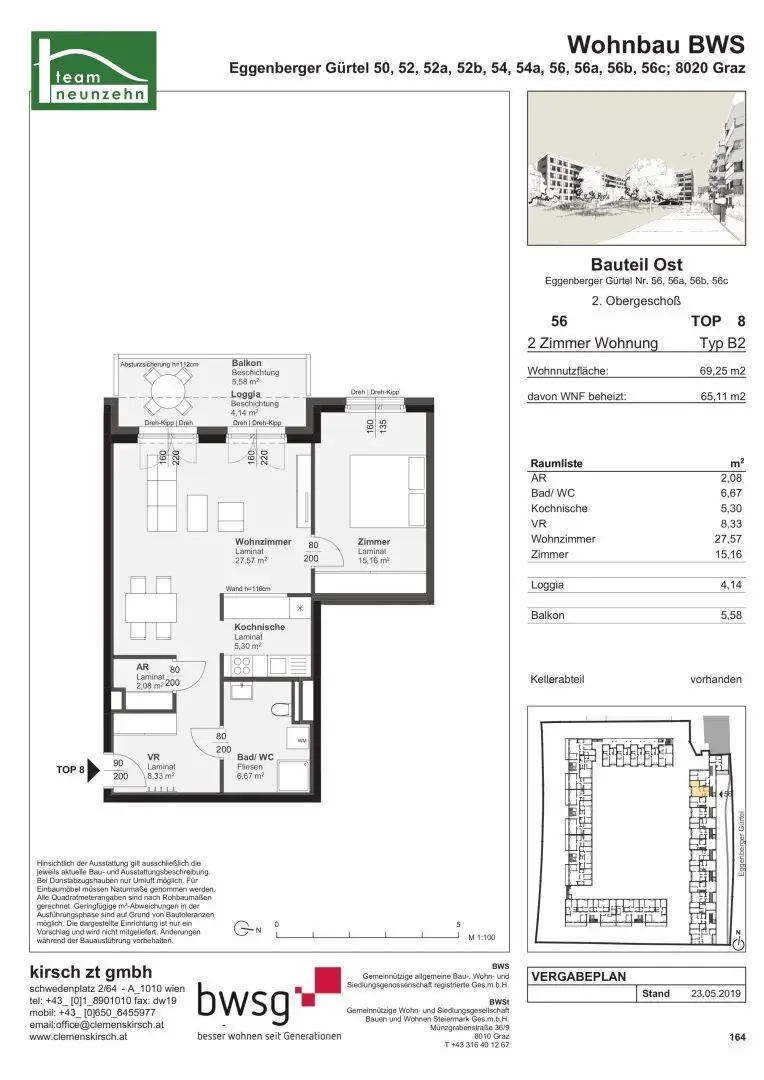
Eggenberger Gürtel 50-56, 8020 Graz
Multi unit
Eggenberger Gürtel 50-56, 8020 Graz

Attic apartment for rent
Schießstattgasse 4, 8010 Graz

Apartment for rent
Mariahilferstraße 15, 8020 Graz-Lend

Apartment for rent
Luthergasse 4, 8010 Graz-Innere Stadt

Apartment for rent
Steyrergasse 85-85a, 8010 Graz

Apartment for rent
Hugo-Schuchardt-Straße 6, 8010 Graz

Other apartment for rent
Flurgasse 33, 8010 Graz
Apartment for rent
Eckertstraße 30H, 8020 Graz

Other apartment for rent
Hergottwiesgasse 40, 8020 Graz-Gries

Apartment for rent
Wiener Straße 60a, 8020 Graz
Apartment for rent
Steyrergasse 56, 8010 Graz
Apartment for rent
Eckertstraße 30e, 8020 Graz
Other apartment for rent
Marktgasse 11, 8010 Graz

Apartment for rent
Petersgasse, 8010 Graz
Other apartment for rent
Schießstattgasse 4, 8010 Graz

Apartment for rent
Am Wagrain 64, 8054 Graz-Straßgang

Other apartment for rent
Brucknerstraße 6, 8010 Graz

Apartment for rent in Graz | Lystio
Anyone looking for a new place in the Styrian state capital quickly notices: demand for rental apartments in Graz is high. The city is not only known for its UNESCO World Heritage status, but also for its high quality of life.
Whether students, young professionals or families — everyone appreciates the lively city life and the affordable rents. It pays to keep an eye on the housing market and develop a feel for prices, amenities and locations in order to find the ideal home in the end.
With over 300,000 inhabitants, Graz is the second largest city in Austria and is considered a true student city. Almost 20 % of the population are students at the university, technical university or universities of applied sciences — this strongly shapes the housing market.
Smaller apartments such as studio apartments (1-room) and 2-room apartments are therefore particularly in demand. At the same time, many young families and professionals are moving to Graz, creating a diverse mix on the housing market.
Rents in Graz have risen moderately in recent years, but are still below the level of Vienna or Linz. On average you pay around 10 to 13 euros per square meter, depending on location and condition of the apartment.
Of course, apartments in the city centre and near the universities are more expensive than those in the outer districts. Overall, however, it can be said: Graz still offers affordable rents with high quality of living compared to many other large cities.
An advantage in Graz: There are many new-build projects and renovated period buildings, so the selection of rental apartments is large. From a period apartment with high ceilings in Geidorf to a modern city apartment in the Lend district, there is something for every taste.
When searching for an apartment, online real estate sites with detailed filters help you target by rent, size (living area), number of rooms and features. This way you can keep track even with hundreds of listings (properties) and narrow down the right selection.
Here is an overview of the most popular features in rental apartments:
Graz is divided into 17 districts, each with its own charm. In central neighborhoods like the Inner City, St. Leonhard, Geidorf and Jakomini (postal code 8010 Graz) you will find many period apartments and trendy city apartments.
Streets like Peter-Rosegger-Straße or Afritschgasse are, for example, popular for their central location near the universities. If you want lively city life right on your doorstep, you'll find suitable places here — but you should also expect higher rents.
Young people are often drawn to the Lend district or Gries, around the main train station. These neighborhoods are currently changing: where industry used to be, trendy new buildings and lofts are now being created.
The proximity to the main train station and the good public transport connections (tram, bus) make these districts attractive for commuters and students. Many modern apartments have also been built in the Eggenberg district, near FH Joanneum.
Families often prefer quieter residential areas on the city outskirts. Districts like Waltendorf, Andritz or St. Peter offer more green spaces, playgrounds and usually larger apartments with multiple bedrooms. There you often have more space and a child-friendly environment, sometimes even terraced houses for rent.
In addition to apartments in Graz city, there are of course many options in the surrounding area. In the surrounding municipalities around Graz (for example toward Voitsberg, Weiz or Bruck an der Mur) rents are often cheaper. However, this usually means a longer commute into the center.
So whether you prefer to live in the middle of Graz or out in the green depends on your personal priorities.
From the small single apartment to the generous family apartment, you can find everything in Graz. A classic 2-room apartment (living room + bedroom) of about 50 m² of living space is ideal for singles or couples. Larger 3- to 4-room apartments are perfect for families or shared flats.
And if you need a lot of space, you'll find it: even some houses are offered for rent. When choosing the right property, you should first consider how much space you need and which layout suits you best.
To finish, here are a few interesting facts about rental housing in Graz:
Rents depend strongly on location, size and amenities. On average, you pay for a normal rental apartment in Graz about 10 to 13 € per square meter.
A 2-room apartment with 50 m² of living space therefore costs roughly 500 to 650 € per month, plus possible costs for heating and electricity. The more central and modern the apartment, the higher the price.
Searches today mainly run online via real estate sites. There you can set filters exactly for what you are looking for (e.g. number of rooms, living area, price, balcony, etc.) and receive a list of matching properties. Popular platforms for Graz are Lystio, willhaben, ImmobilienScout24 or immowelt.
It's also worth keeping an eye on social networks or local newspapers. It's important to react quickly, because attractive apartments are often taken in a short time.
Students like to move to university areas, such as districts like Geidorf, St. Leonhard or Jakomini. Gries and Eggenberg (near FH Joanneum) are also popular and usually somewhat cheaper. Families tend to look for quiet, green locations: Andritz in the north or St. Peter and Waltendorf in the south offer, for example, houses with gardens and playgrounds nearby.
Generally, each Graz district has its own appeal — so you should ask yourself whether you prefer to live in the middle of the action or in a green area.
In Austria it is customary to pay a security deposit when renting an apartment. In Graz (as elsewhere) three months' rent is common.
This amount is returned to you by the landlord at the end of the tenancy provided the apartment is handed over in proper condition. The deposit serves the landlord as security for possible damages or outstanding payments.
Gross rent (also called "warm rent") is the total rental amount including operating costs. This includes costs for building operations such as waste, water, building cleaning, etc. Heating costs and electricity are often not included and are charged separately.
Customer support and general inquiries. Replies within one business day.
For agents, real estate companies, or technology partners
© 2024-2026 Lystio GmbH, All rights reserved
1,640 apartments for rent in Graz. Compare districts, property types and states.