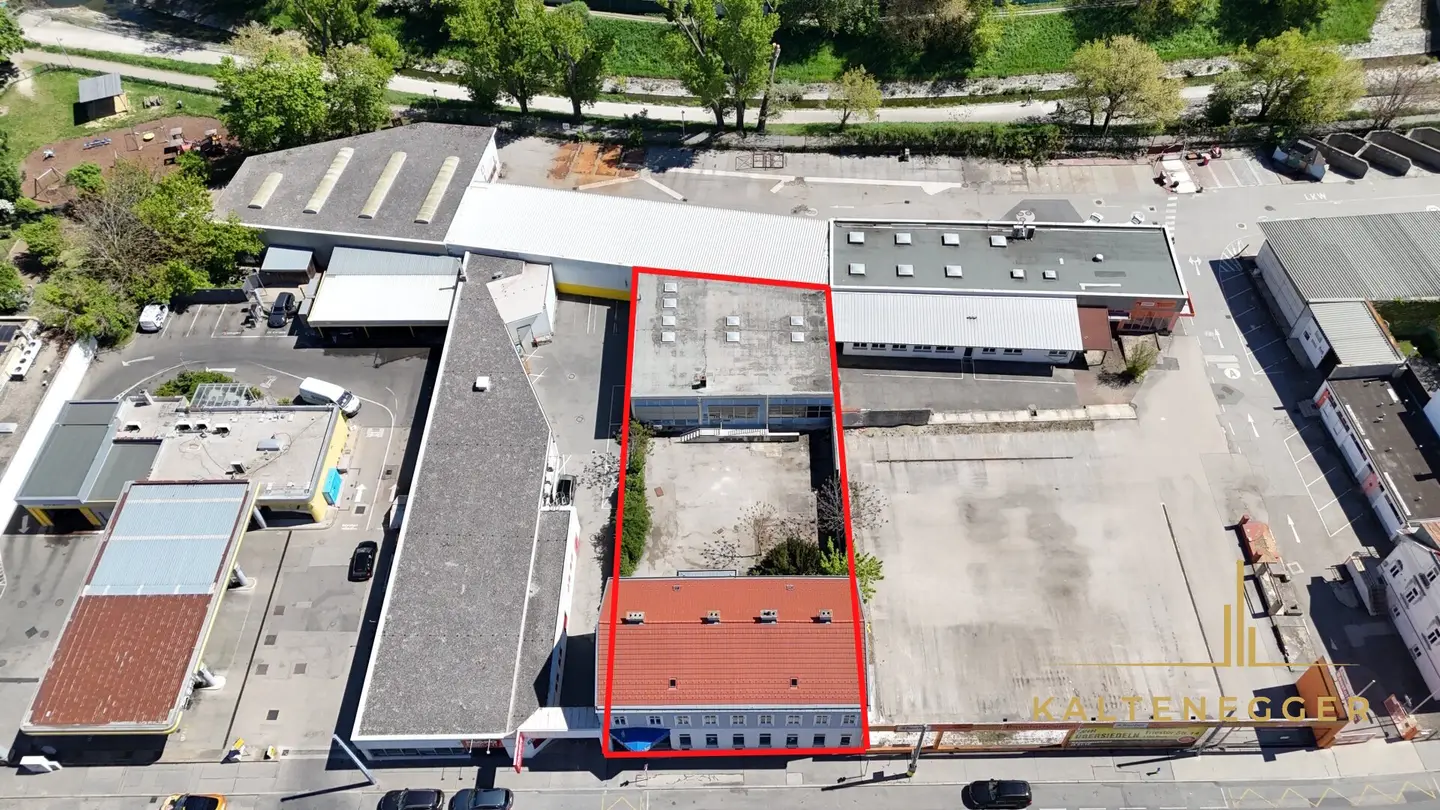
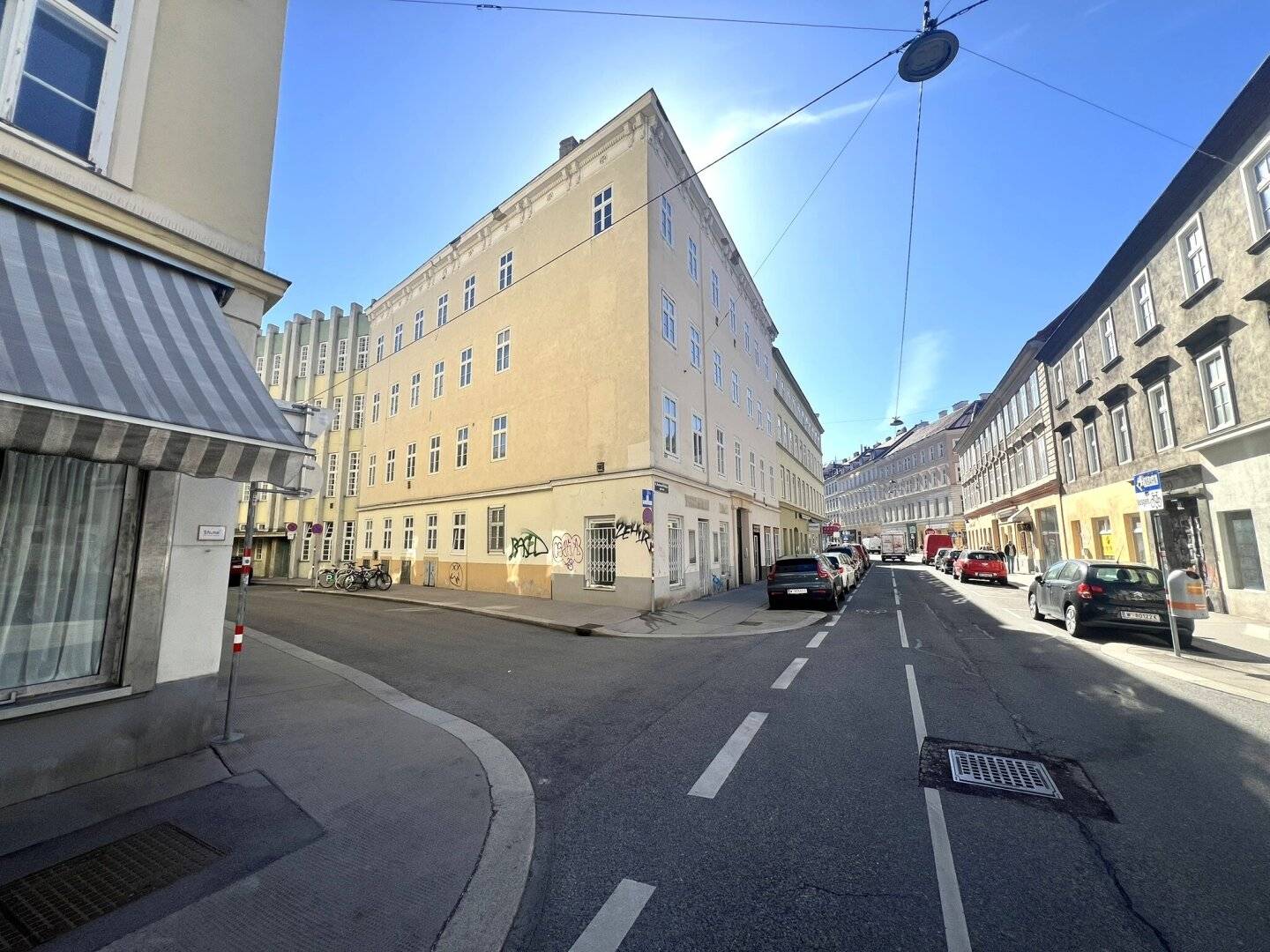
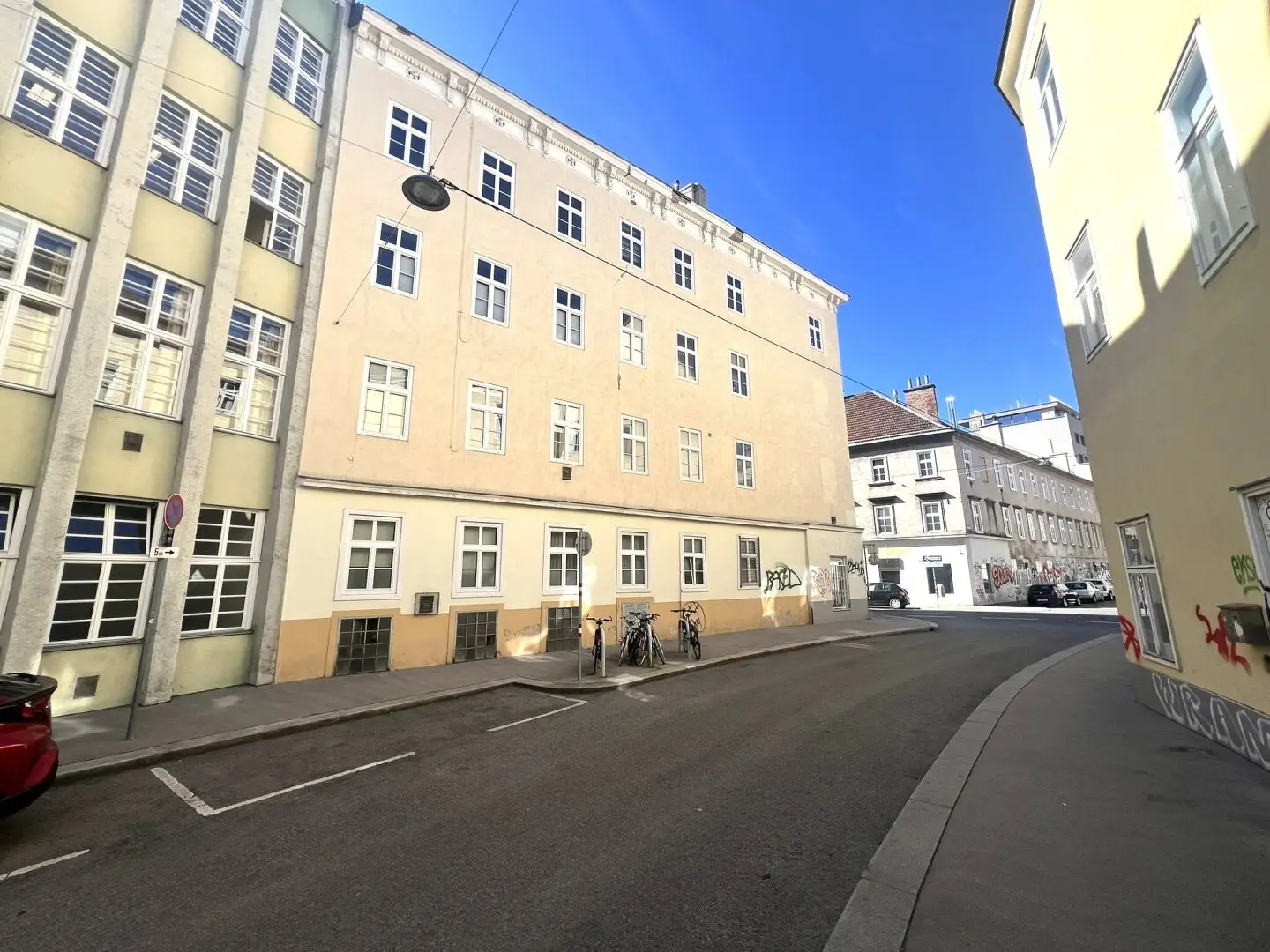
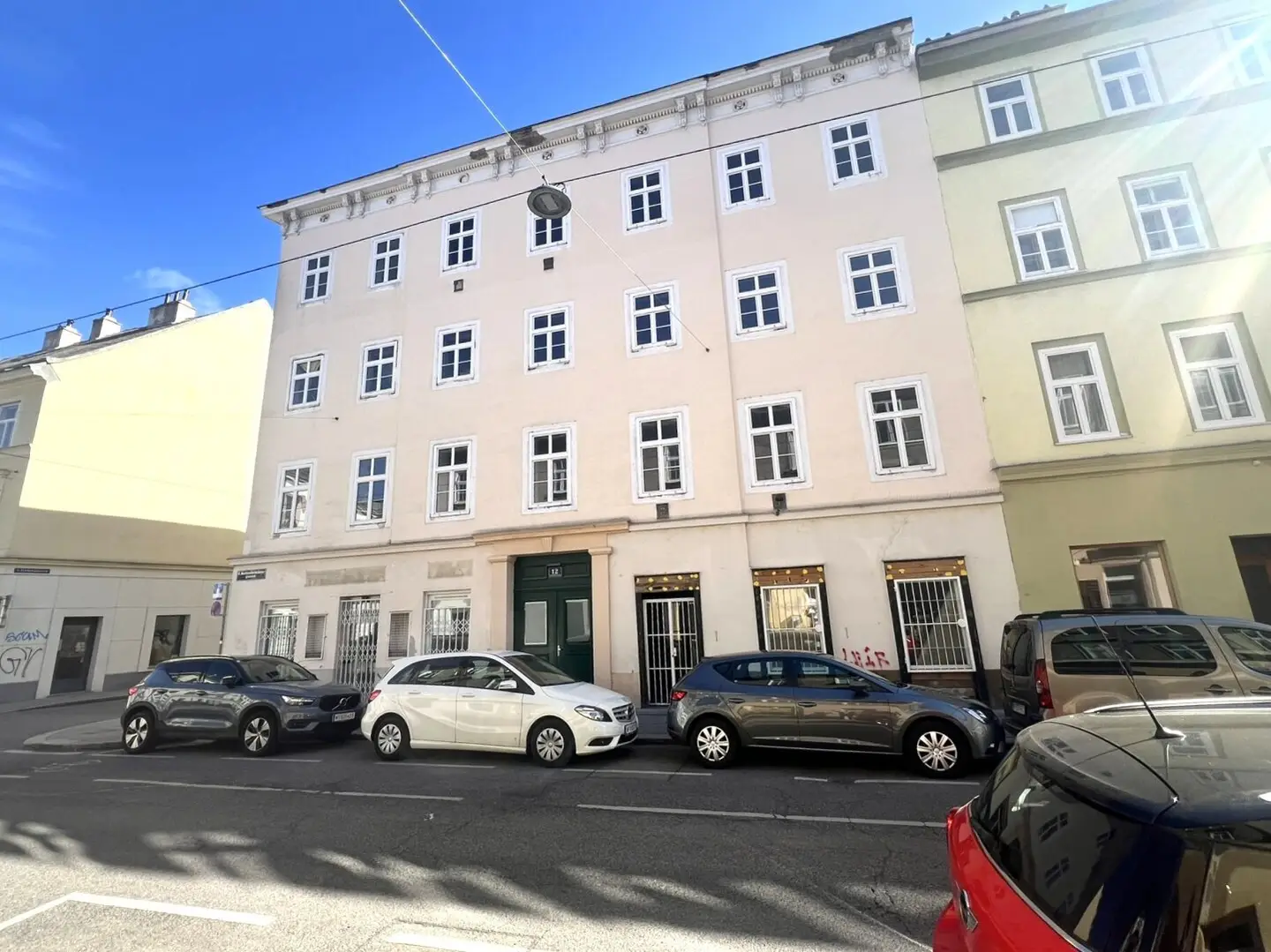
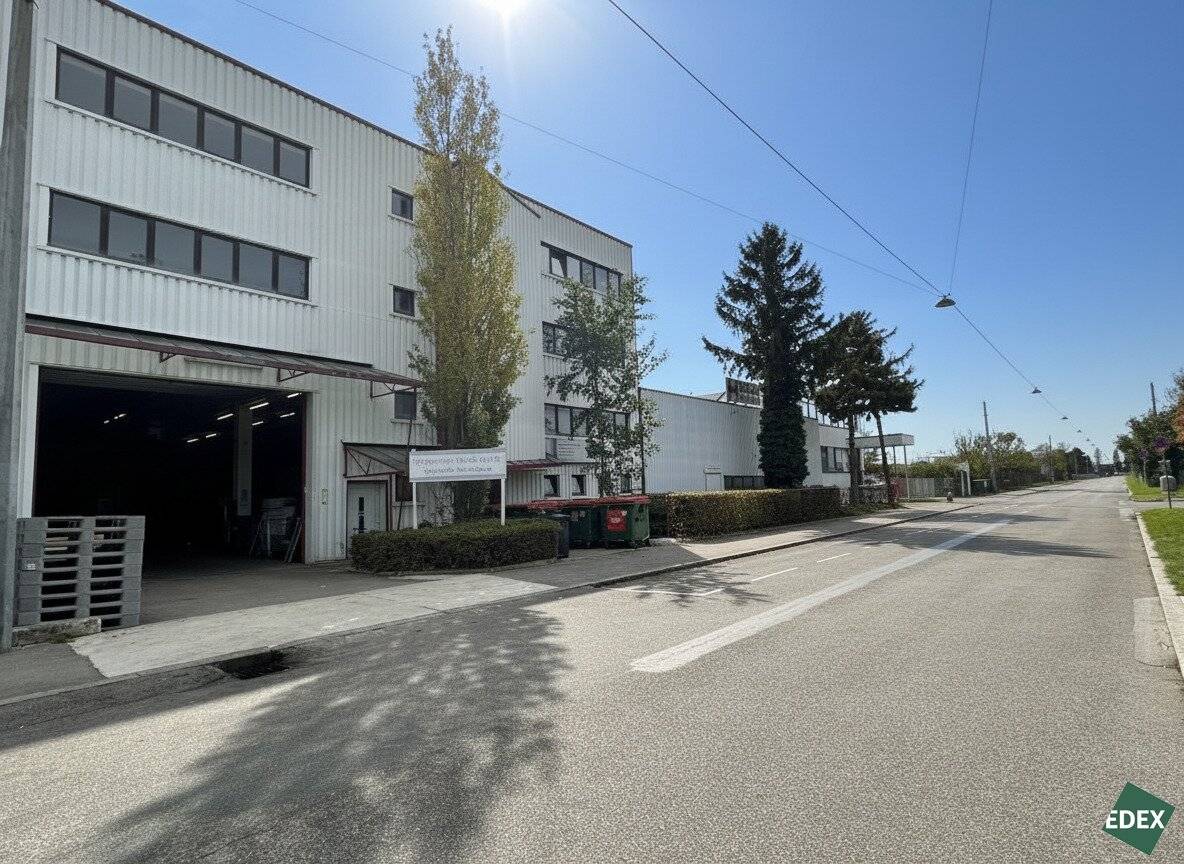
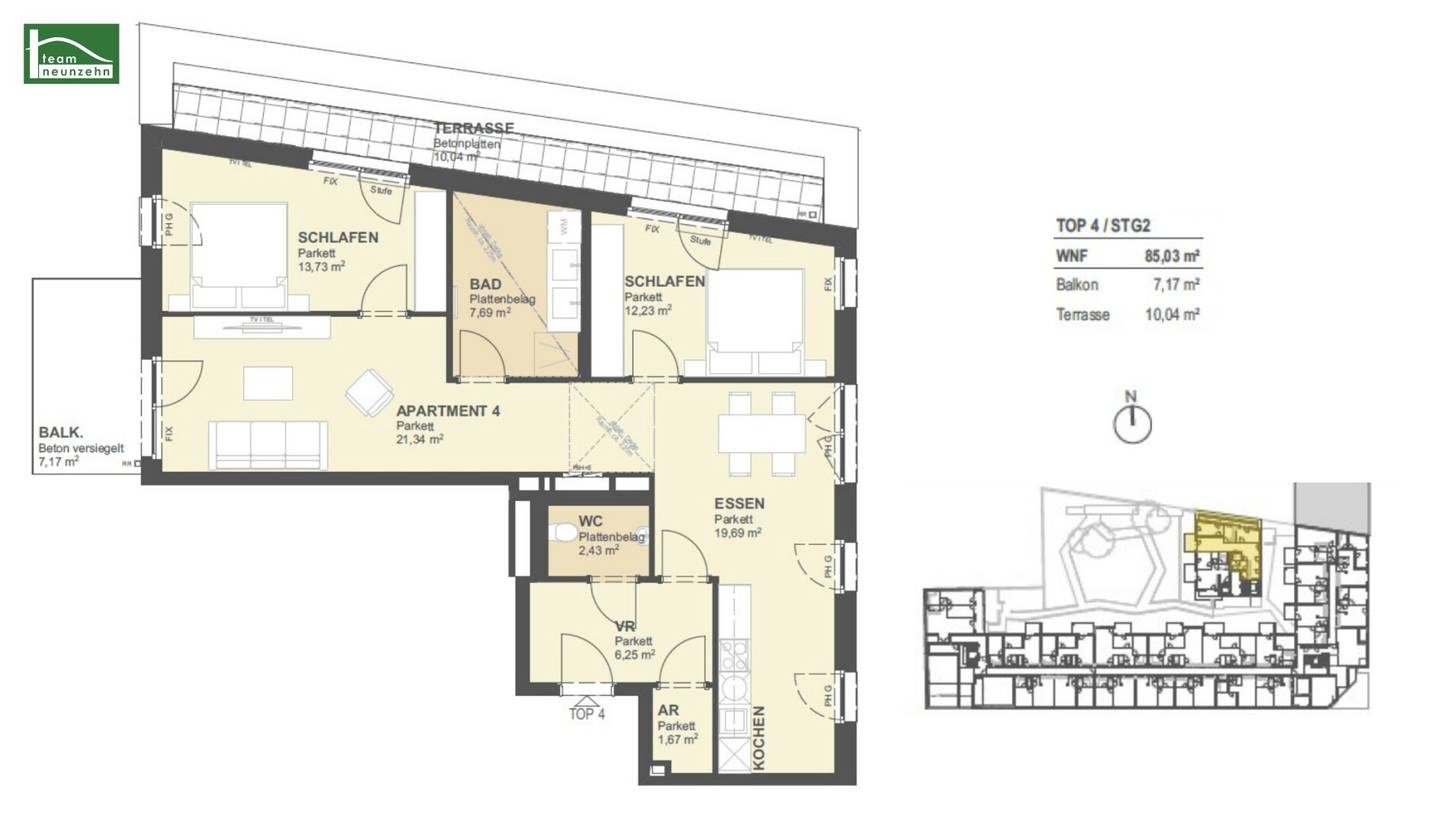
Project Arakawastraße/Tokiostraße 3 in 1220 Vienna
2 Units

Christian Leikam
Teamneunzehn-Gruppe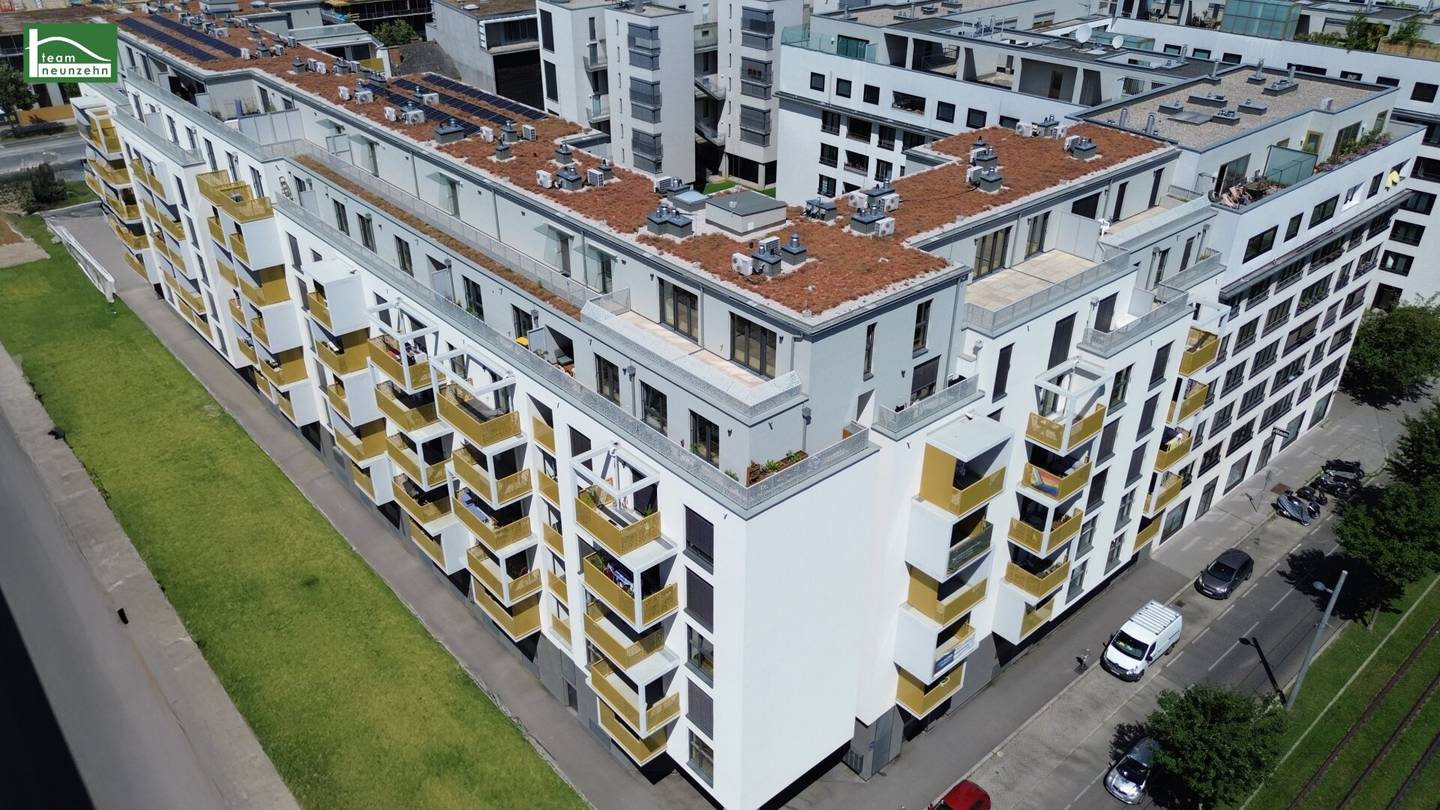
375,000-1,110,000€
85 - 245 m²
Arakawastraße/Tokiostraße 3, 1220 Wien
Project Arakawastraße/Tokiostraße 3 in 1220 Vienna
2 Units
Arakawastraße/Tokiostraße 3, 1220 Wien

Investment Property for sale
1150 Wien
Investment Property for sale
1190 Wien

Investment Property for sale
1120 Wien
Investment Property for sale
1140 Wien

Investment Property for sale
Breitenfurter Straße 331, 1230 Wien

Investment Property for sale
1030 Wien

Investment Property for sale
1040 Wien
Investment Property for sale
1230 Wien

Investment Property for sale
1180 Wien

Investment Property for sale
1050 Wien
Investment Property for sale
1090 Wien
Investment Property for sale
1180 Wien
Investment Property for sale
1030 Wien
Investment Property for sale
1030 Wien
Investment Property for sale
1060 Wien
Investment Property for sale
1130 Wien
Investment Property for sale
1160 Wien

Investment Property for sale
1140 Wien

Investment Property for sale
1180 Wien

Investment property for sale in Vienna | Lystio
A rental building in Vienna is considered an attractive investment in the Austrian capital's real estate market. A "Zinshaus" traditionally refers to a multi-family building – often historic Gründerzeit buildings – that is fully rented out and provides the owner with ongoing rental income ("interest").
The Vienna rental-building market is characterized by numerous historic Gründerzeit buildings and classic multi-family houses. These rental buildings – often splendid old buildings with stucco facades – are an important part of Vienna’s urban landscape.
As investment properties they have always been in high demand. There are still over 13,000 rental buildings in Vienna, mostly old buildings from the 19th century. A rental building usually contains several rented apartments under one roof, which are sold as a whole – overall historic old buildings dominate the market.
In recent years the rental-building market has changed somewhat: many owners have parceled rental buildings into separate units, i.e. divided them into individual condominiums and sold them as owner-occupied apartments instead of selling the entire building. As a result, the stock of classic rental buildings has declined slightly.
Nevertheless, investor interest in Vienna rental buildings remains high, because the population is steadily growing and high-quality housing is scarce. Rental buildings as investment objects are still regarded as crisis-resistant tangible assets – especially in a metropolis like Vienna with a high quality of life and steady housing demand.
The condition and features of the property play a major role when buying a rental building. Many Viennese rental buildings are venerable structures with historic charm, but the structural condition can vary greatly. Prospective buyers should check whether the building has already been renovated or whether major investments will be required in the near future.
A comprehensive renovation – for example of the roof, facade or utility lines – can raise the purchase price but offers the advantage of lower maintenance costs in the coming years. An unrenovated property with renovation needs is cheaper to buy but requires the appropriate budget and effort for upgrades.
The building’s features include, for example, whether an elevator is present and how modern the building services (heating, electrical, sanitary) and the apartments are. In general, a contemporary standard in the units increases attractiveness for tenants and thus the value for the buyer.
The layout of the building – number of rooms per apartment, apartment sizes and total usable area (living area) – is also important. Rental buildings with well-laid-out 2- to 3-room apartments are usually easier to fully rent out and generate reliable rental income. For especially protected historic buildings, regulatory requirements such as heritage protection may need to be observed.
The location of a property is one of the most important value factors – this also applies to rental buildings in Vienna. Each property unfolds its value in the context of the district and the surroundings. Rental buildings are found in many parts of Vienna, but especially the inner districts and classic Gründerzeit neighborhoods have a high concentration.
Sought-after residential areas for rental-building investments are usually within or near the Gürtel: districts such as Mariahilf (6th district), Neubau (7th district), Josefstadt (8th district) or Alsergrund (9th district) are known for attractive old rental buildings with corresponding demand.
These central locations offer excellent infrastructure, good public transport connections and high attractiveness for tenants – prices are correspondingly high.
Rental buildings also shape the cityscape in outer districts such as Favoriten (10th district), Rudolfsheim-Fünfhaus (15th district) or Ottakring (16th district). In such locations the purchase prices per square meter are often lower, while initial rental yields can be higher.
A rental building in Vienna is a way to invest stably in residential real estate. The yield is usually 2–4% – lower in inner-city categories due to high prices, somewhat higher in peripheral districts because of lower entry prices. Thanks to inward migration, the search for rental apartments remains large, which creates good letting prospects.
Many historic rental buildings are subject to the MRG, which limits rents. However, apartments that become vacant can often be re-rented at market prices – a valuable tip for increasing returns.
Rental buildings are considered crisis-resistant and value-stable. Buyers are often private investors, foundations or individual investors who focus on long-term security. Demand remains high, especially in good locations in the heart of Vienna.
The yield of a rental building in Vienna is usually between about 2% and 4% per year, based on the purchase price. In very sought-after central locations the yield can be at the lower end (sometimes even below), because purchase prices there are extremely high. In outer districts or up-and-coming areas it is often higher because entry prices are lower. Ultimately, the actual yield depends heavily on the specific property – in particular the purchase price, condition and achievable rents.
When buying a rental building, investors should pay particular attention to location, the condition of the building and the rental structure. Location determines lettability and future value development – central or desirable residential areas usually offer stable, long-term demand.
The condition (especially potential renovation costs) provides insight into upcoming expenditures: an unrenovated building requires investment, while an already renovated property means less initial effort.
In addition, the rental structure matters: are there long-standing tenants with very low rents, or are apartments vacant? Vacancies can be an opportunity to re-rent at market prices. Legal aspects such as tenancy law or possible heritage protection should also be checked.
Customer support and general inquiries. Replies within one business day.
For agents, real estate companies, or technology partners
© 2024-2026 Lystio GmbH, All rights reserved
444 investment properties for sale in Vienna. Compare districts, property types and states.