Thomas Kopatsch
360lage eins GmbH


3 d ago
9€/m² - month
Total:859€
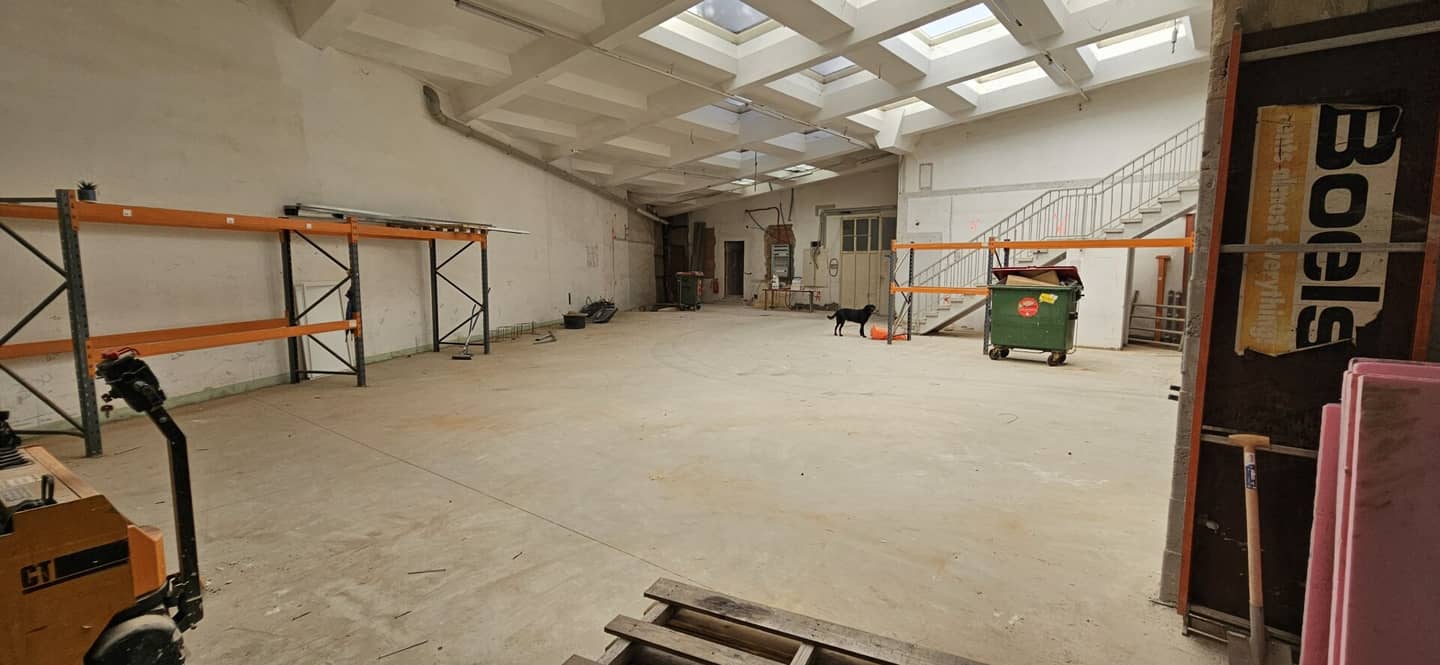
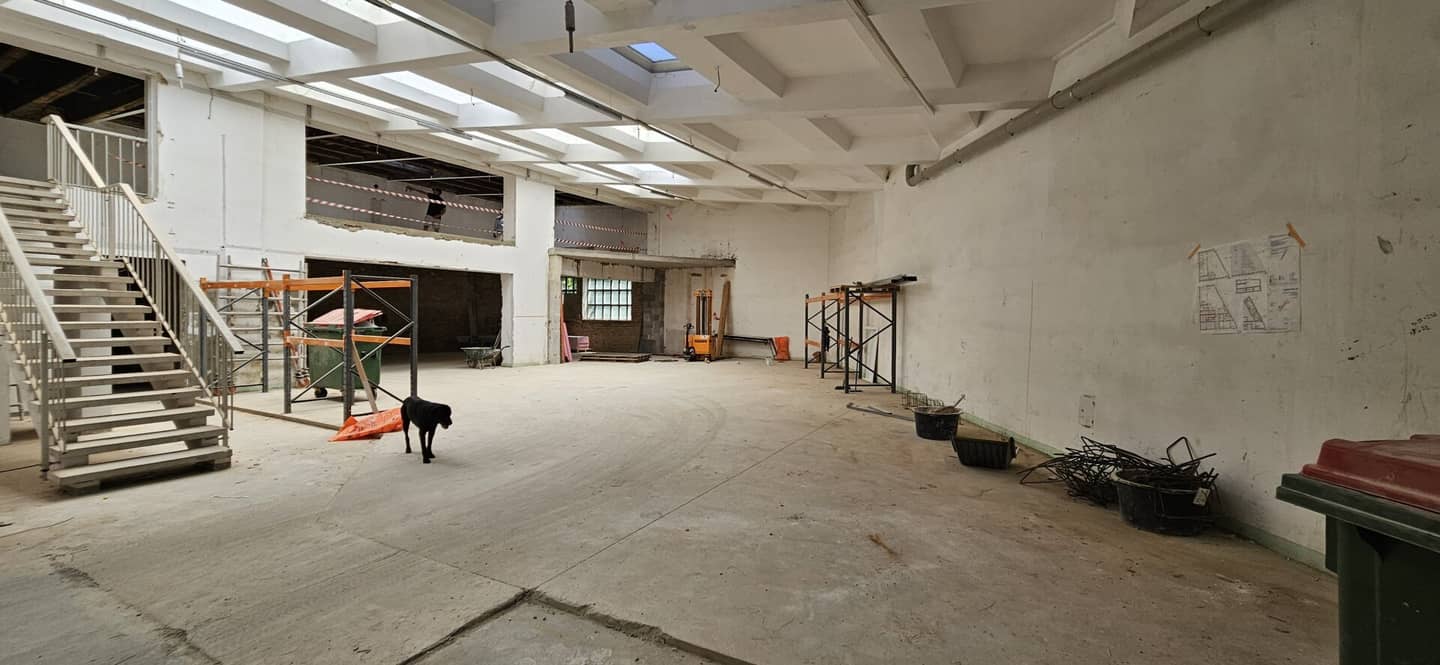
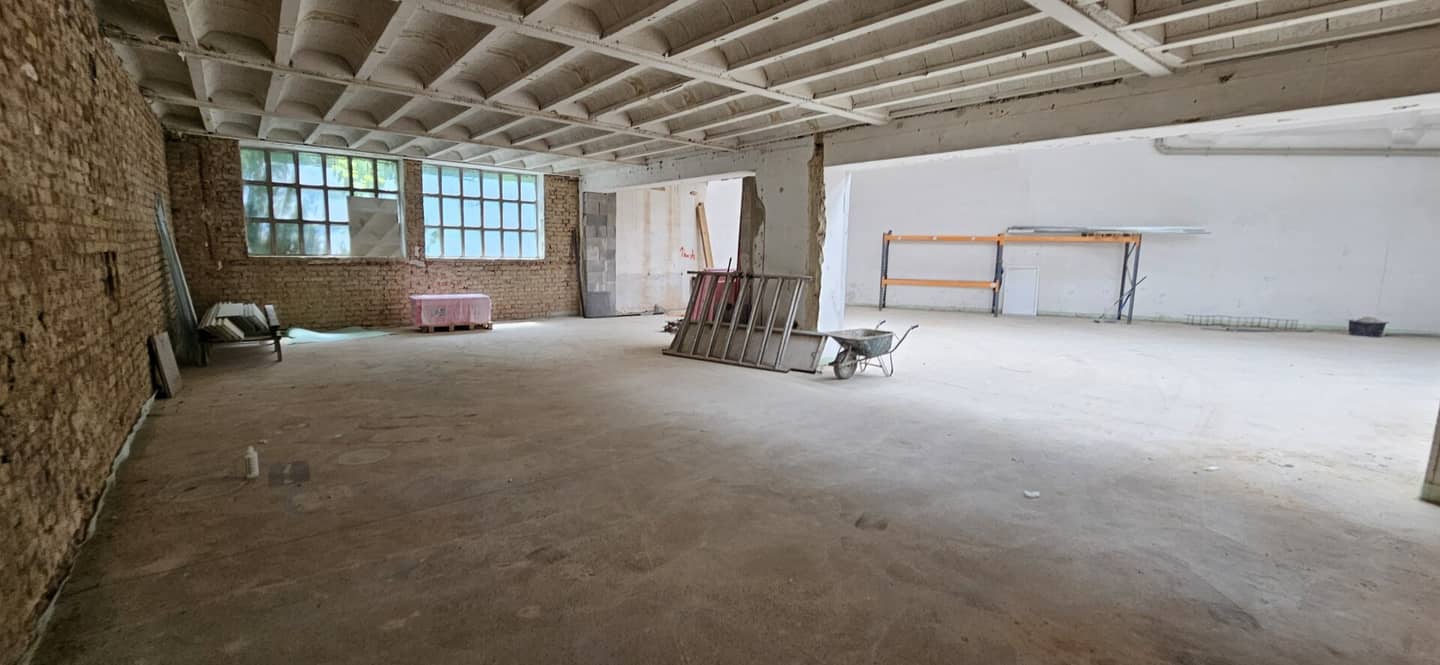
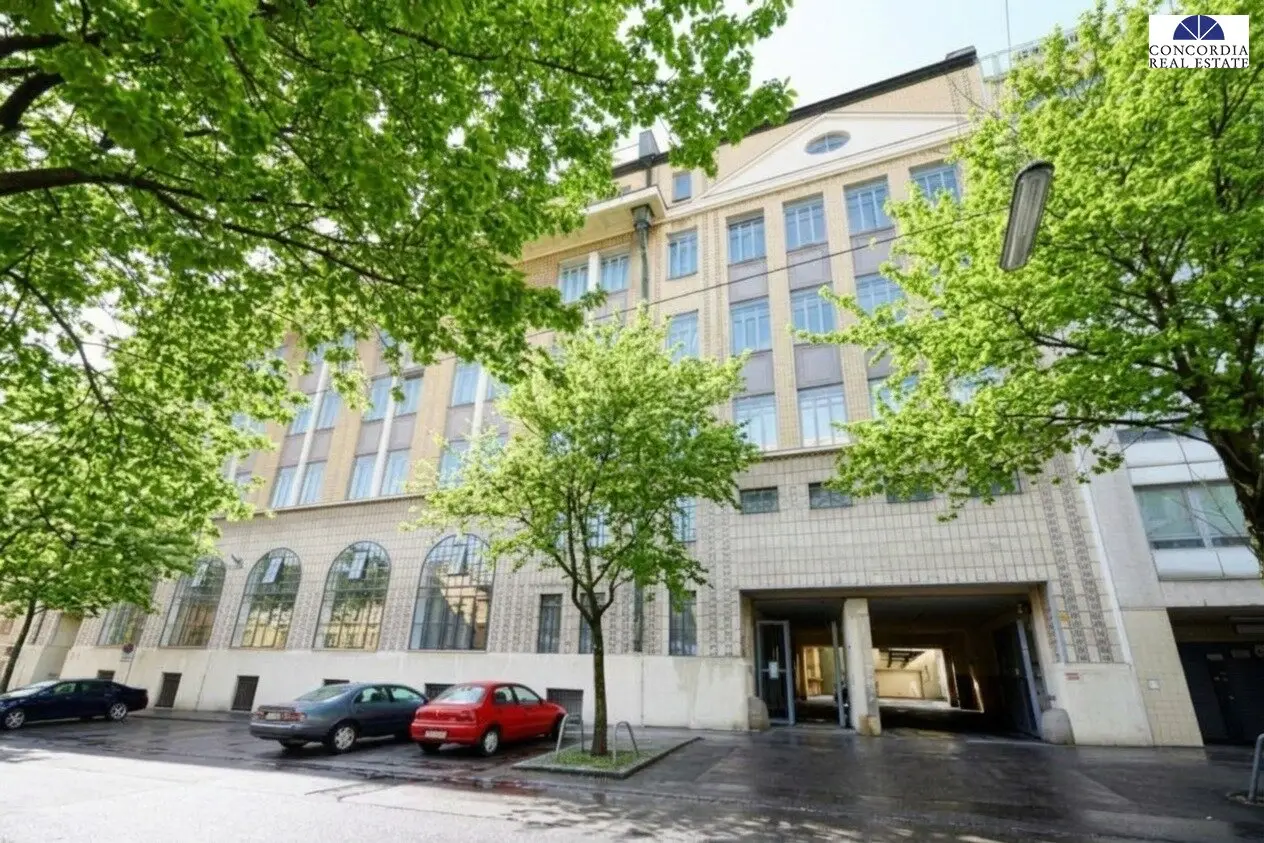
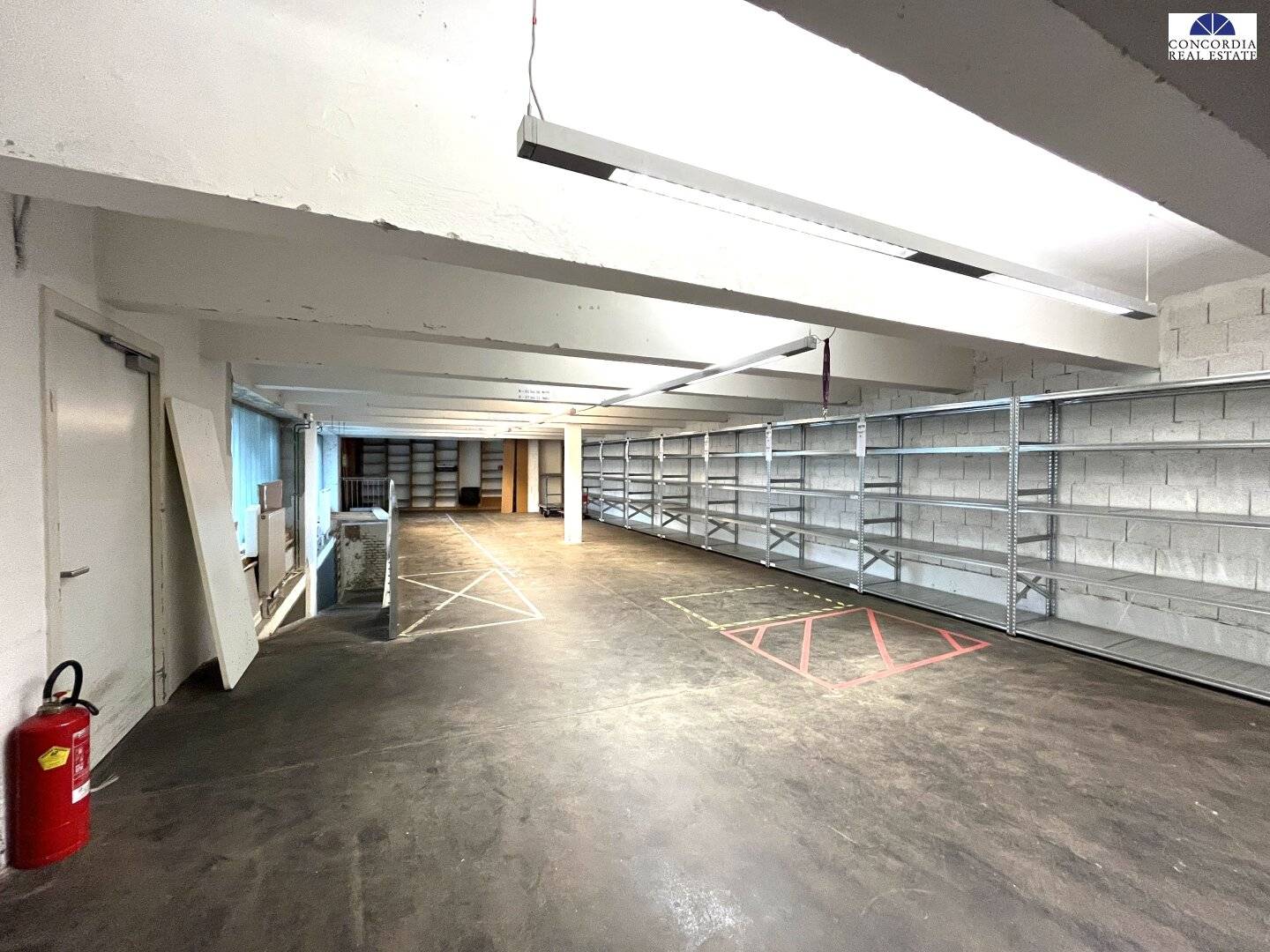
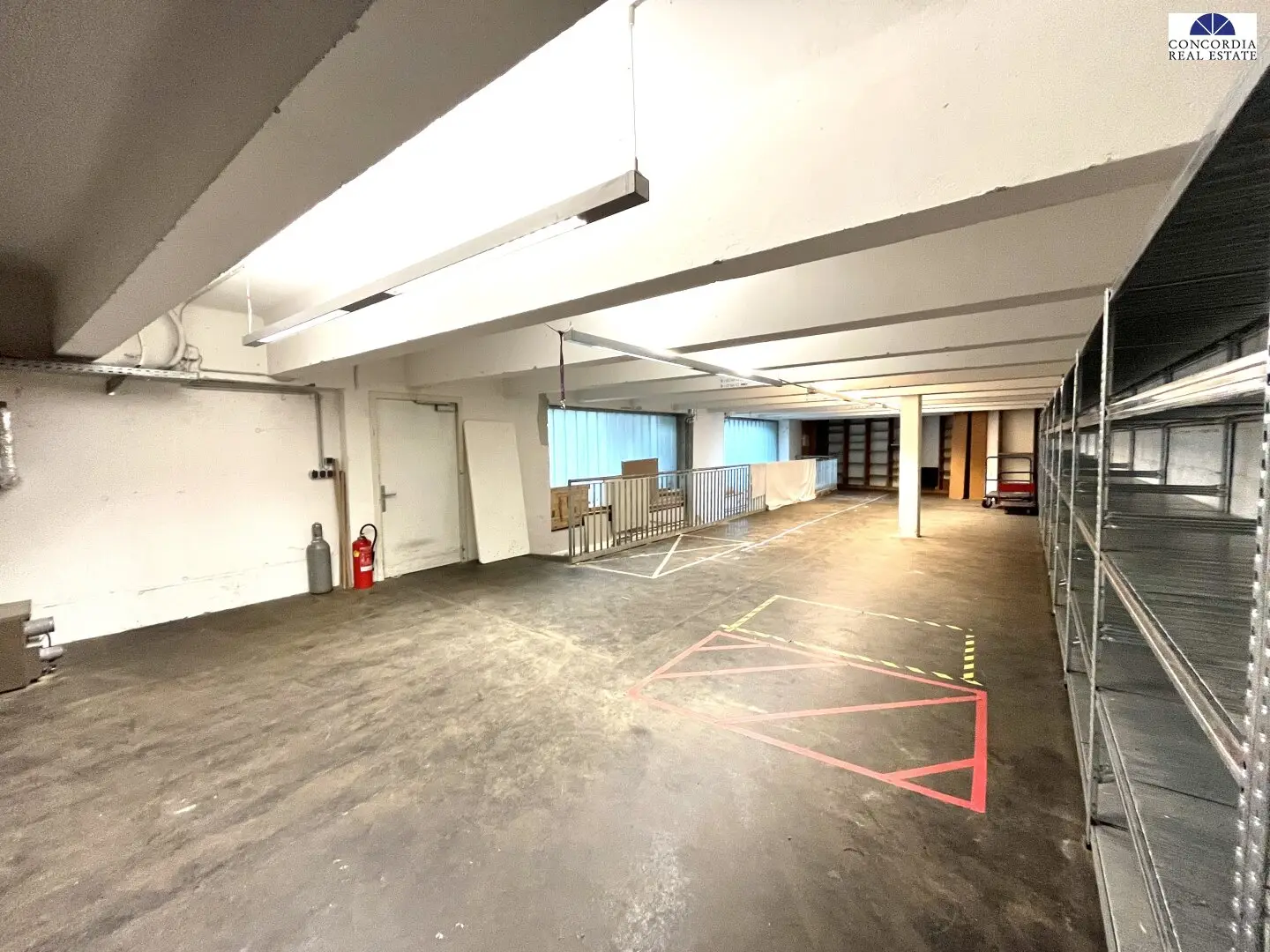
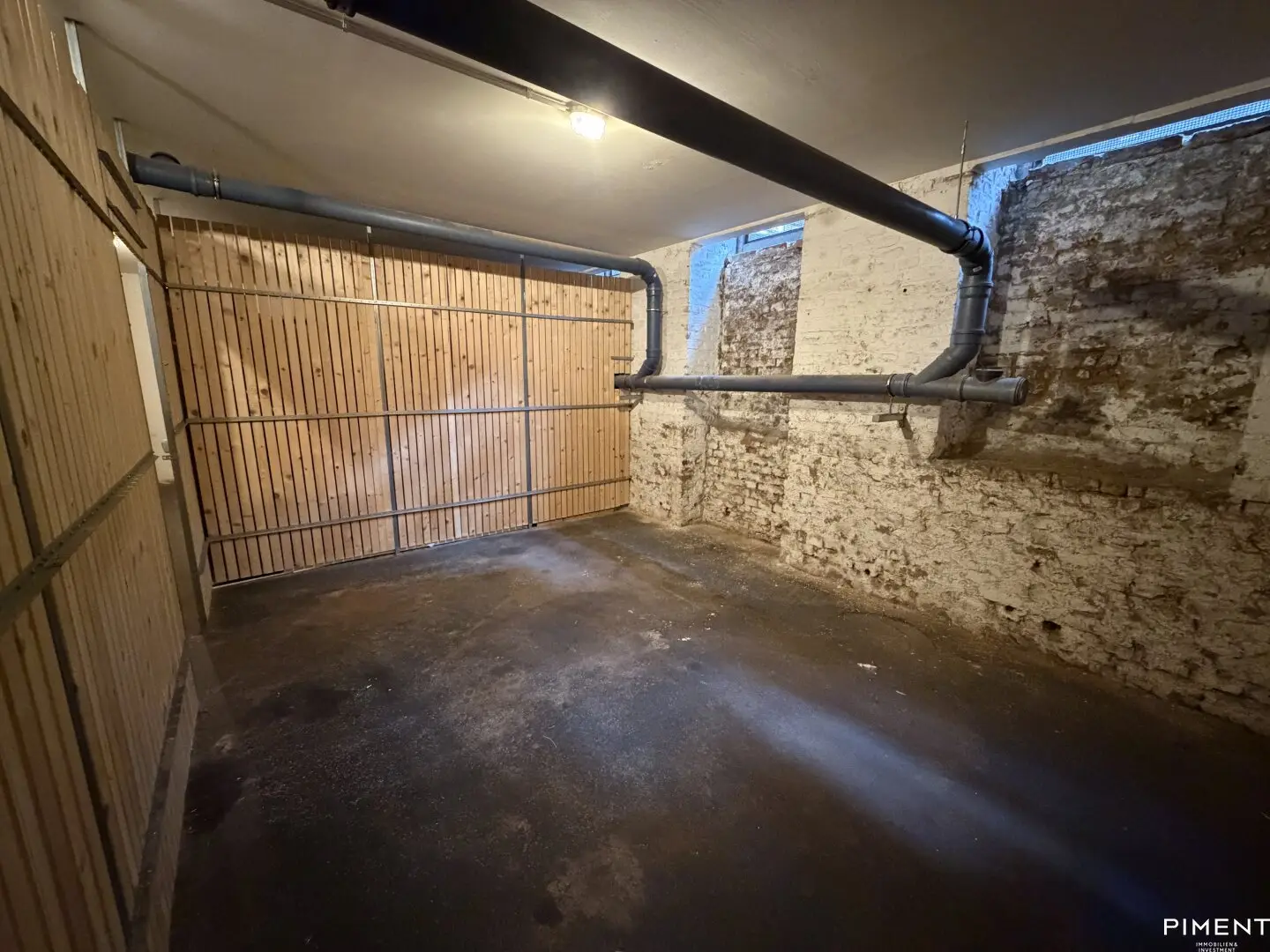
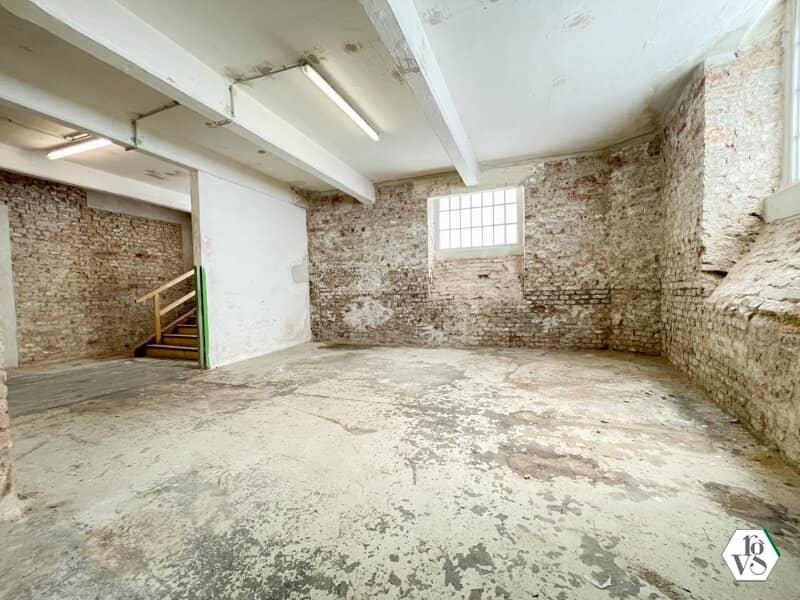
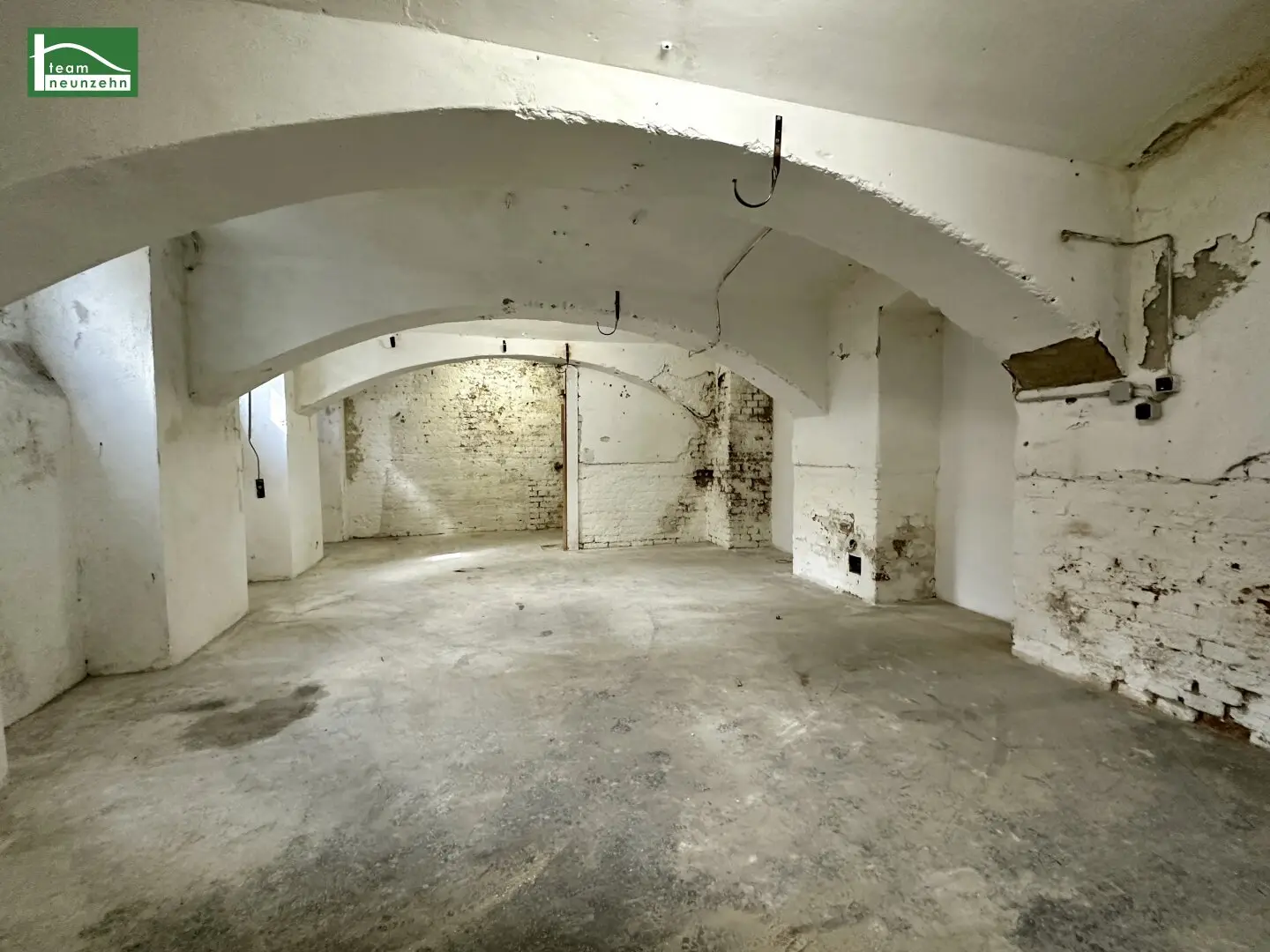
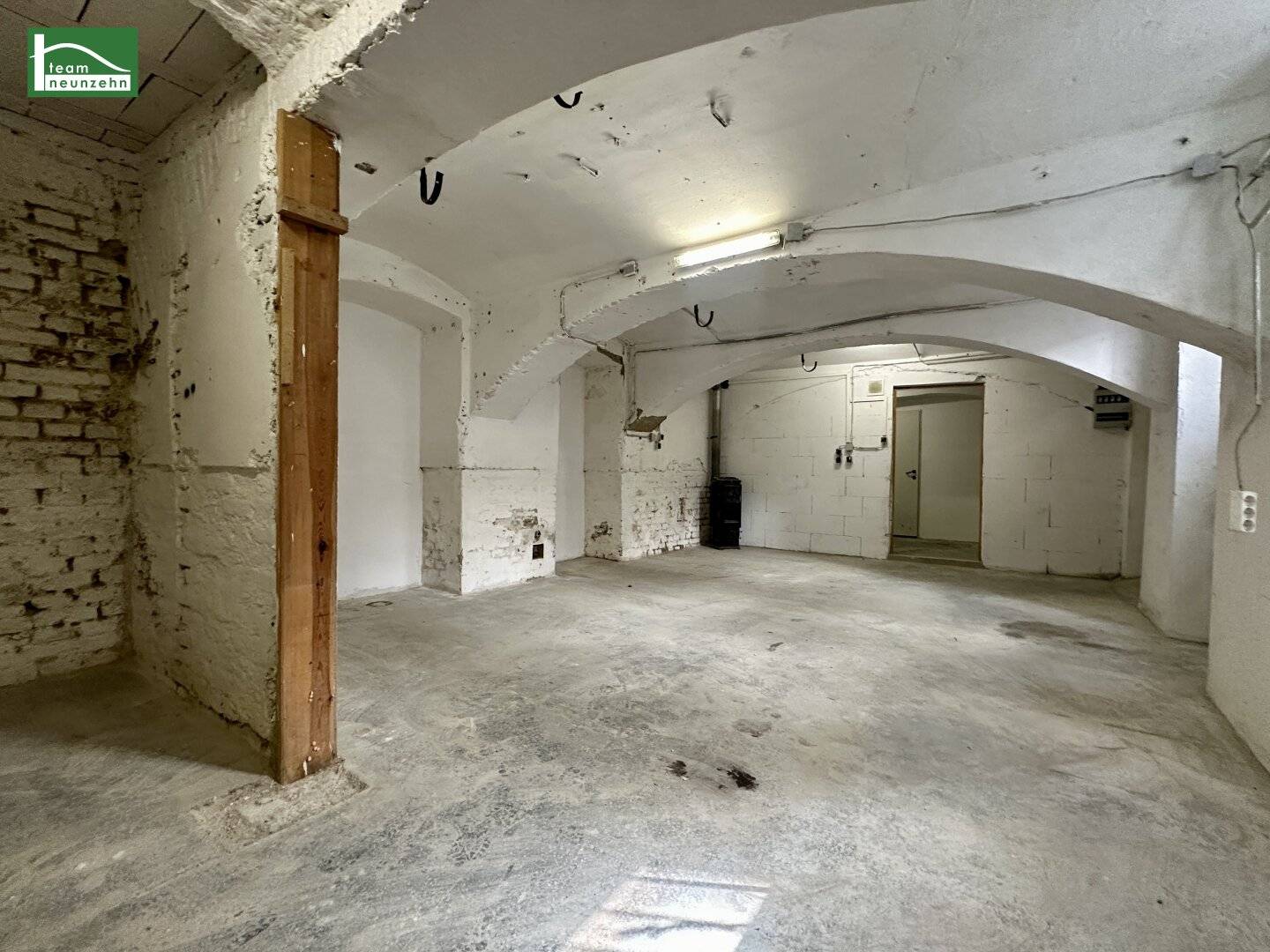
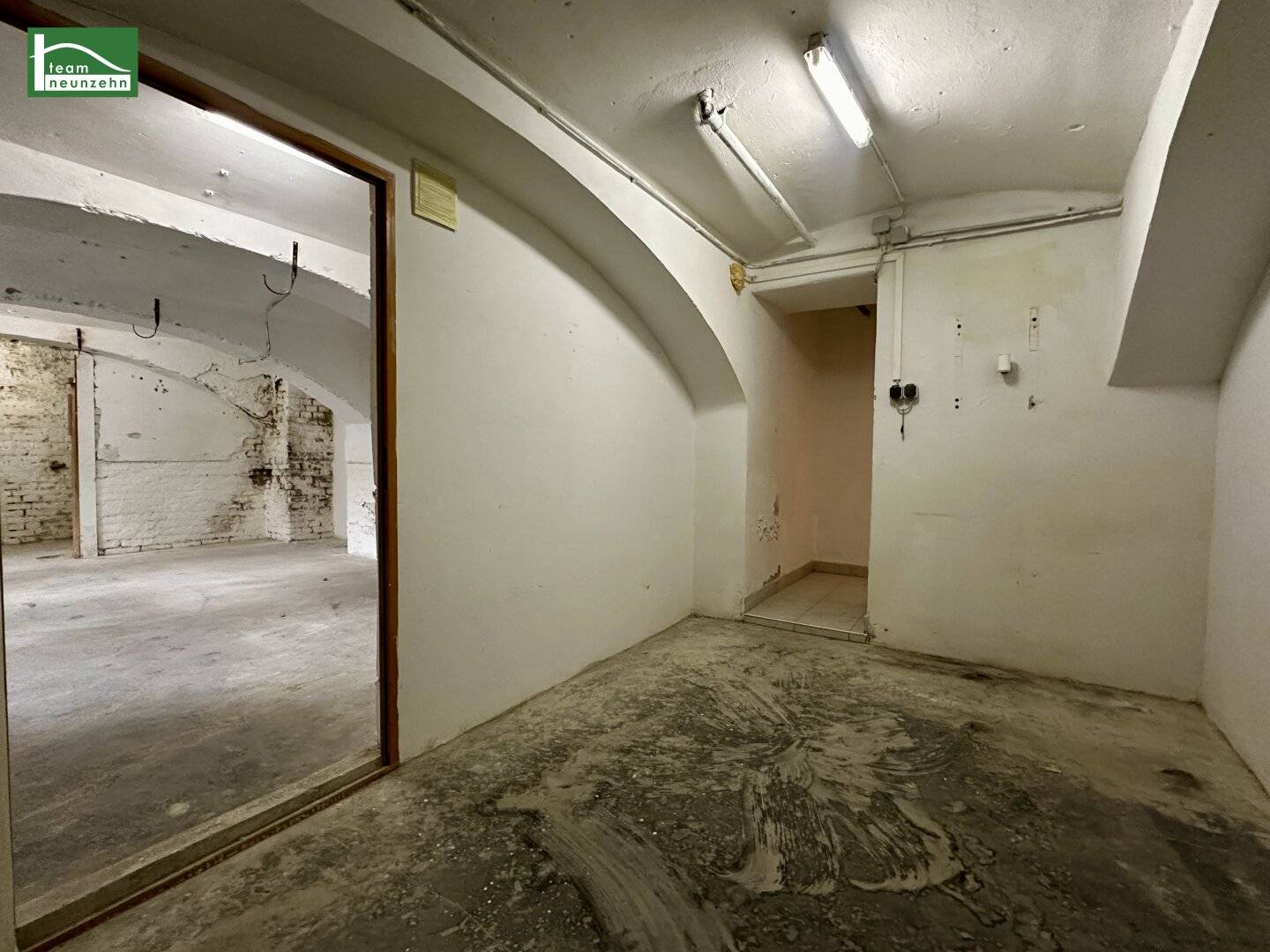
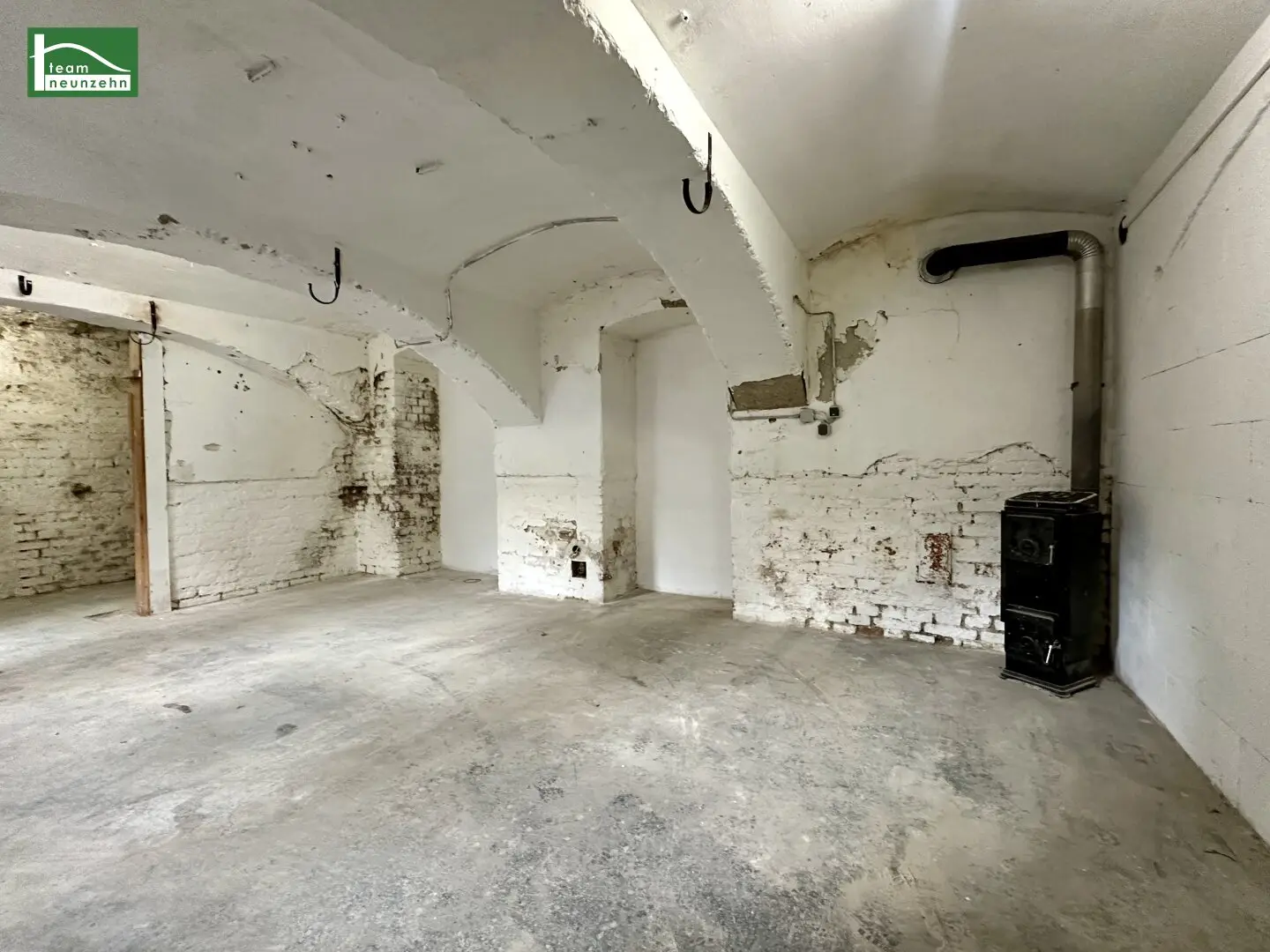
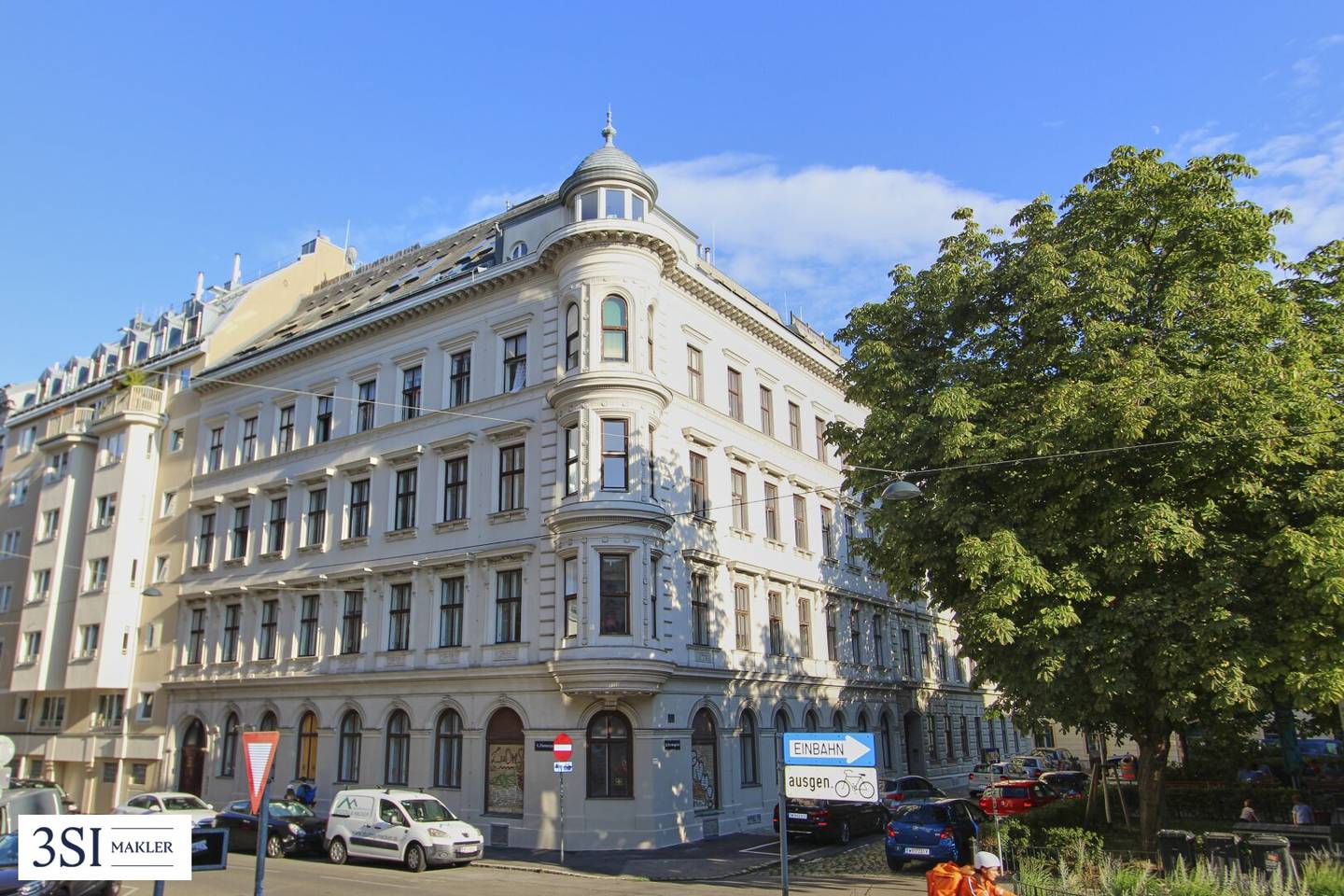
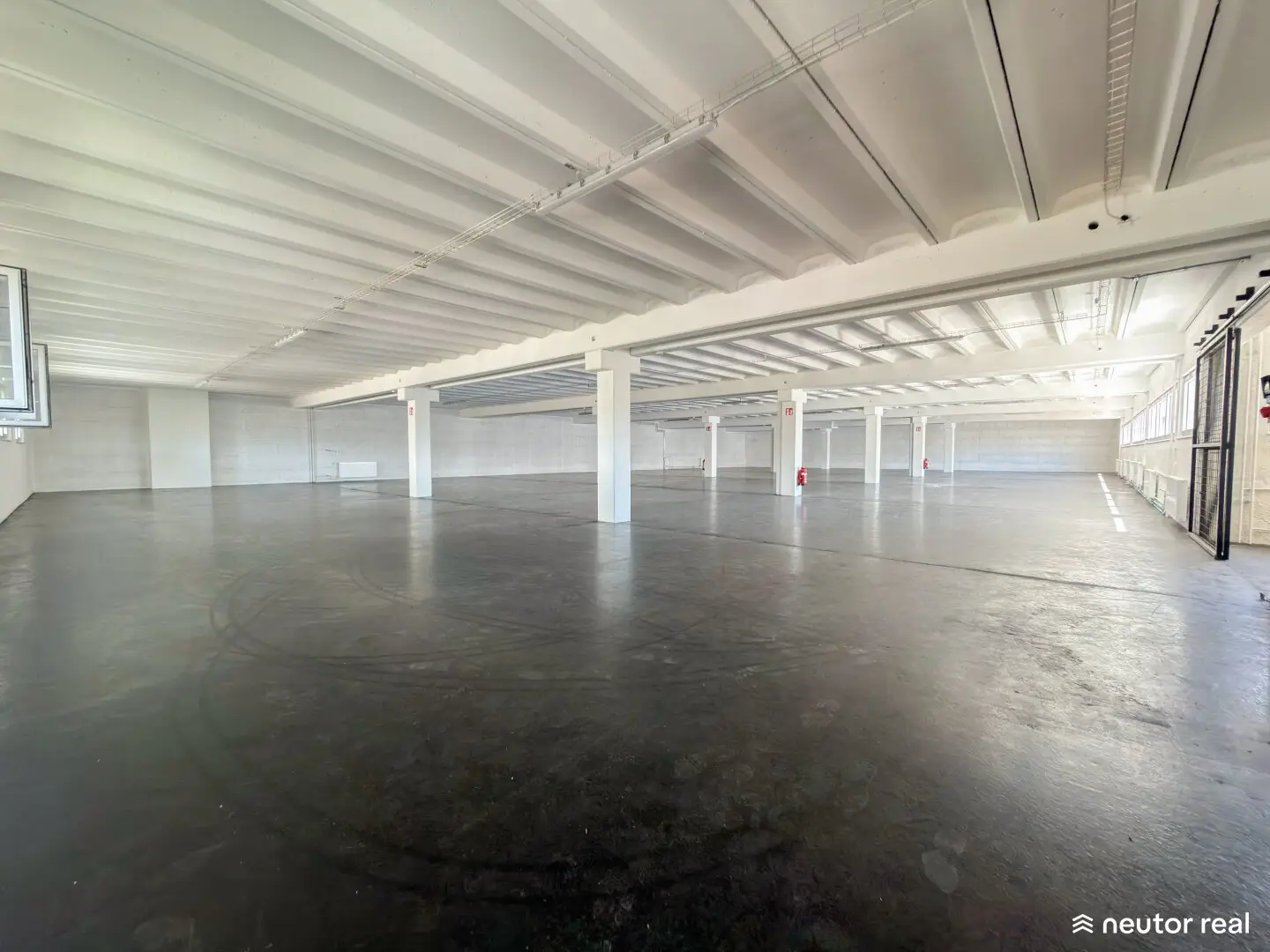
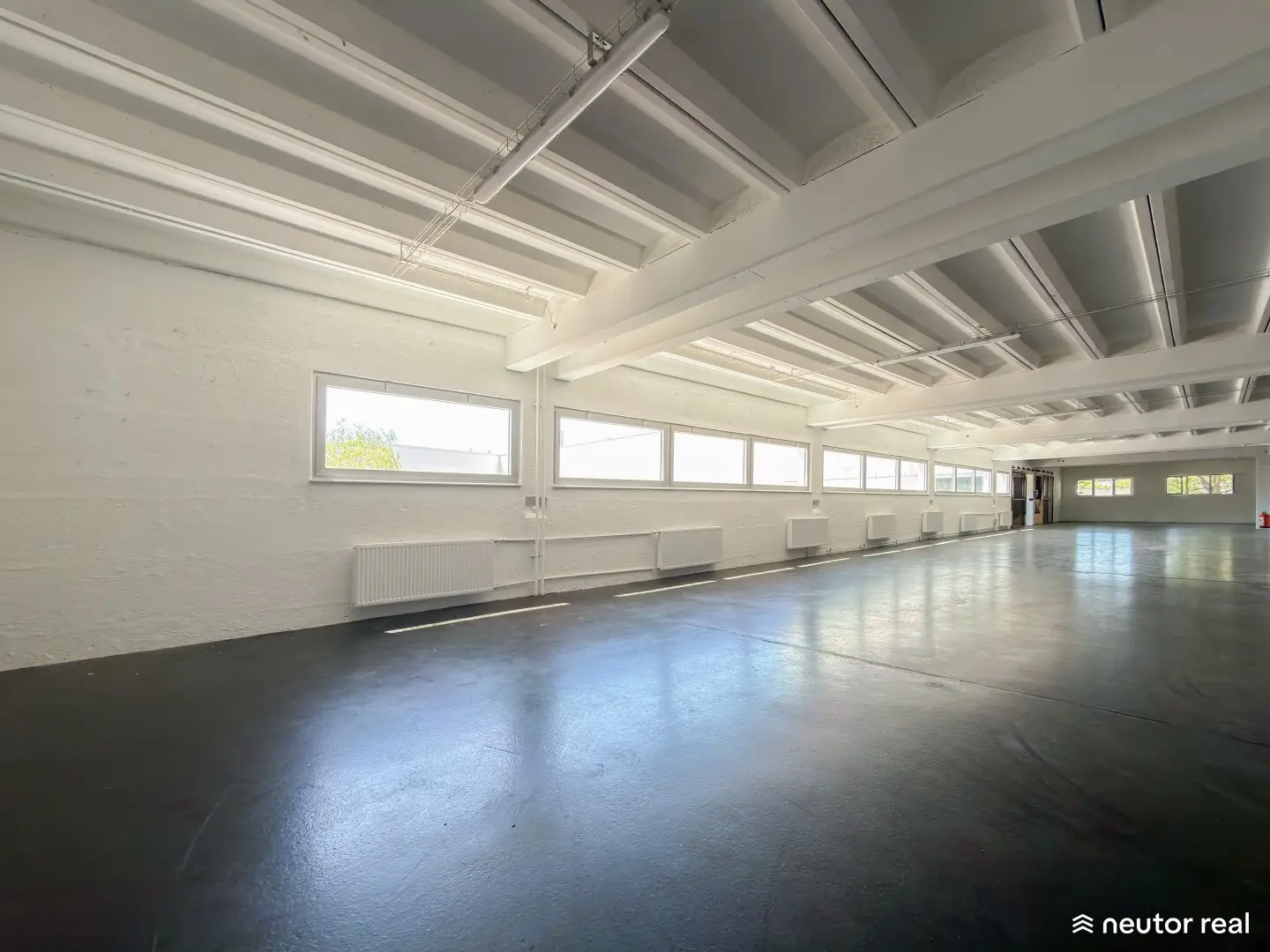
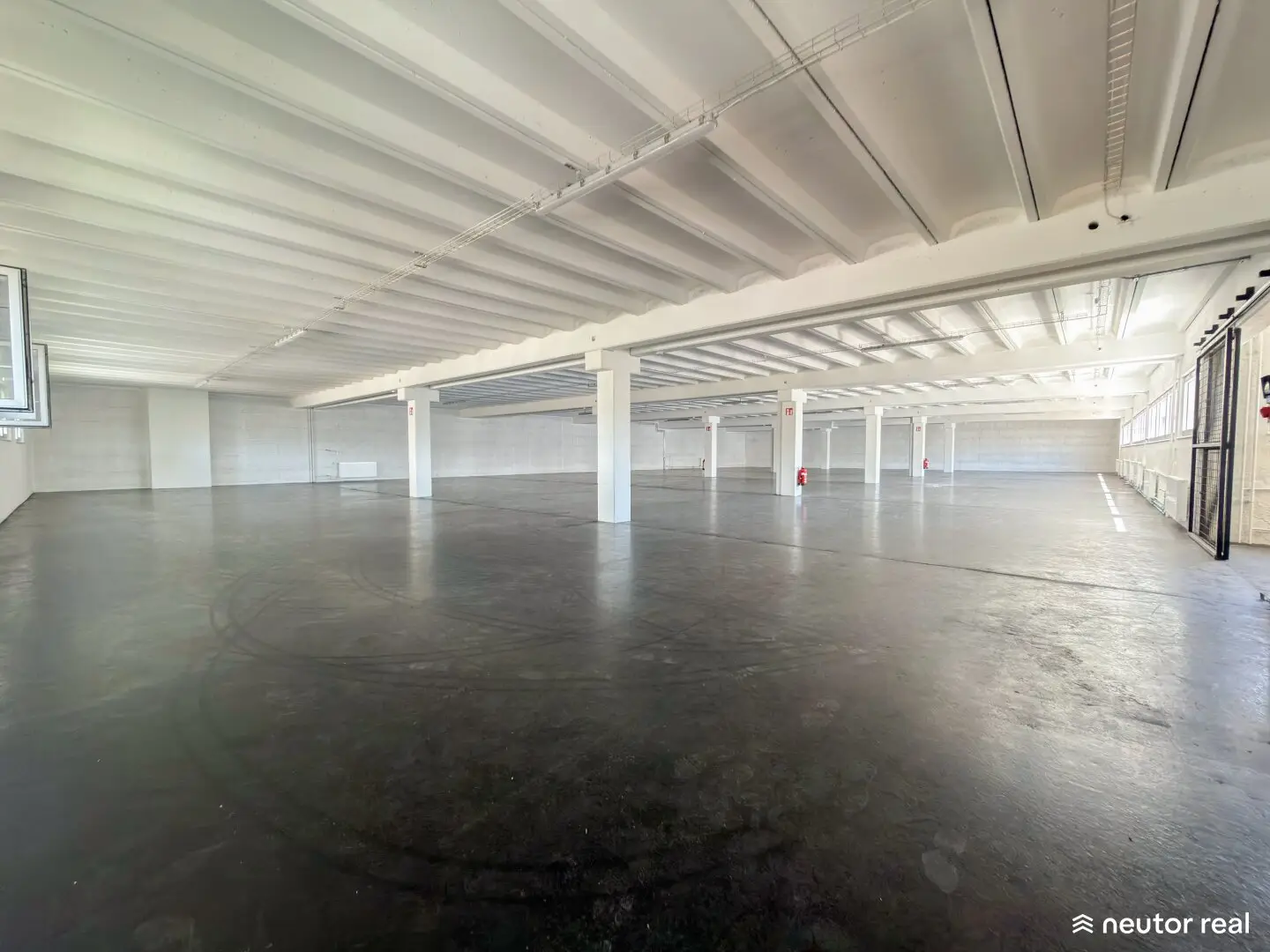
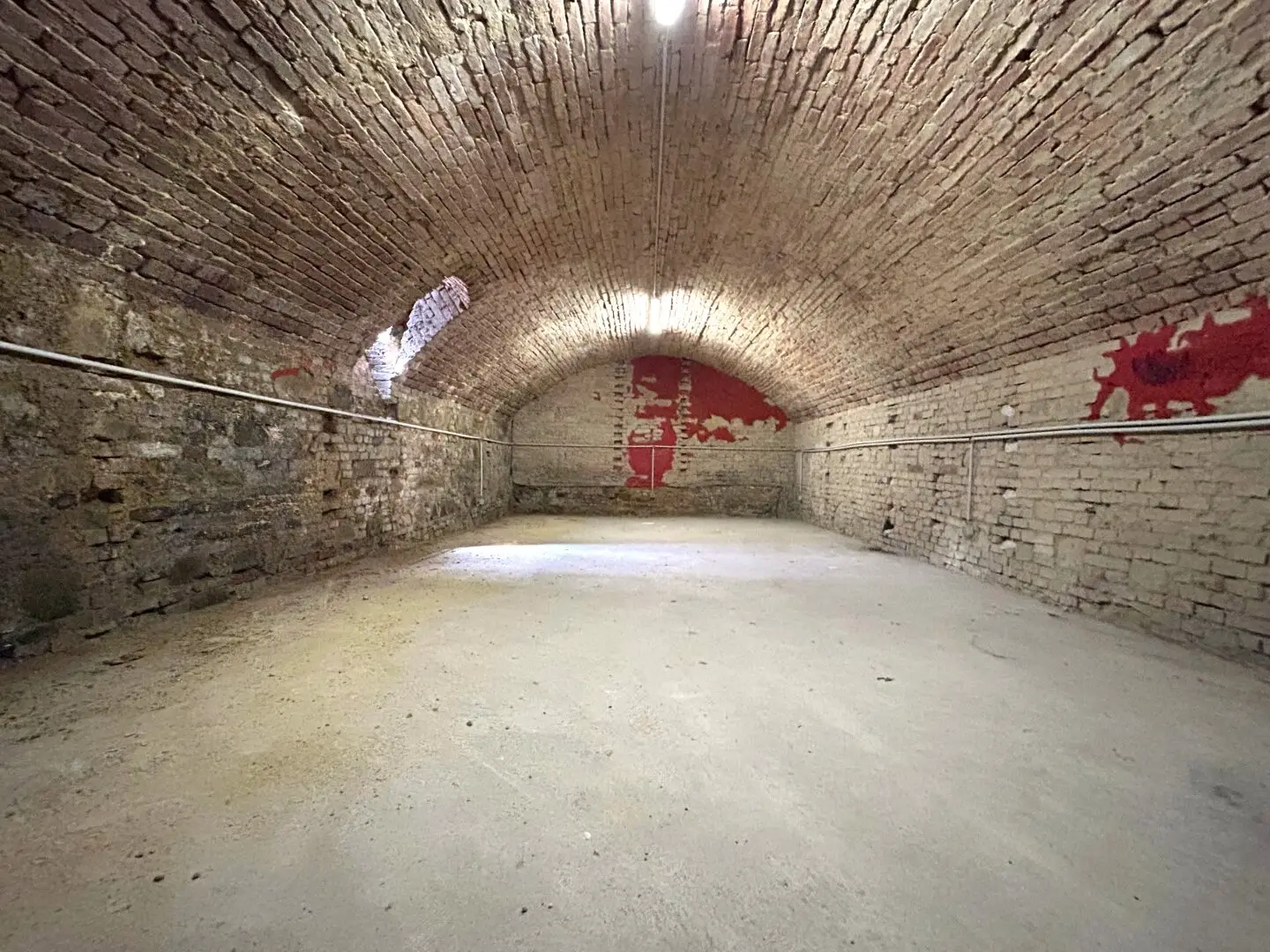
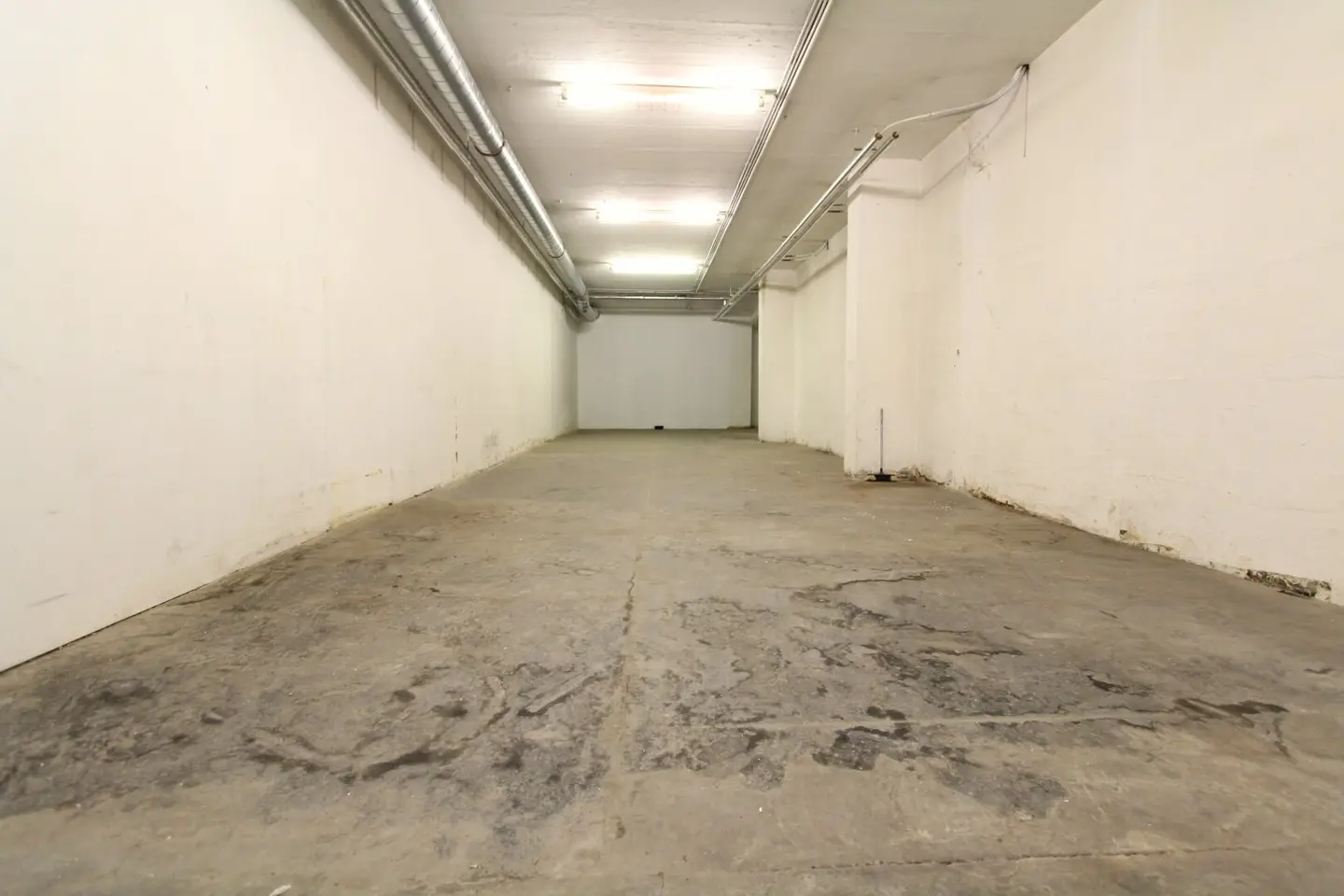
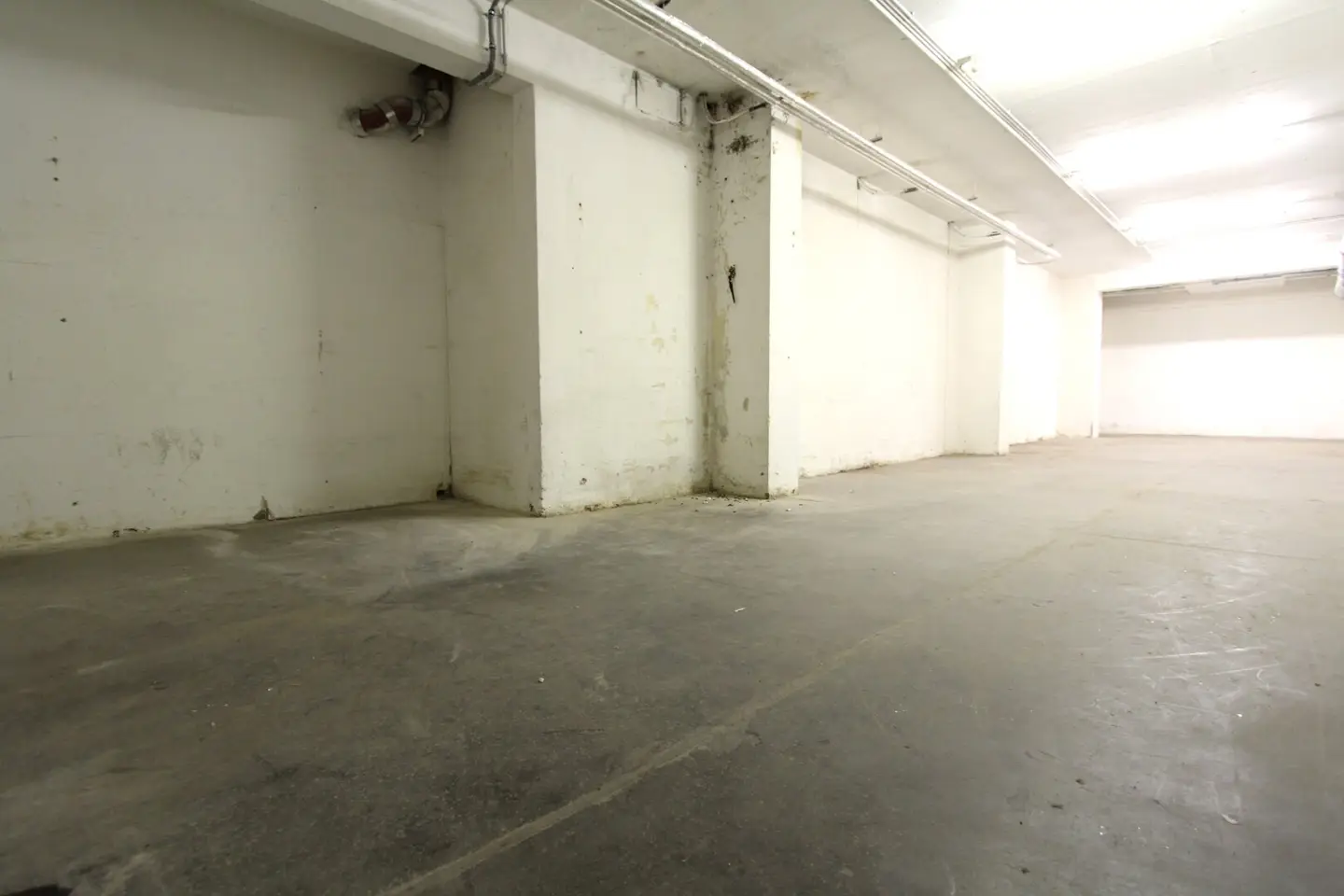
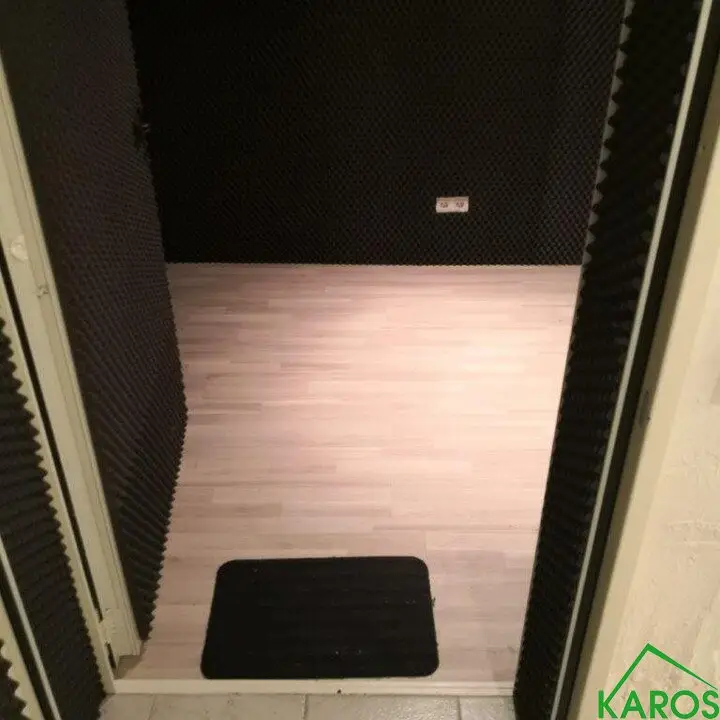
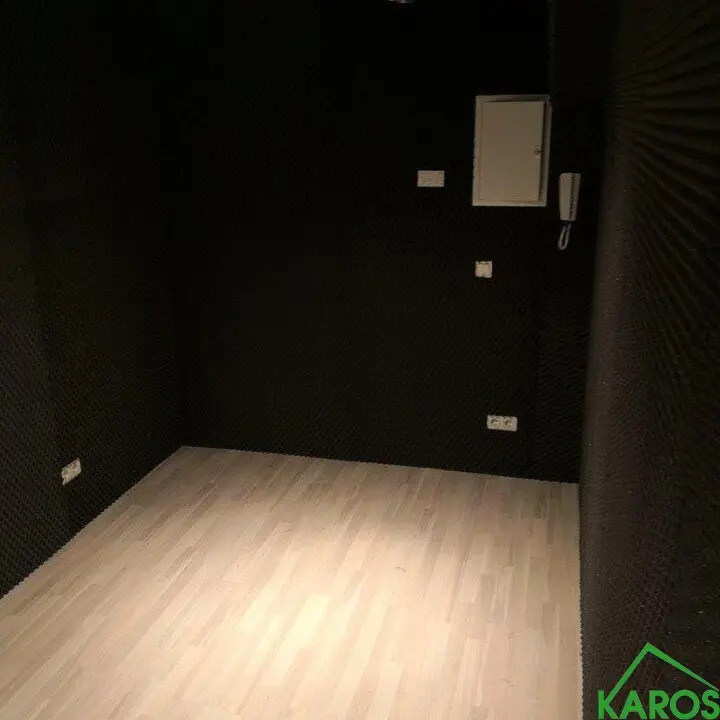
Warehouse & Storage for rent
100 m²1 Room
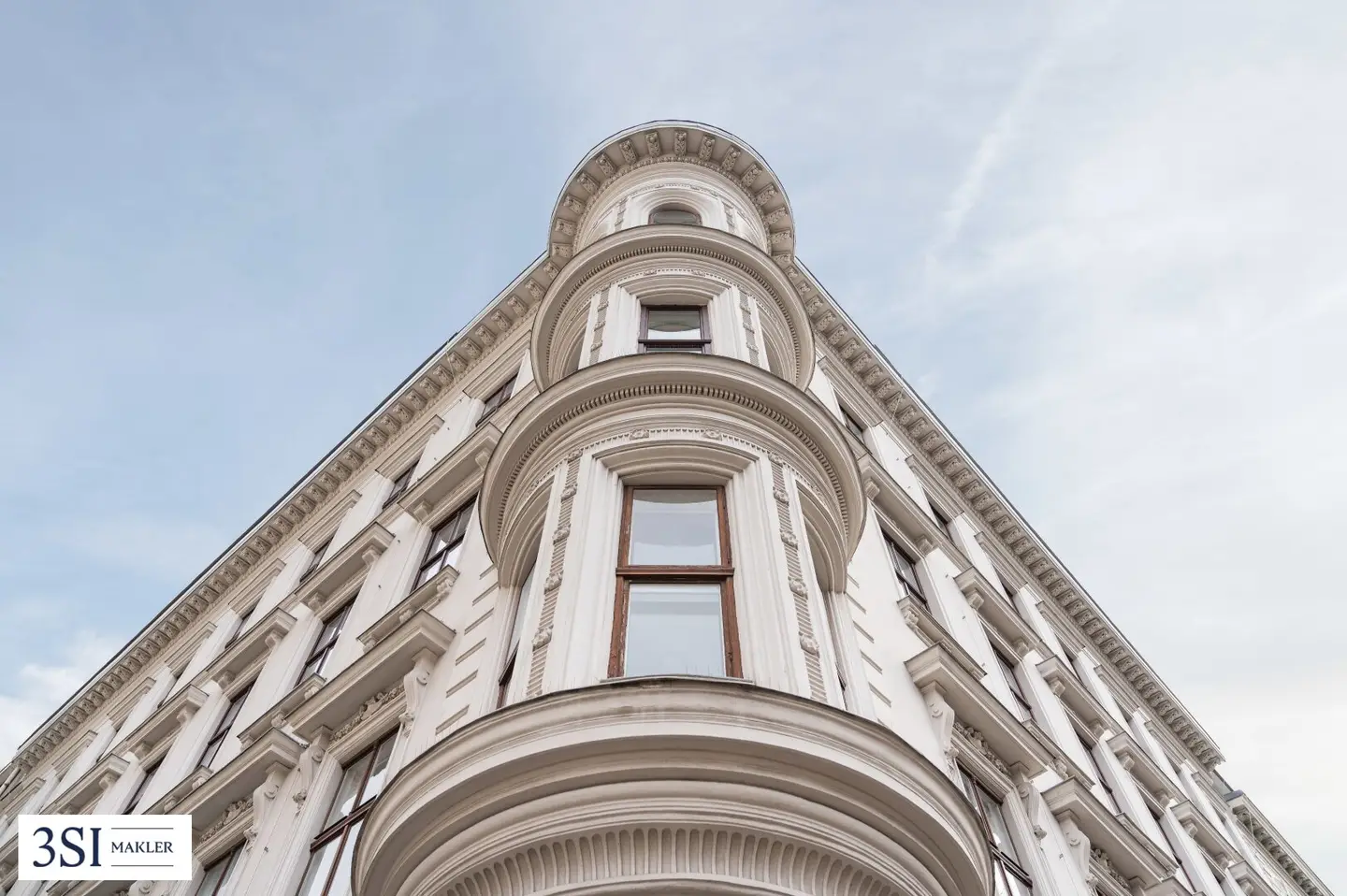
Neustiftgasse 73-75, 1070 Wien
Warehouse & Storage for rent
Neustiftgasse 73-75, 1070 Wien
Warehouse & Storage for rent
Neustiftgasse 73-75, 1070 Wien

Warehouse & Storage for rent
Cumberlandstraße 69, 1140 Wien

Warehouse & Storage for rent
Hasnerstraße 123, 1160 Wien
Warehouse & Storage for rent
Neustiftgasse 73-75, 1070 Wien

Commercial Space for rent
Lorenz-Mandl-Gasse 16, 1160 Wien

Commercial Space for rent
Paracelsusgasse 6, 1030 Wien

Retail Space for rent
Leystrasse 154, 1020 Wien
Retail Space for rent
Leystrasse 154, 1020 Wien

Commercial Space for rent
Schenk Danzinger Gasse 3, 1220 Wien
Retail Space for rent
Wassergasse 16, 1030 Wien

Warehouse & Storage for rent
Sautergasse 28, 1170 Wien

Commercial Space for rent
Bennoplatz 1A, 1080 Wien

Warehouse & Storage for rent
Sagedergasse, 1120 Wien
Warehouse & Storage for rent
Sagedergasse, 1120 Wien
Warehouse & Storage for rent
Cumberlandstraße 69, 1140 Wien

Warehouse & Storage for rent
Dietrichsteingasse 7, 1090 Wien
Warehouse & Storage for rent
Leithastraße 25, 1200 Wien

Warehouse & Storage for rent
Fickeysstraße 4, 1110 Wien
Commercial Space for rent
Fickeysstraße 4, 1110 Wien

Commercial property for rent in Vienna | Lystio
Those looking for a suitable property for their business in the Austrian capital face many questions and options. Vienna is, as the economic center of Austria, a sought-after location for offices, retail spaces and other commercial premises.
The term commercial property refers to all properties used for commercial purposes. This includes office space, retail space for shops or gastronomy, warehouses and production facilities as well as practice spaces (e.g. medical practices) and law firms. All of these objects are considered commercial properties because they are not for living, but intended for businesses.
In Vienna, as a vibrant economic location, rental properties for commercial use are particularly relevant. The city offers both representative historic offices in the city center and modern office towers in prime locations. At the same time, there are large areas for logistics, storage and production on the outskirts and in industrial zones.
This variety of property types and locations makes Vienna attractive for companies from a wide range of industries. Renting a commercial property in Vienna therefore means choosing the right property from a broad offering according to industry, size and needs.
Listings for commercial properties usually state the net rent (base rent excluding operating costs and taxes). In addition, there are the monthly operating costs for building management, heating or cleaning.
Commercial rents are often shown plus value-added tax (VAT), usually 20%, provided the landlord is subject to VAT. The total rent — i.e. the amount actually payable — is calculated from net rent and operating costs. Depending on location, property type and equipment, the rent per square meter can vary greatly.
Area and layout: A key feature is the size of the usable area (stated in square meters). The layout of the premises is also important. Does the property consist of several rooms or a large open space?
A well-thought-out room concept – whether an open-plan office or subdivided offices – significantly influences the working atmosphere. Open spaces promote communication, while separate rooms provide more quiet for focused work.
Equipment and infrastructure: Equipment of a commercial property includes all technical and structural features that make use comfortable. These include, for example, available heating and air conditioning, modern technical facilities such as IT cabling and sufficient sanitary facilities (private toilets). In multi-storey buildings, a passenger lift and accessible entrances are important features.
Location and surroundings also play a role: good infrastructure — for example proximity to public transport, motorway connections or customer parking — increases the location’s value. Parking spaces for customers and employees (parking lots or an underground garage) can be a major advantage, especially for offices and shops.
Extras such as a terrace, bright rooms with plenty of daylight or a pleasant view from the window increase attractiveness but are not available for every property. Tenants should also pay attention to the building: Is the commercial space on the ground floor (ideal for retail with high visibility) or on an upper floor?
Does the building have multiple floors and how are they connected? Such factors can be decisive depending on the type of use. Last but not least, the energy performance certificate is an important point: it indicates the building’s energy efficiency and must be presented by the landlord when the lease is signed.
Vienna is divided into 23 districts, ranging from the historic center to peripheral industrial areas. The location of a commercial property is one of the most important influencing factors on its suitability and the rental price.
In central districts (the inner city and surrounding areas), prestigious addresses are particularly sought after — many company headquarters, law firms and businesses that value prestige are located here. Such prime locations offer proximity to decision-makers and customers, but rents are correspondingly higher.
In the outer districts and on the outskirts, tenants benefit from larger space at comparatively lower cost. There are often modern business parks or areas with lots of space available there, ideal for storage and production.
Depending on the property type, different location factors play a role. Offices and practices (e.g. medical practices) should be easily accessible for employees as well as customers or patients. A central location with good public transport connections (subway, bus) and infrastructure such as nearby restaurants can improve working quality.
Retail premises and shops also require high visibility and customer footfall — pedestrian zones or shopping streets in busy districts are optimal here. For logistics and production companies, transport-related aspects are more important: proximity to motorways, access for trucks and sufficient outdoor space. Thus, each industry has its own requirements for the location of a commercial property in Vienna, and the city offers suitable sites for almost every district.
A commercial property is an object that is not used for living but for business or commercial purposes. Examples include office space, retail and shop premises, warehouses, medical practices or law firms.
In short: Any property that serves as a company’s location falls under the term commercial property.
Costs typically consist of net rent, operating costs and value-added tax. The net rent is the base amount for using the space. Added to this are operating costs (for building operation, property management, etc.) and usually 20% VAT, if the landlord opts to charge VAT. One-off items to consider include the security deposit (often 3 to 6 months’ rent as a security) and possibly the broker commission if a broker is involved.
Commercial rental offers usually state the net rent because landlords of commercial properties are subject to VAT. The net rent is the amount without VAT. VAT (currently 20%) is then added to this amount to arrive at the gross rent.
For many commercial tenants this is useful because, as businesses, they can often deduct the VAT paid as input tax. Stating the net rent makes it transparent which portion of the rent is paid to the landlord tax-free.
Yes. In Austria it is legally required that a valid energy performance certificate must be presented when a property is rented out.
Real estate listings must already indicate the heating demand (HWB) and the overall energy efficiency factor (fGEE). The tenant receives the energy performance certificate from the landlord no later than when the lease is signed. This document provides information about the building’s energy efficiency and is valid for 10 years.
Not necessarily. In principle, you can search for suitable properties without a broker — for example via online portals, business networks or direct listings from landlords. However, a broker can simplify the search effort and provide access to a wider range of offers. They coordinate appointments, advise on contract negotiations and know the market.
Many landlords in Vienna work with brokers, so many attractive commercial properties are listed through brokers. Whether you engage a broker therefore depends on the service you want and whether you are willing to accept the possible commission.
Customer support and general inquiries. Replies within one business day.
For agents, real estate companies, or technology partners
© 2024-2026 Lystio GmbH, All rights reserved
1,201 commercials for rent in Vienna. Compare districts, property types and states.