Markus Damej
ViennaEstate Makler GmbH
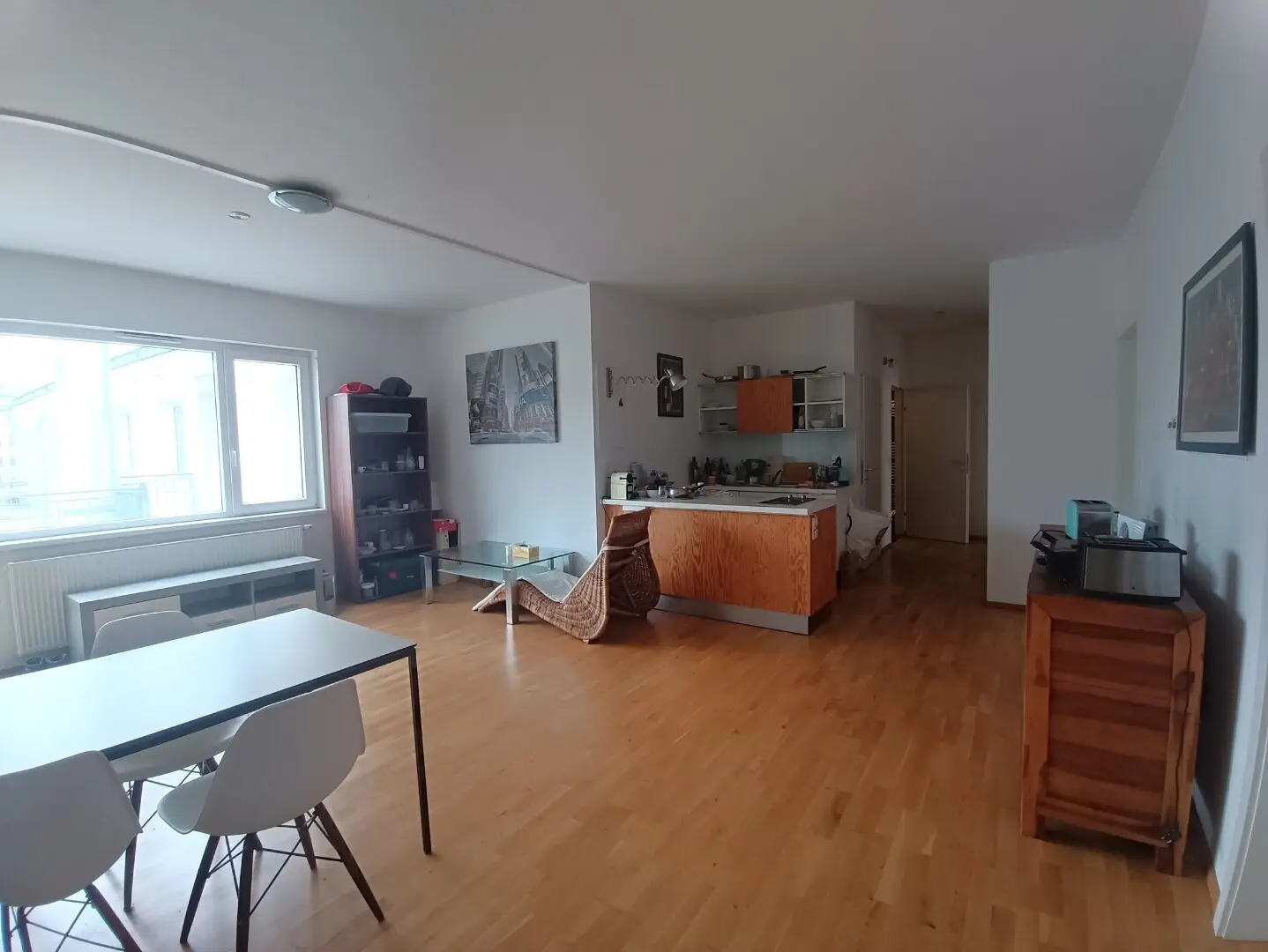
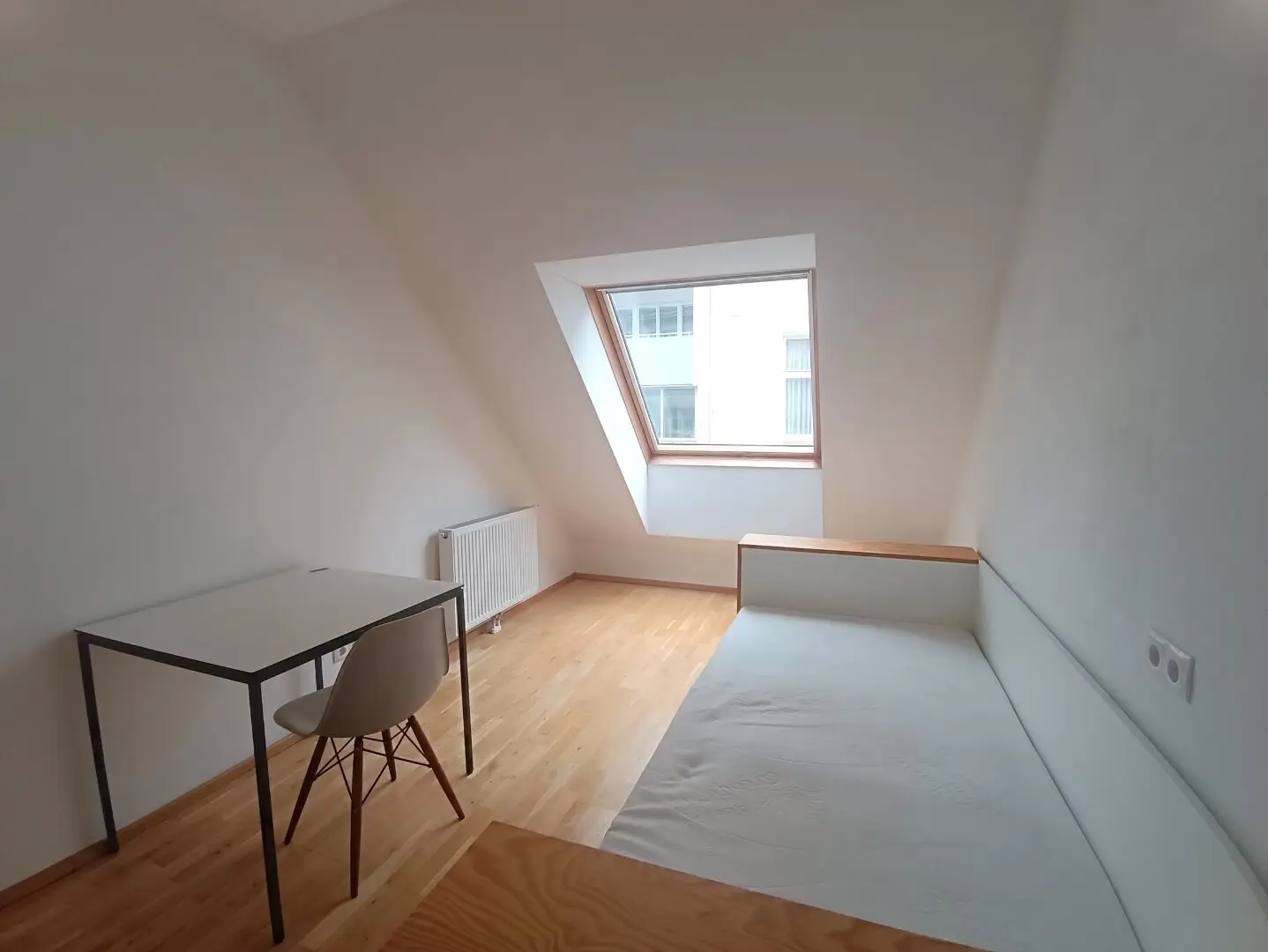
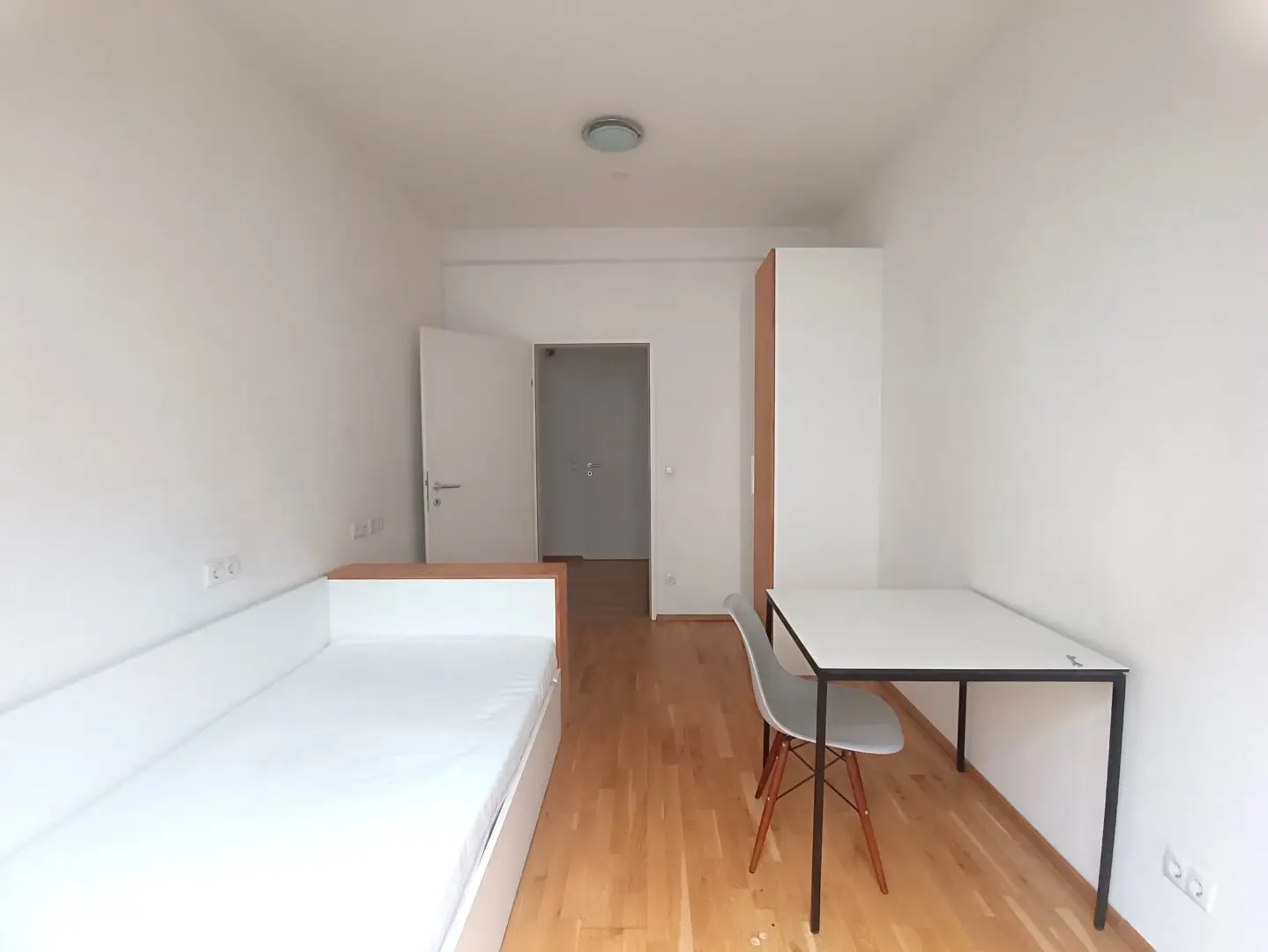
1 w ago
699€/month
21€/m²
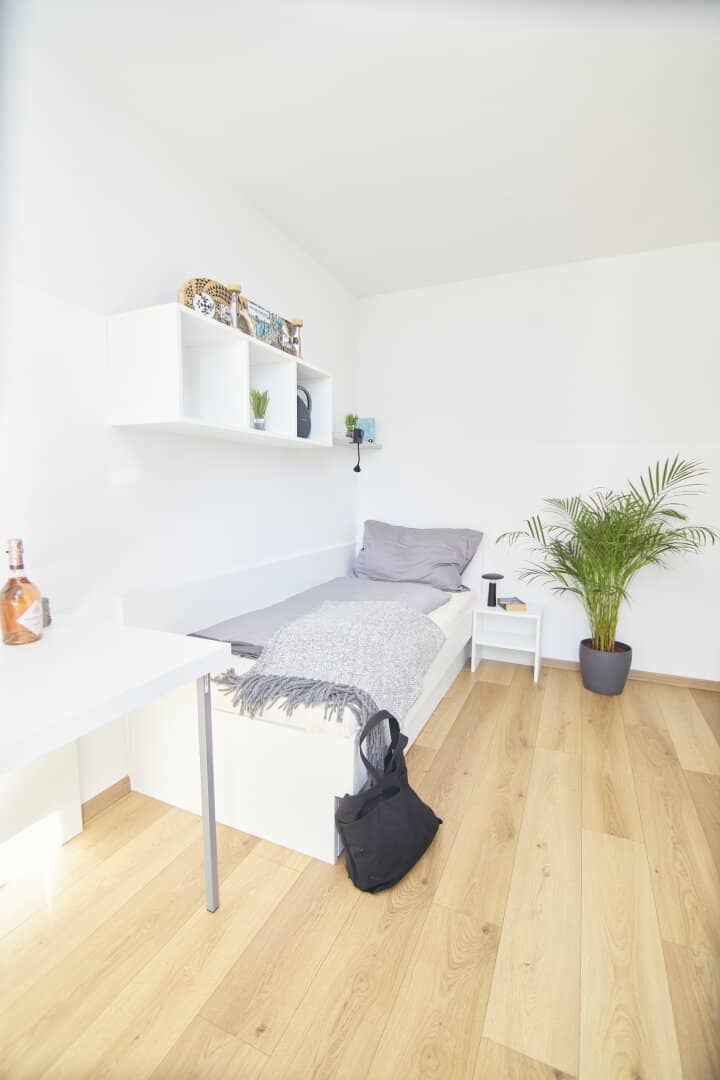
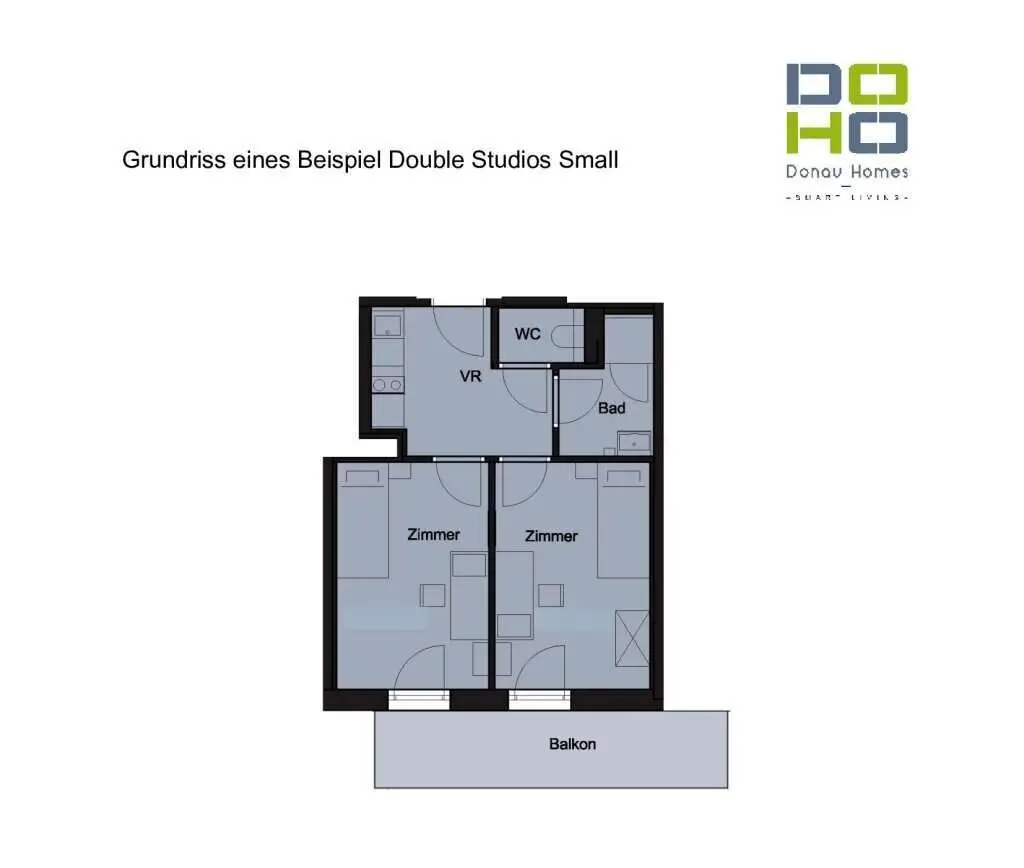
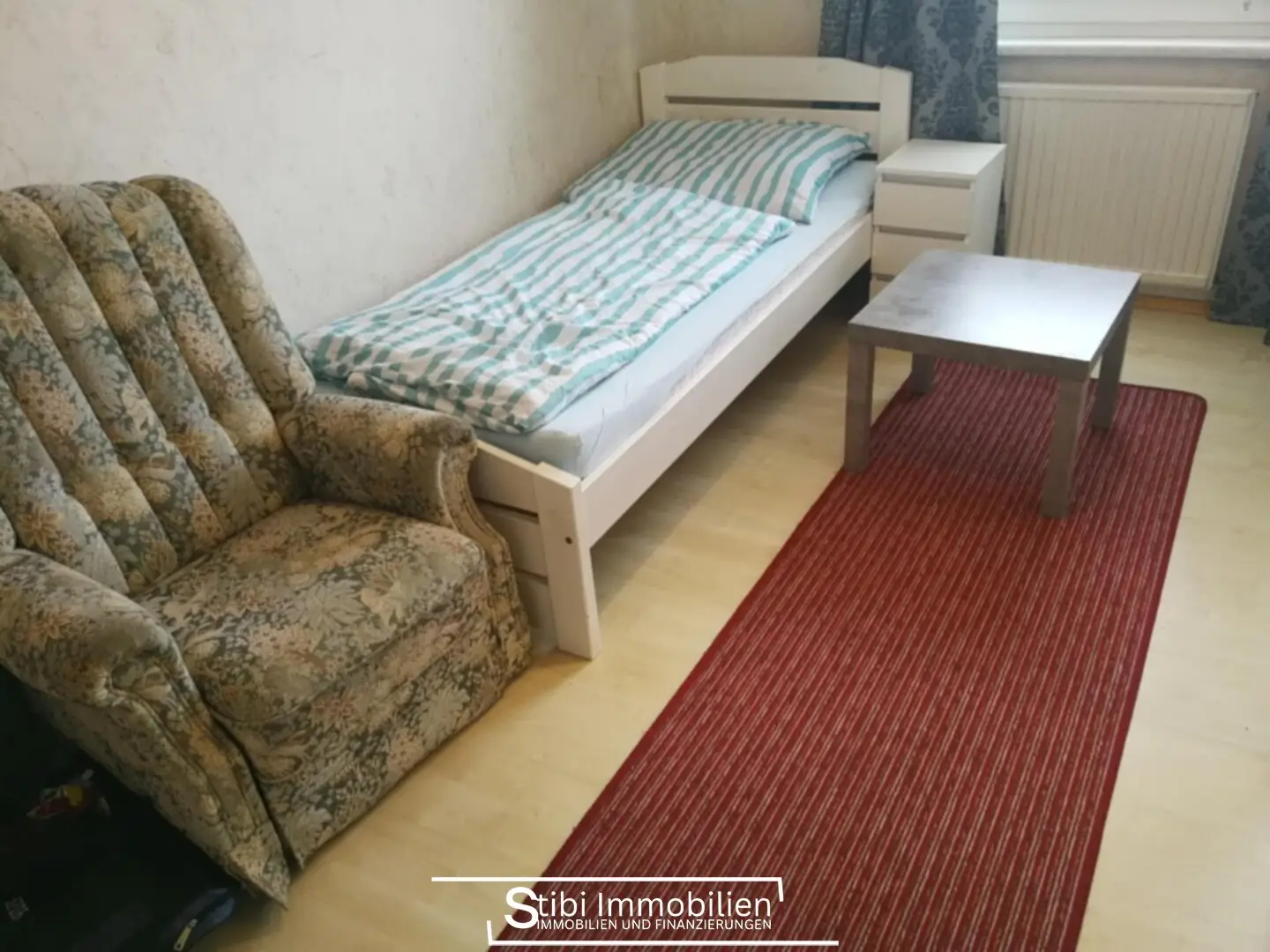
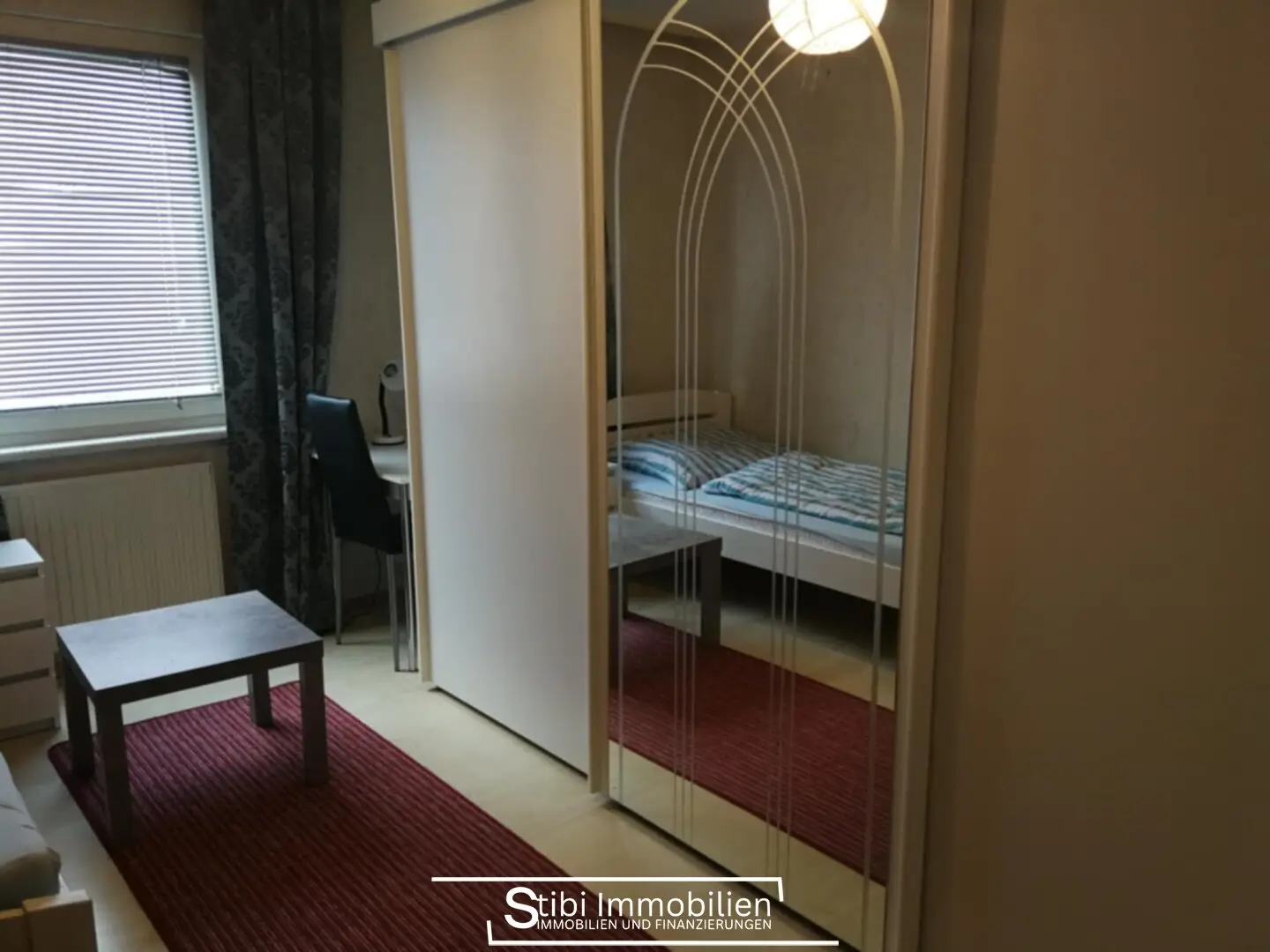
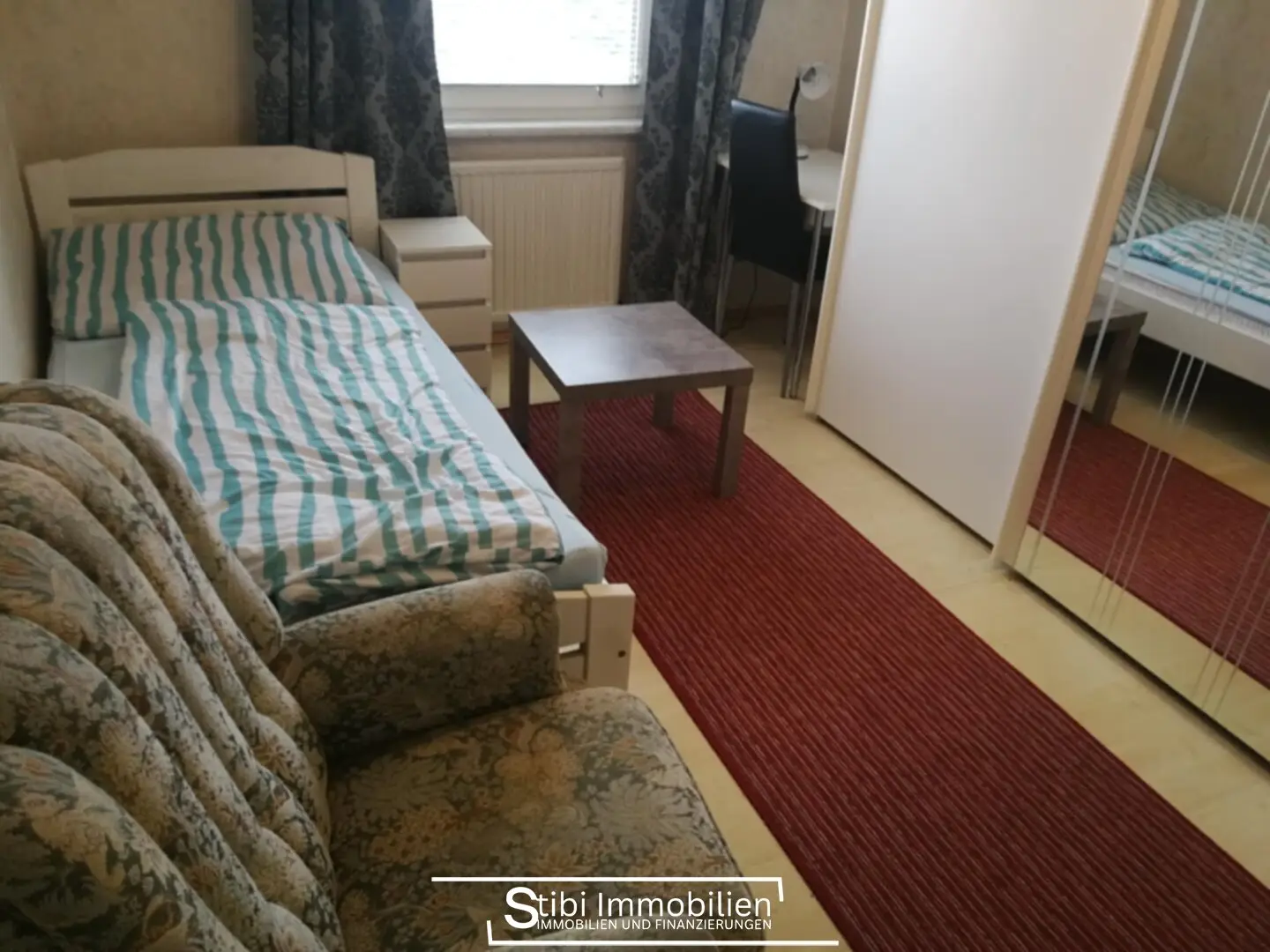
Room for rent
33 m²1 Bath
Reisnerstraße, 1030 Wien
Room for rent
Reisnerstraße, 1030 Wien

Multi unit
Kaisermühlenstraße 12, 1220 Wien

Room for rent
1010 Wien

Room for rent
1120 Wien

Apartment for rent
Leystraße, 1020 Wien

Room for rent
Brünner Straße, 1210 Wien

Room for rent in Vienna | Lystio
Vienna attracts many people with its quality of life and numerous education and job opportunities. For newcomers and locals looking for a affordable accommodation, a room in a shared flat (WG) is often the ideal solution.
Especially students and young professionals often decide to rent a room in a shared flat in Vienna to save on housing costs and live communally.
Living together in a shared flat (WG) is widespread in Vienna. Whether in a period apartment (Altbau) with high ceilings or in a modern new-build apartment – shared flats can be found in almost every district.
Students in particular often choose a room in a shared flat because the rent for a single apartment in Vienna can be high. Instead of living alone, flatmates share the costs for rent, electricity and heating as well as everyday life with the housemates.
Shared flat life offers many advantages: you don’t live alone, you meet new people and you can share expenses (e.g. for electricity and heating). In a well-harmonized WG a small community can form, where you spend evenings together in the kitchen or help each other out.
Of course, living together also requires consideration and willingness to compromise – from following a cleaning rota to agreeing on visits. Overall, living in a shared flat in Vienna is for many a rewarding experience that both saves costs and promotes social contacts.
Rooms in shared flats in Vienna vary depending on apartment type and location, but typically offer the following features and amenities:
In addition to these points, WGs can have individual rules or particularities. Some WGs place great value on cleanliness and have a strict cleaning rota, while others are more loosely organized.
It is important that you discuss all important topics with your new flatmates when you move in – from how to handle food in the fridge to quiet hours and shared purchases (such as cleaning supplies or toilet paper). This helps avoid misunderstandings and creates a pleasant communal life.
Vienna is divided into 23 districts, each with its own charm and rental prices. Location plays a major role when searching for a room in a shared flat. In general: central districts (1st to 9th district) are popular because they offer short distances to universities, the city center and leisure facilities.
Many students live, for example, in the 7th district (Neubau) or the 8th district (Josefstadt) with their vibrant student scenes. The 9th district (Alsergrund) near the university is also in demand. However, rents in these locations are higher – a room in a shared flat can often cost €450 to €600 per month.
In the outer districts (from the 10th district onward) you can find larger apartments and cheaper rooms. Districts like Favoriten (10th), Meidling (12th) or Ottakring (16th) offer moderate rents and a colorful, multicultural environment.
Floridsdorf (21st) and Donaustadt (22nd) are also popular with students who accept a longer commute in exchange for more living space. Thanks to the good U-Bahn and S-Bahn connections, however, you can still reach the city center in about 20–30 minutes from there.
Some prefer a quiet, green residential area (e.g. Döbling, 19th district), while others are drawn to the urban buzz (e.g. Mariahilf, 6th district, with a lively nightlife). Think about which criteria are important to you – proximity to university or workplace, rent, room size, surroundings – and choose the district according to your priorities.
Not every shared flat is the same – offers and types of WGs in Vienna are diverse. WGs often differ by the composition of the residents and their lifestyle:
It is important that the flatmates suit each other. Meet with the WG before moving in to see whether the chemistry is right and whether your ideas about living together match.
It is best to clarify early on whether you want to do a lot together or prefer a purely practical WG – this way you avoid conflicts and can have a harmonious shared flat life.
To find a suitable room in a shared flat in Vienna, you should compare different offers. Popular are online WG platforms and real estate websites where rooms are advertised.
You can also find leads on university noticeboards, in Facebook groups or through friends. Start your search as early as possible, especially before the semester begins, as demand is then very high.
The rent for a room in a shared flat in Vienna depends heavily on location and size. On average you should expect about €400 to €600 per month including utilities.
In inner districts and trendy locations a room in a shared flat can cost more, while cheaper rooms from around €300 can be found on the city outskirts. Note that rent including utilities means heating and operating costs are already included, while with cold rent additional costs are added.
Some WGs offer rent including utilities – then electricity, heating and often internet are already included in the price. More frequently, however, additional costs are added to the rent and divided among all flatmates. In the listing or during the viewing you will find out whether the stated rent includes additional costs.
Customarily in Vienna a deposit of two to three months' rent is required at the start, which you must pay. This security deposit is returned to you after you move out, provided there are no outstanding rent payments or damages. Have the deposit payment confirmed in writing in the rental agreement.
Customer support and general inquiries. Replies within one business day.
For agents, real estate companies, or technology partners
© 2024-2026 Lystio GmbH, All rights reserved
Find apartments for sale, rentals and properties across Austria.