Alexander Tscherenkow
Galerie Immobilien GmbH


1 mo ago
3,824€/m²
Total:697,000€
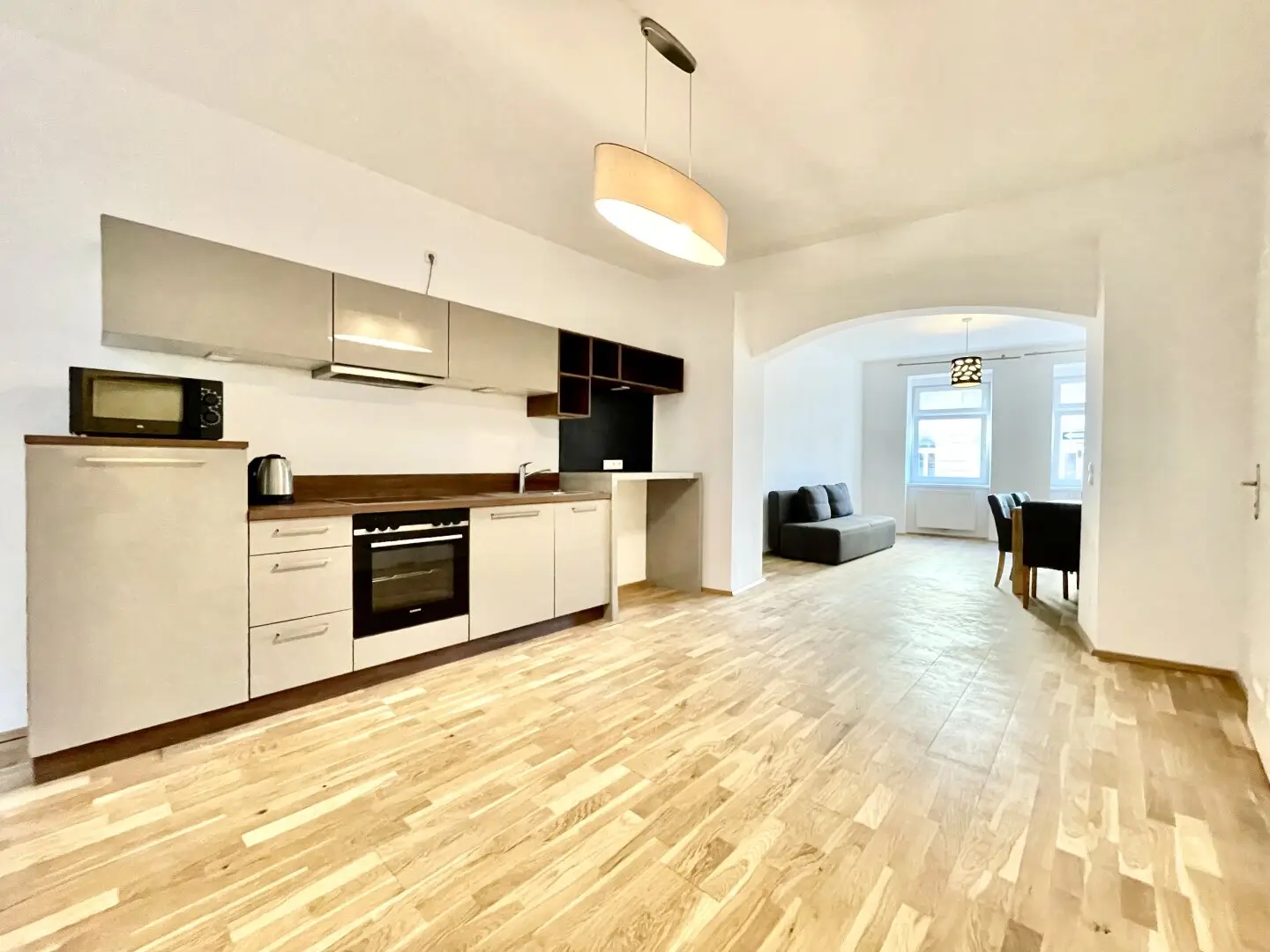
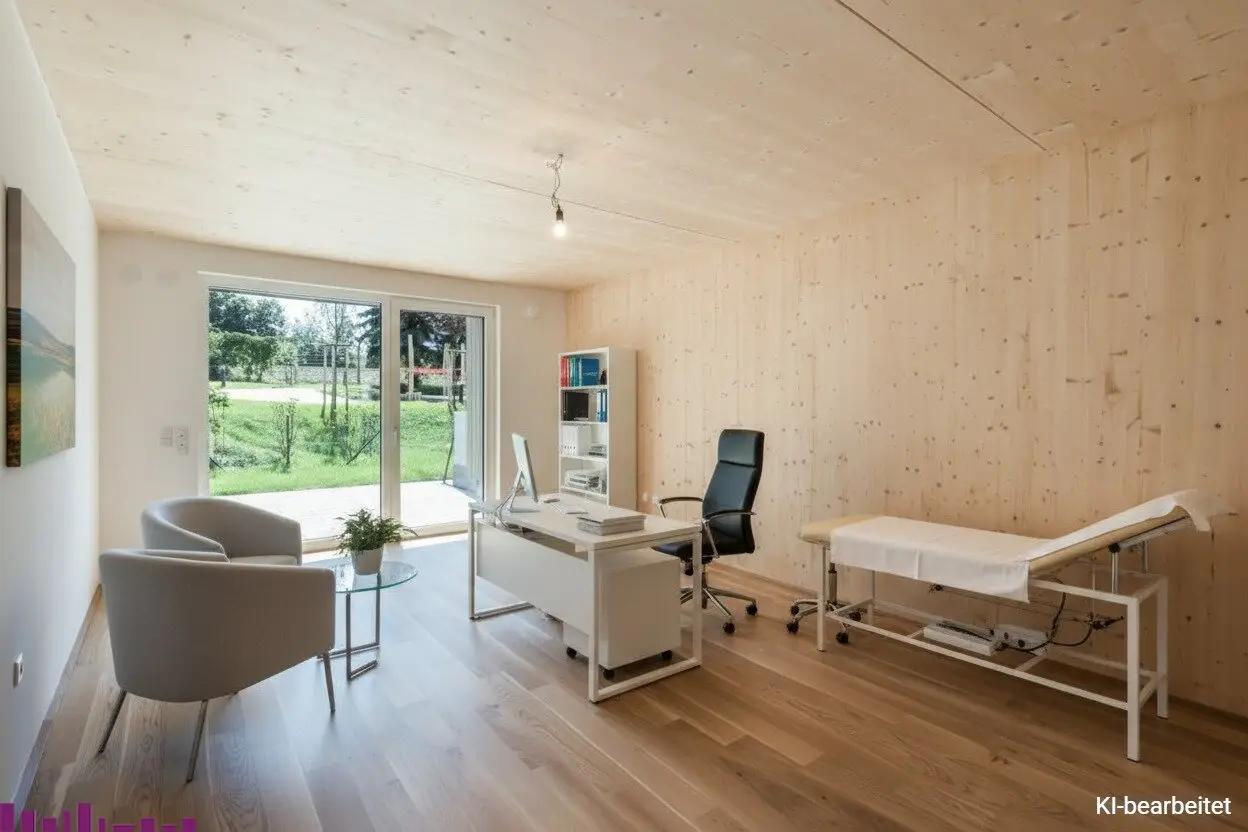
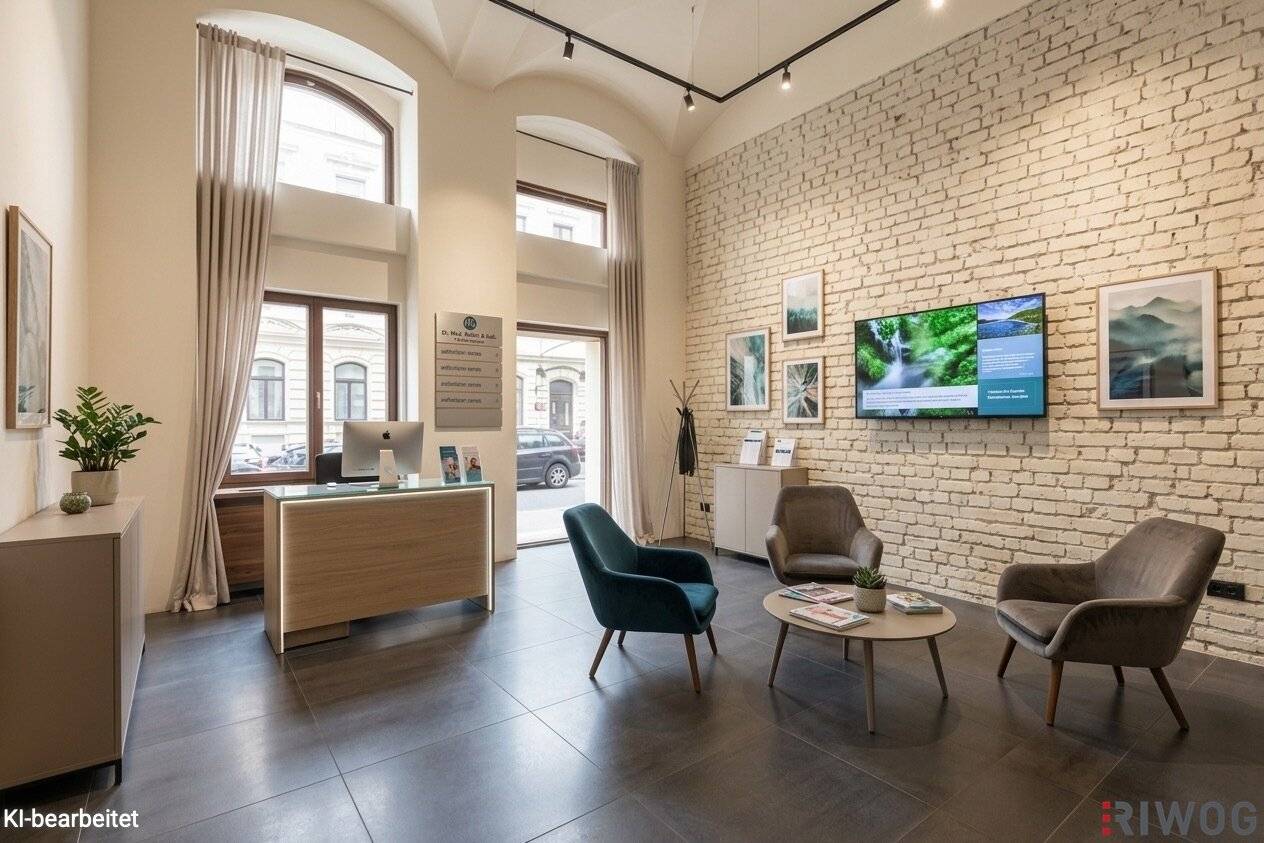
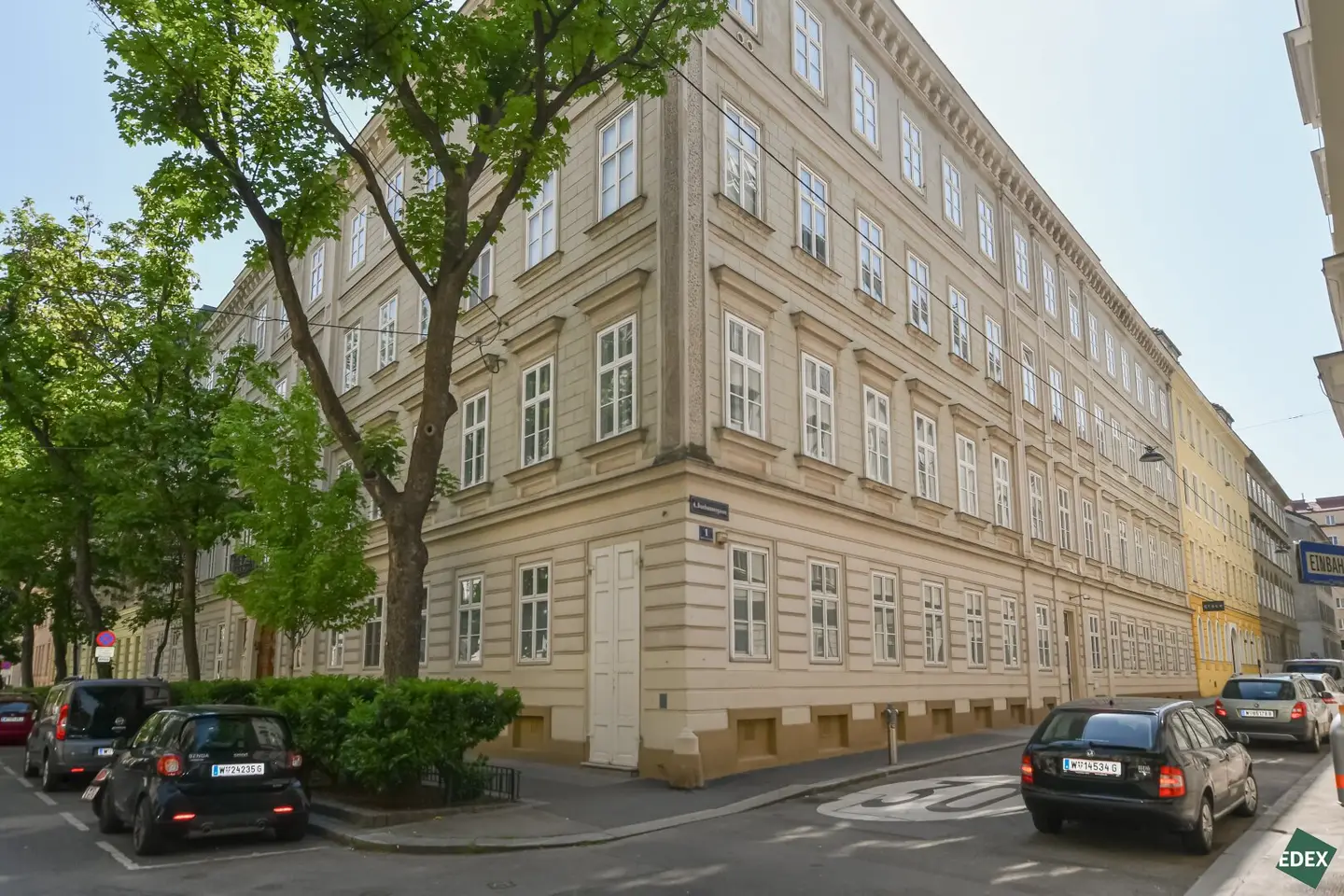
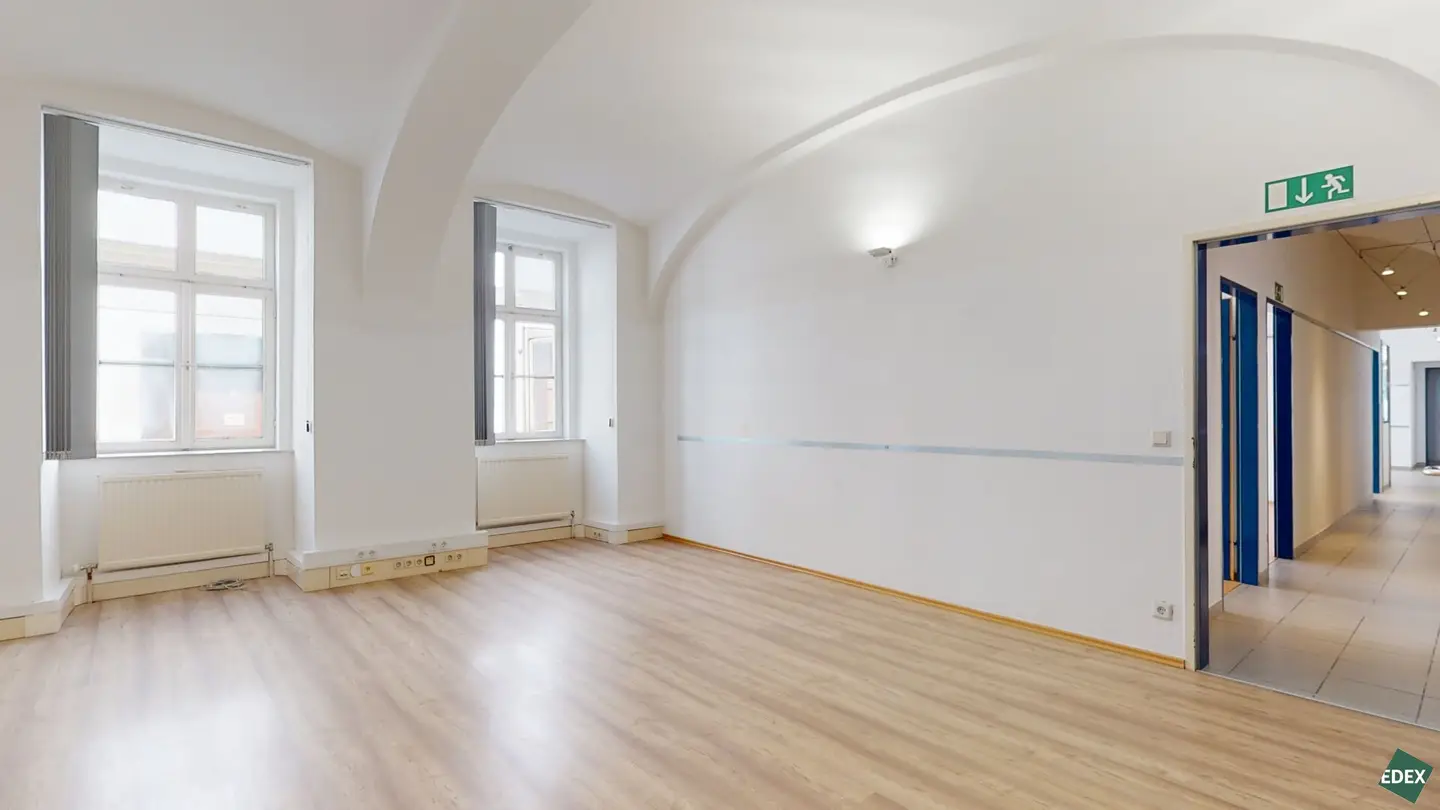
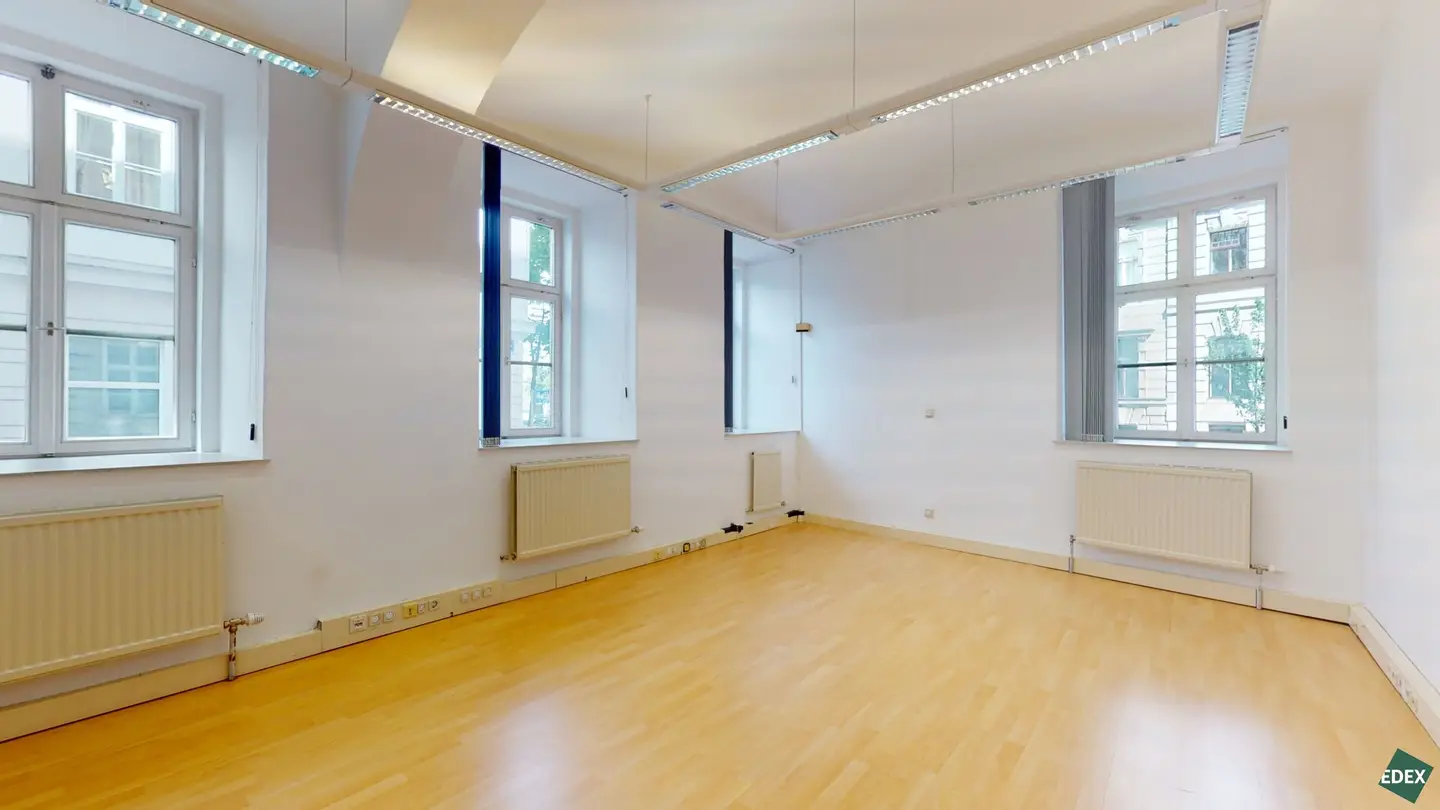
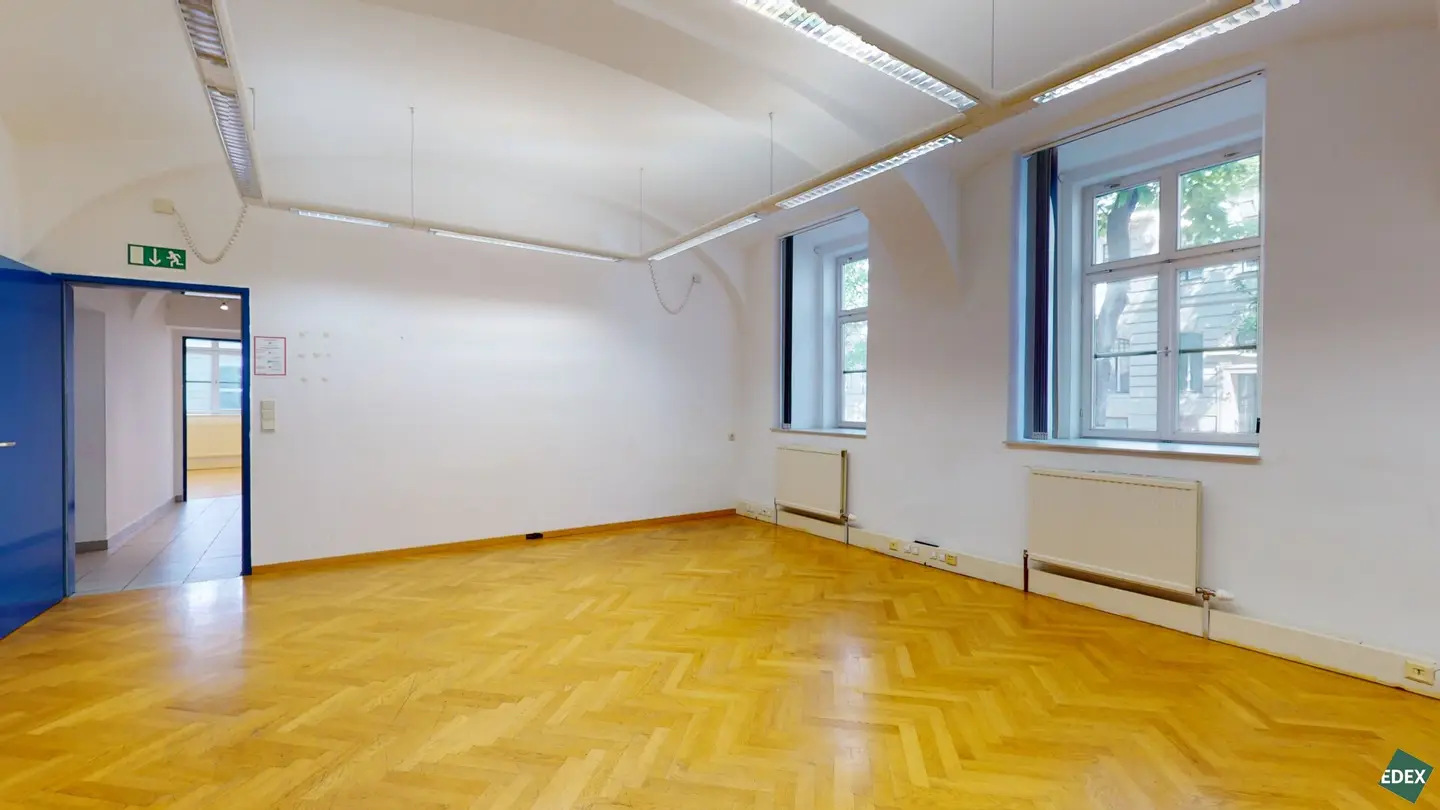
Loft/Studio for sale
182 m²
Latschkagasse, 1090 Wien
Loft/Studio for sale
Latschkagasse, 1090 Wien

Office/Practice for sale
Staudgasse 36, 1180 Wien

Apartment for sale
Hietzinger Hauptstraße 74, 1130 Wien
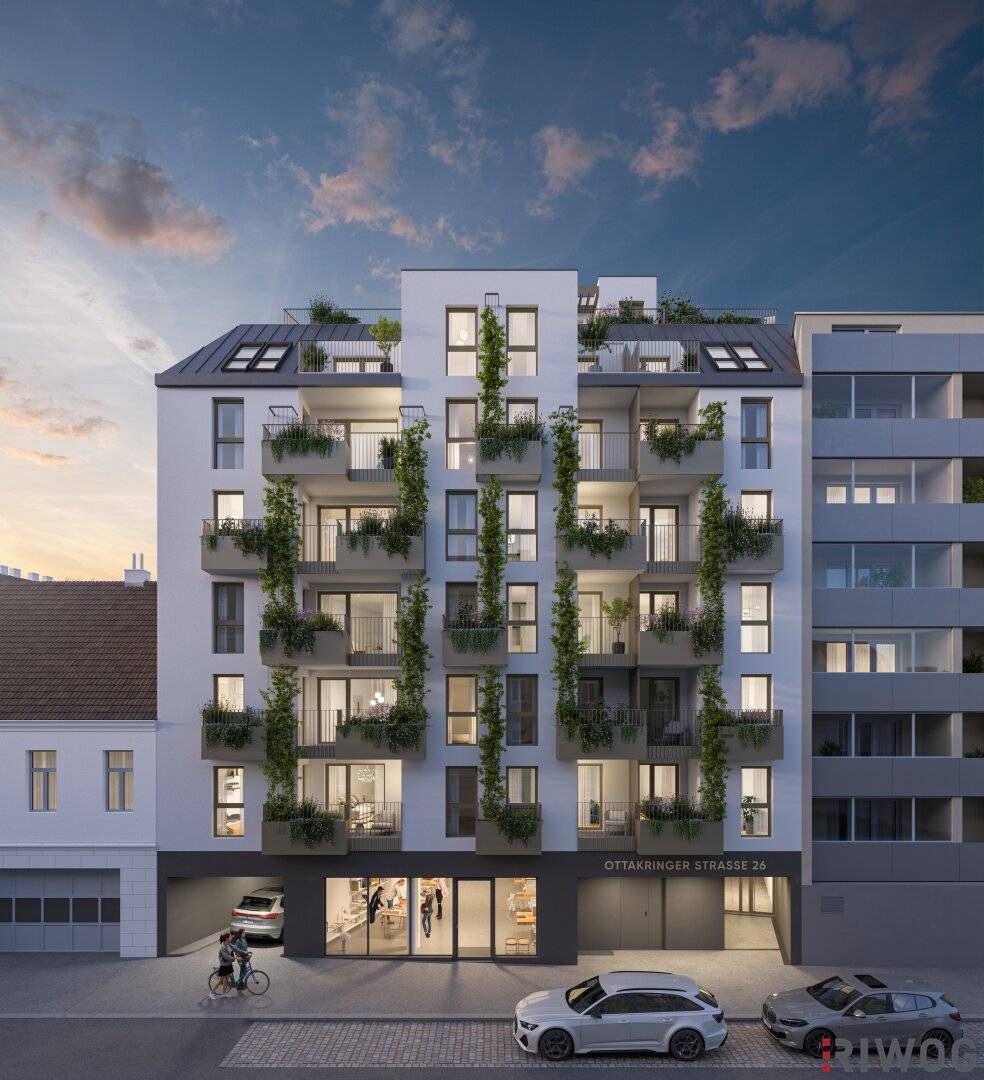
Project Ottakringer Straße 26 in 1170 Vienna
1 Unit

Ottakringer Straße 26, 1170 Wien
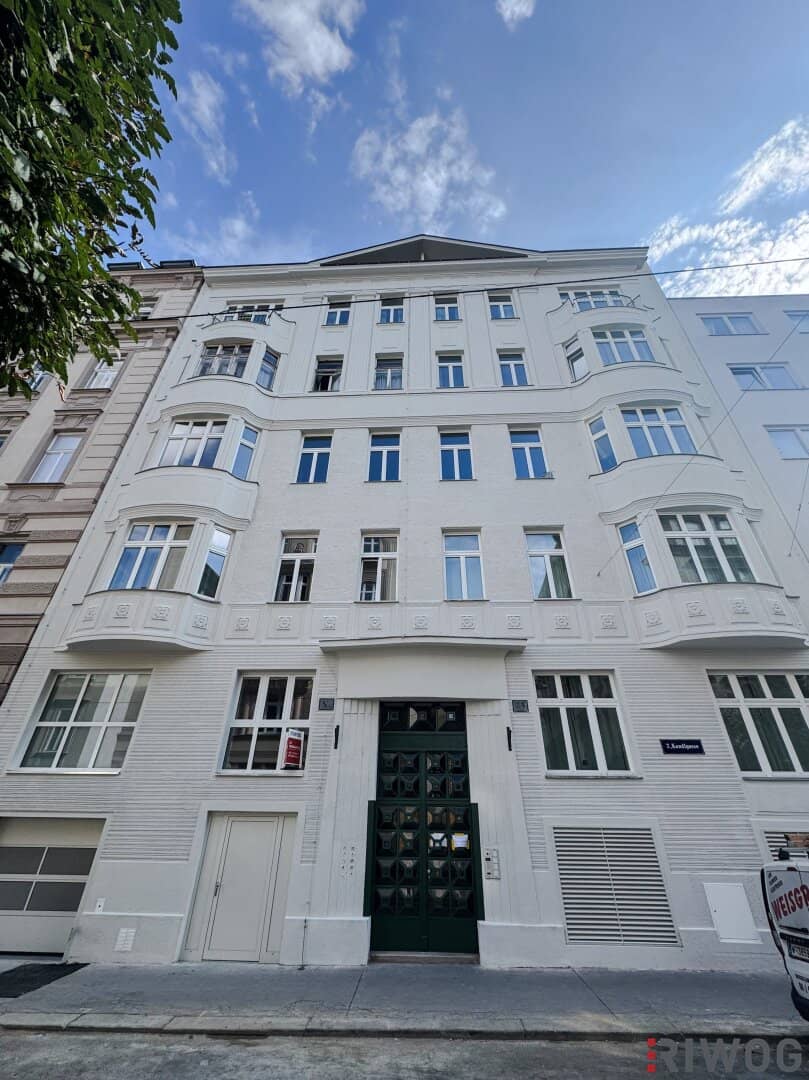
Project Kandlgasse 23 in 1070 Vienna
1 Unit

Kandlgasse 23, 1070 Wien
Project Gallgasse 17 in 1130 Vienna
1 Unit

Gallgasse 17, 1130 Wien

Office/Practice for sale
Wasagasse 26, 1090 Wien

Office/Practice for sale
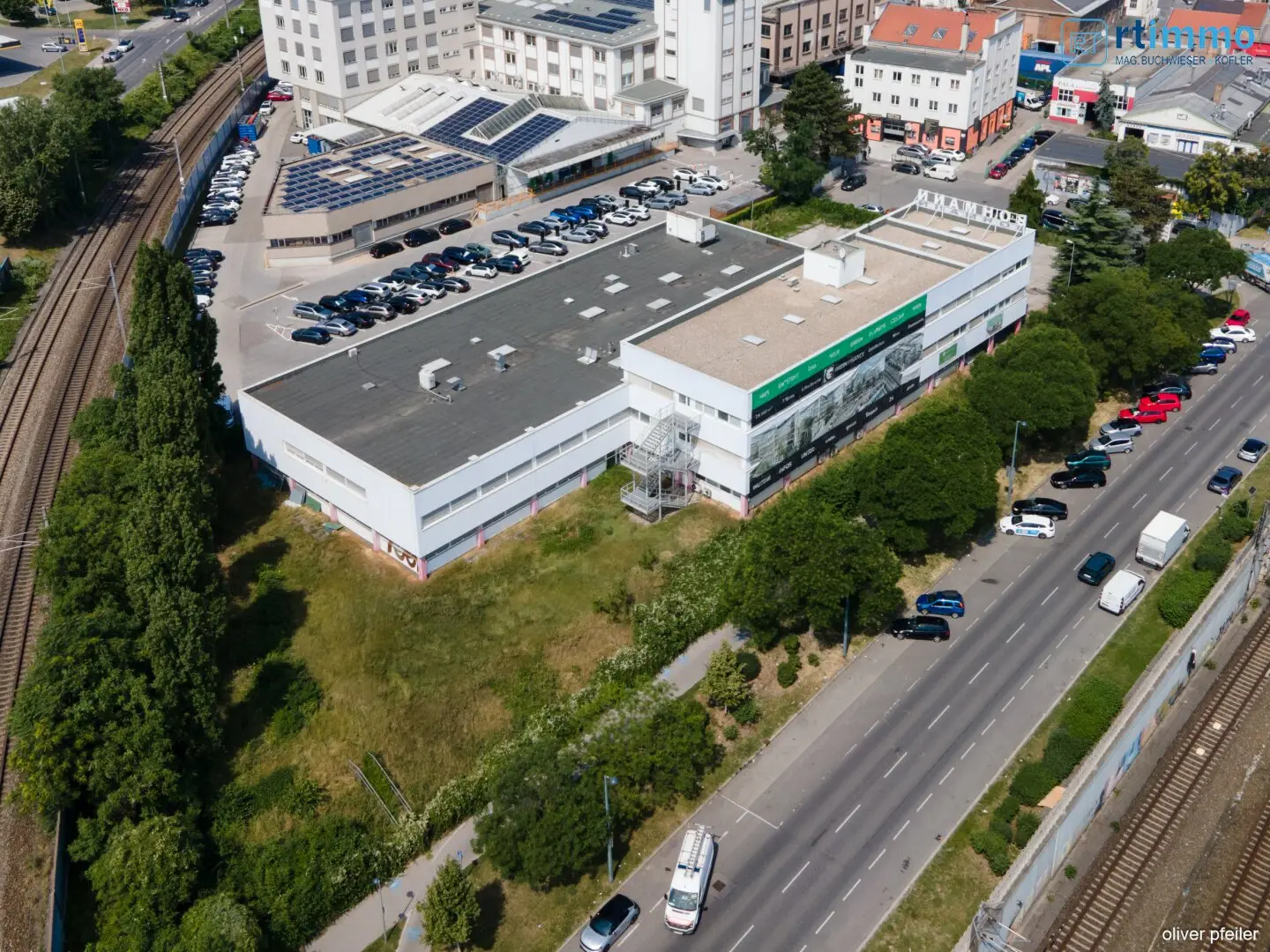
Klederinger Straße 63-65, 1100 Wien
Office/Practice for sale
Staudgasse 36, 1180 Wien

Office/Practice for sale
1110 Wien
Project Klederinger Straße 63-65 in 1100 Vienna
2 Units

Klederinger Straße 63-65, 1100 Wien

Office/Practice for sale
Diehlgasse 42, 1050 Wien

Office/Practice for sale
1170 Wien

Office/Practice for sale
Margaretenstraße 164, 1050 Wien
Office/Practice for sale
Klederinger Straße 63, 1100 Wien
Office/Practice for sale
Klederinger Straße 65, 1100 Wien
Office/Practice for sale
Diehlgasse 42, 1050 Wien

Office/Practice for sale
1040 Wien

Office/Practice for sale
1050 Wien

Office/Practice for sale
Tokiostraße 5, 1220 Wien

Office for sale in Vienna | Lystio
Vienna is Austria’s economic center and offers a diverse range of office properties – from prestigious period buildings to modern new builds in the business hub. Buying an office promises long-term security, independence and attractive location advantages in a city with a high quality of life and stable demand.
Buying an office in Vienna means investing in a commercial property in the heart of Austria. Vienna is the country’s economic center and hosts numerous companies – from startups to international corporations. Those who buy an office (instead of renting) often seek long-term security and independence.
Especially in Vienna, a city with a stable economy and high quality of life, purchasing an office property can be attractive. The relevance of the topic is also reflected in search queries: “Büro buy Wien” is among frequently entered keywords by entrepreneurs, investors and self-employed people who want to establish themselves in the capital.
What matters when you want to buy an office in Vienna? Here are the most important factors from amenities to location and possible uses that you should consider.
The amenities of an office property affect comfort and value. Look for modern technical infrastructure – for example fast internet connection, IT cabling and air conditioning. Practical details such as an elevator (especially for offices on higher floors), step-free access and security systems are also important.
Sanitary facilities (toilet or even a small bathroom) and a kitchenette for employees are part of the basic equipment in many offices. Depending on the property, additional features such as underground parking spaces, storage rooms or a representative entrance area can increase the value of the property.
Location is everything – especially in a city like Vienna. Consider which location is ideal for your business. Central locations (e.g. the 1st district) offer prestige and optimal accessibility, but come with high purchase prices. In outer districts or business parks offices are cheaper, but transport connections and the surroundings should be checked carefully.
Ideally your new office is near public transport (U-Bahn, bus, tram) and easily accessible for both customers and employees.
The local infrastructure also matters:
A good location is characterized by transport links and the local environment. Even a quiet side street can be attractive if connections and parking are good. Also consider whether proximity to clients is important – a consulting firm may prefer a central location, while a creative startup might value a trendy neighborhood.
Vienna combines historic architecture and modern office buildings. Historic offices in Vienna often have high ceilings, stucco and a representative charm. They are frequently located in the city center or in attractive turn-of-the-century neighborhoods.
However, you should pay attention to the condition of older buildings:
Note: Historic buildings can have higher operating costs and may require renovations, but they offer a unique working atmosphere.
New builds, on the other hand, score with efficient layouts, modern fittings and energy efficiency. In new office projects (for example in development areas like Donau City or the main station district) you will often find underground parking, air conditioning, large windows and flexible floor plans.
In addition, accessibility and contemporary security systems are standard in new builds. Decide which property type best suits your needs – sometimes a renovated historic building can offer the advantages of both worlds.
Consider the space you need. How many rooms or offices should the space have? Do you need an open-plan office or several separate offices?
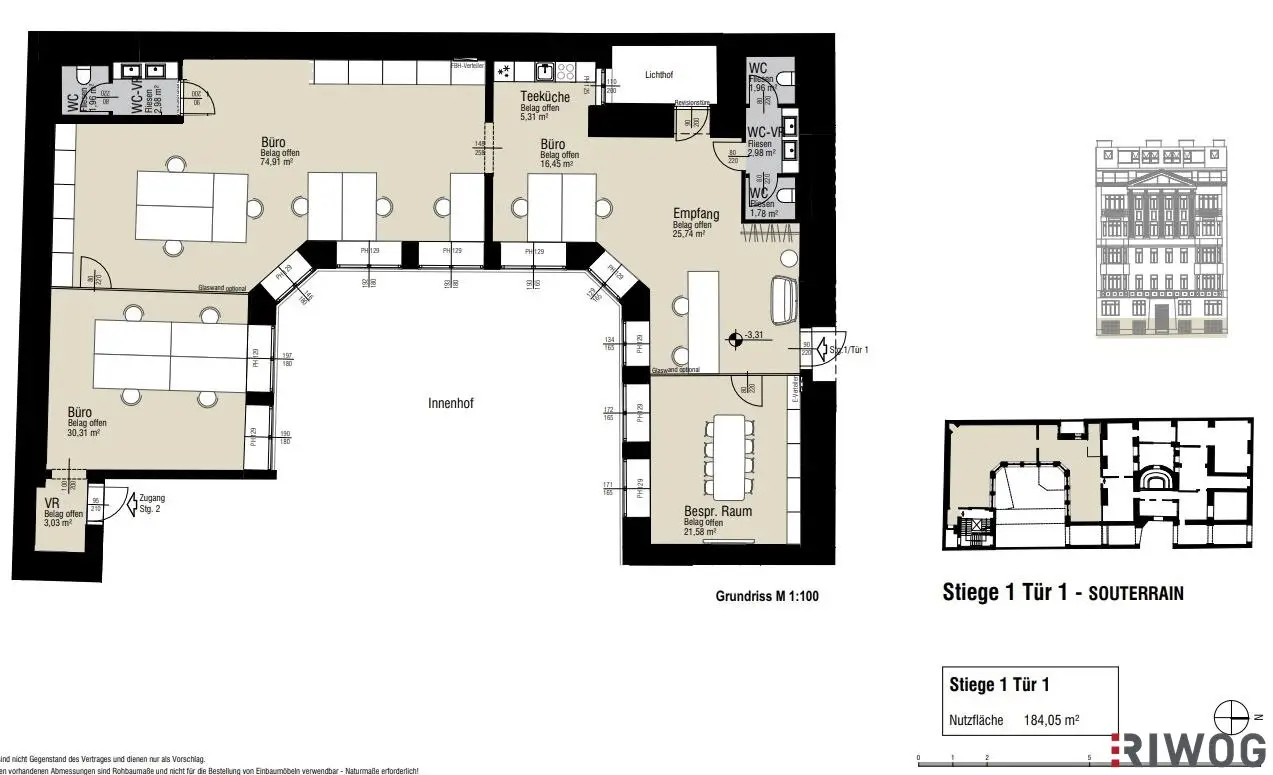
The usable area is stated in square meters – plan a little extra in case your business grows or you need more storage. A well-thought-out floor plan is worth gold: check whether the office area can be easily divided into desired zones (workstations, meeting room, reception, etc.).
Some offices are designed as open-plan spaces, others already have partition walls and separate rooms. Consider whether you might want to carry out alterations – and whether this is structurally feasible. When you own the office you have more freedom than when renting, but you must still comply with building regulations and structural constraints (load-bearing walls, historic-preservation rules for older buildings, etc.).
Note: Total usable area and actual office area can vary, for example if proportional common areas are included – if in doubt, ask for clear figures.
Do you want to use the office exclusively yourself, or would partial letting also be an option? Some buyers split a larger area and rent out part of it – for example to a medical practice or a startup – to cover costs.
Check which uses are permitted in the property: Is the unit designated as office/medical practice, or can it also be used differently (for example as retail on the ground floor, a training room, etc.)?
In mixed-use buildings there are often apartments and offices side by side. If you have special requirements (for example a showroom at the front, storage space or customer traffic), make sure the property and infrastructure are suitable. An office building in a pure commercial zone may be quiet at weekends but offer less foot traffic; a property on a shopping street has high visibility but potentially more noise.
Think long-term: Should your office be able to grow with your business? Expansion options (an adjacent unit available for purchase or the ability to rent an additional floor) are a plus. The clearer you are about your intended use, the more targeted your search for the right office in Vienna will be.
Buying pays off if you plan for the long term, have sufficient capital and seek value appreciation as well as independence. You become an owner, can renovate freely and save on rent in the long run.
Renting requires less equity and offers flexibility in terms of location and size, but can be more expensive over time. Since both rental and purchase prices are high in Vienna, you should carefully review costs and ancillary expenses and weigh flexibility against stability.
When buying a commercial property in Vienna, you should budget roughly 10% in ancillary costs in addition to the purchase price. This includes the real estate transfer tax of 3.5% of the purchase price and the land register entry fee of 1.1%.
For contract drafting and escrow, notary or lawyer fees of about 1–2% are usually incurred, depending on complexity. If a broker is involved, a broker commission of 3% of the purchase price plus 20% VAT is added.
You can start your search in various ways. Online, you can find numerous listings on Lystio, which you can filter by location, size or price. Commercial real estate brokers who specialize in commercial properties can also help and often offer off-market listings.
Project developers and builders also list new office projects with available units. Finally, networks and personal contacts can provide valuable leads on suitable properties.
That depends on the current zoning. If the unit is already registered in the land register as an office/medical practice, you can use it immediately. For properties officially designated as residential, you usually need a change of use or the consent of the owners’ association.
In multi-unit buildings, additional structural requirements often apply, e.g. step-free access. Mixed use is common in Vienna; many offices are located in former apartments.
Tip: Before buying, check with the property management and the municipal authority whether commercial use is permitted – this keeps you on the safe legal side.
A broker is not mandatory, but can significantly ease the purchase process – especially in the commercial real estate sector. A broker knows the market, prices and properties, performs the pre-selection, organizes viewings and conducts price negotiations.
For this service, a commission of 3% of the purchase price plus VAT is typically charged. If you buy without your own broker, a commission may still be due, for example to the seller’s broker. With experience and sufficient time you can also search independently, e.g. via Lystio or through direct contacts – but then you should carefully verify all information and, if necessary, consult an expert.
Customer support and general inquiries. Replies within one business day.
For agents, real estate companies, or technology partners
© 2024-2026 Lystio GmbH, All rights reserved
444 offices for sale in Vienna. Compare districts, property types and states.