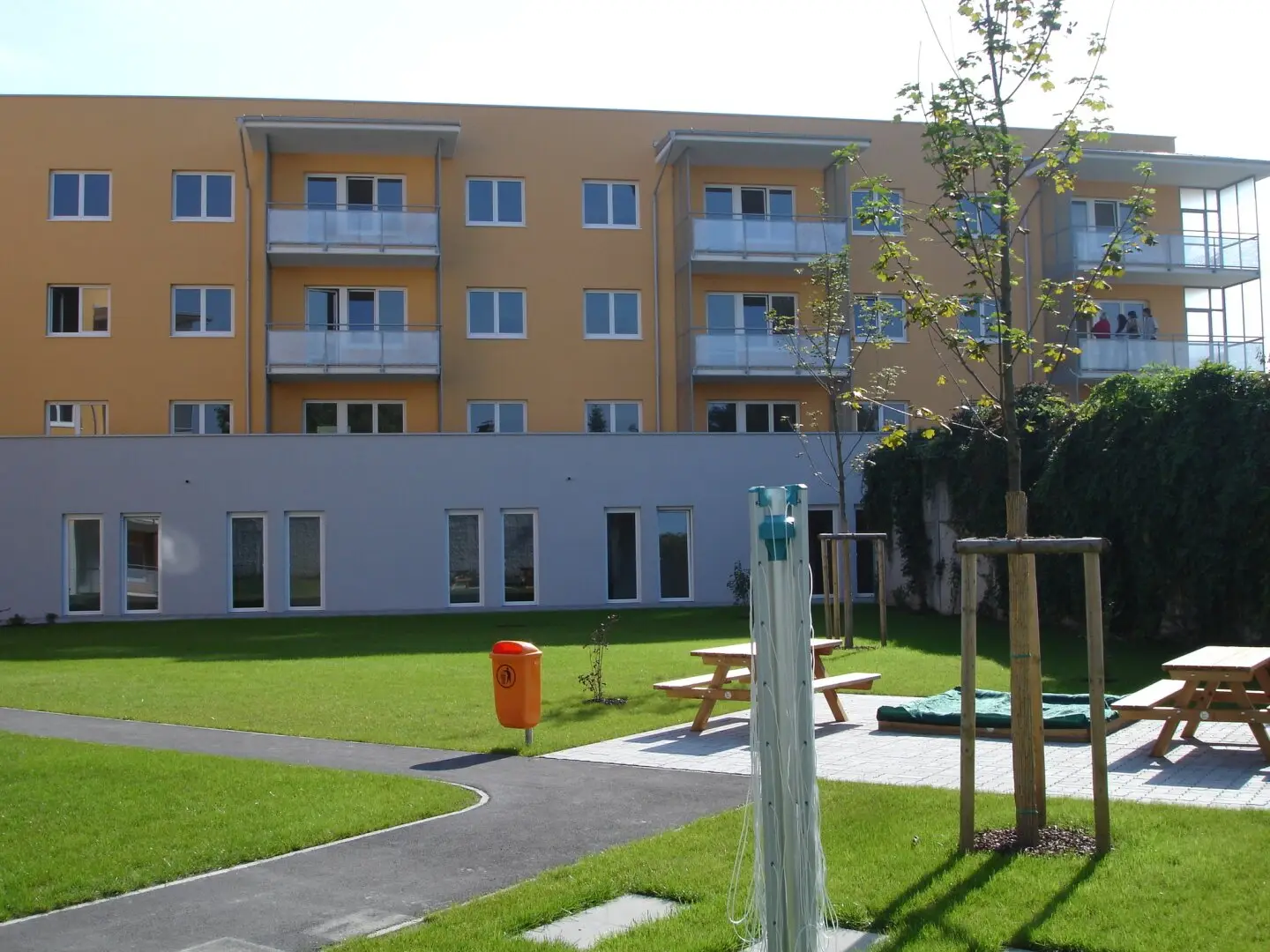
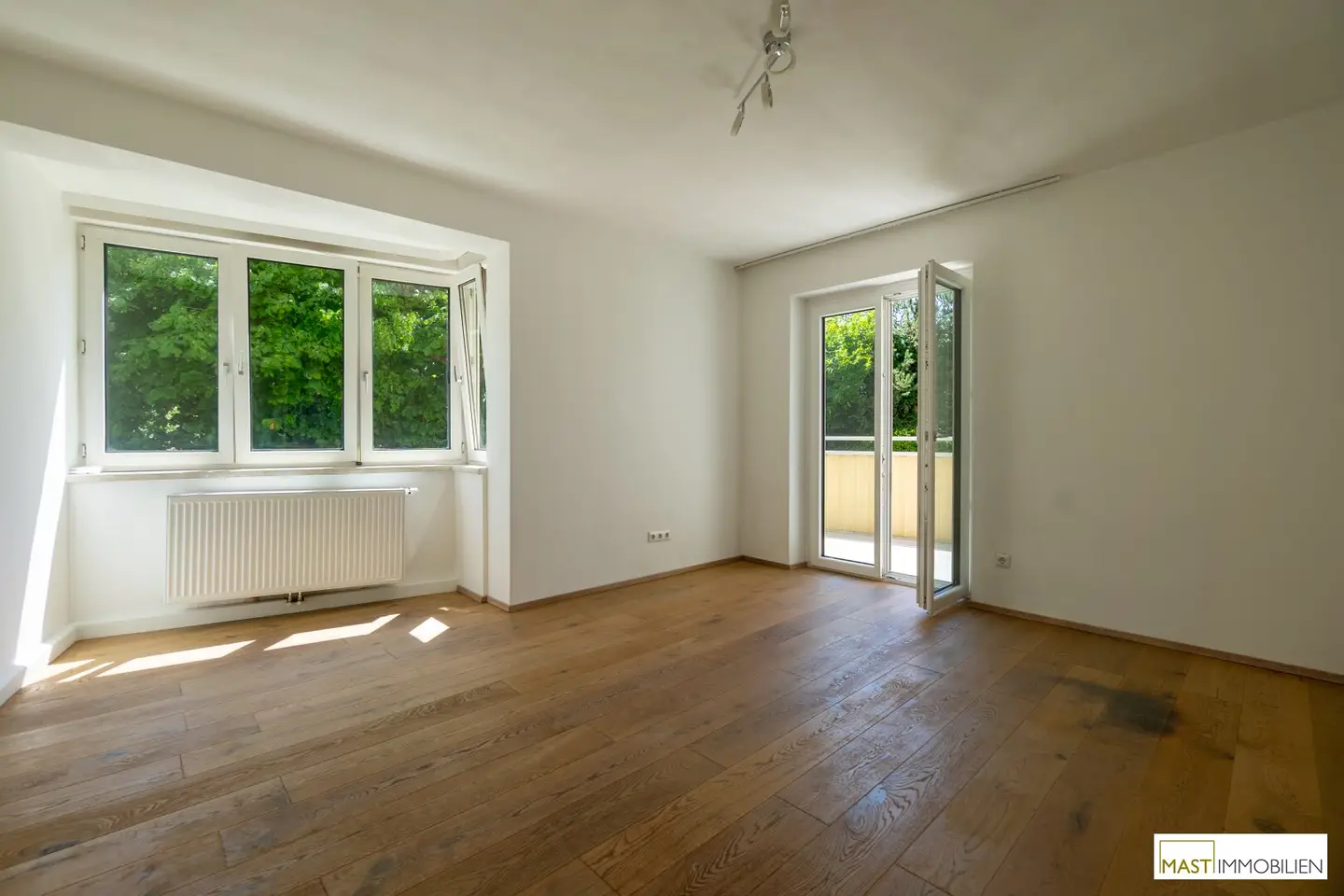
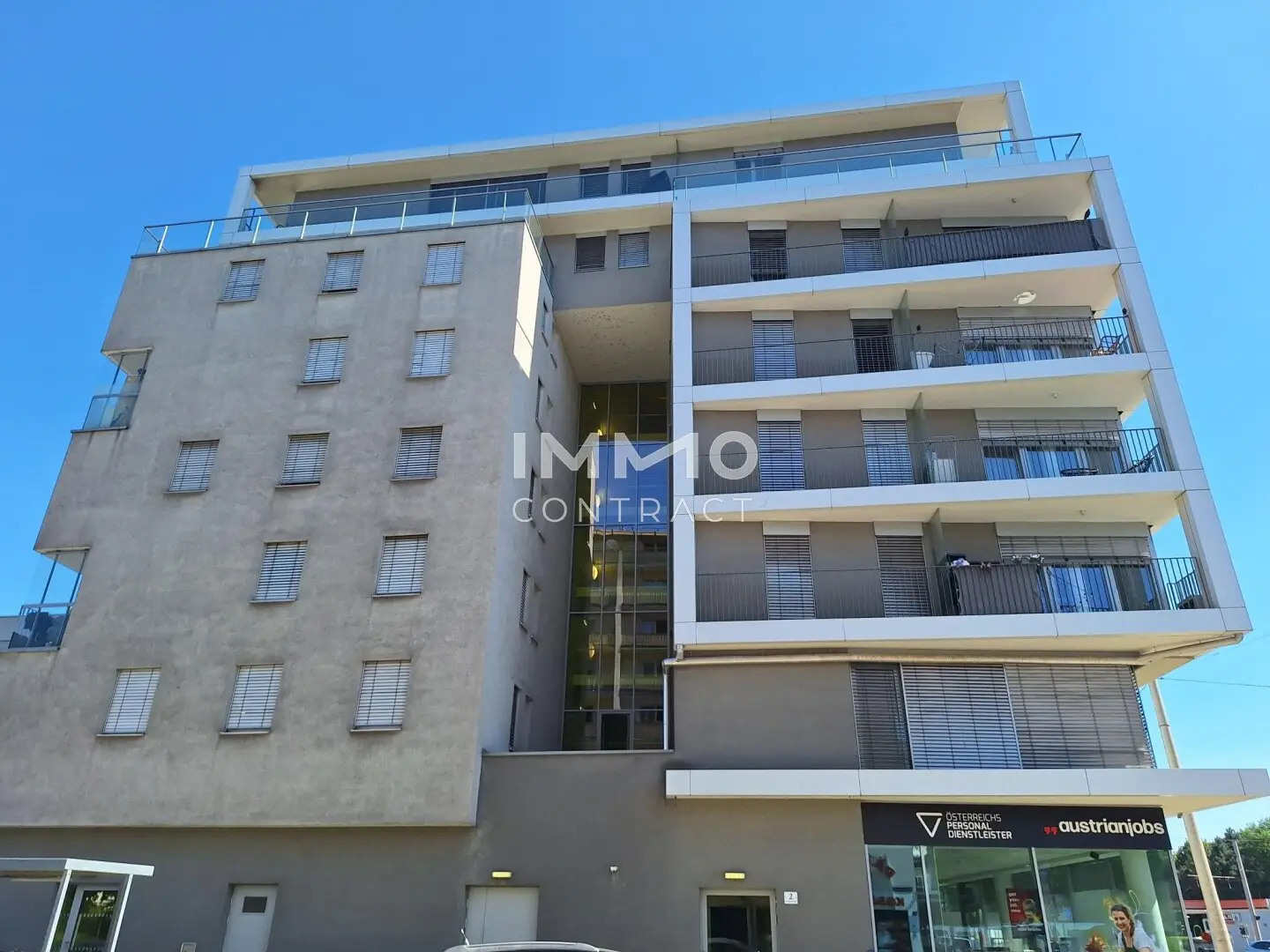
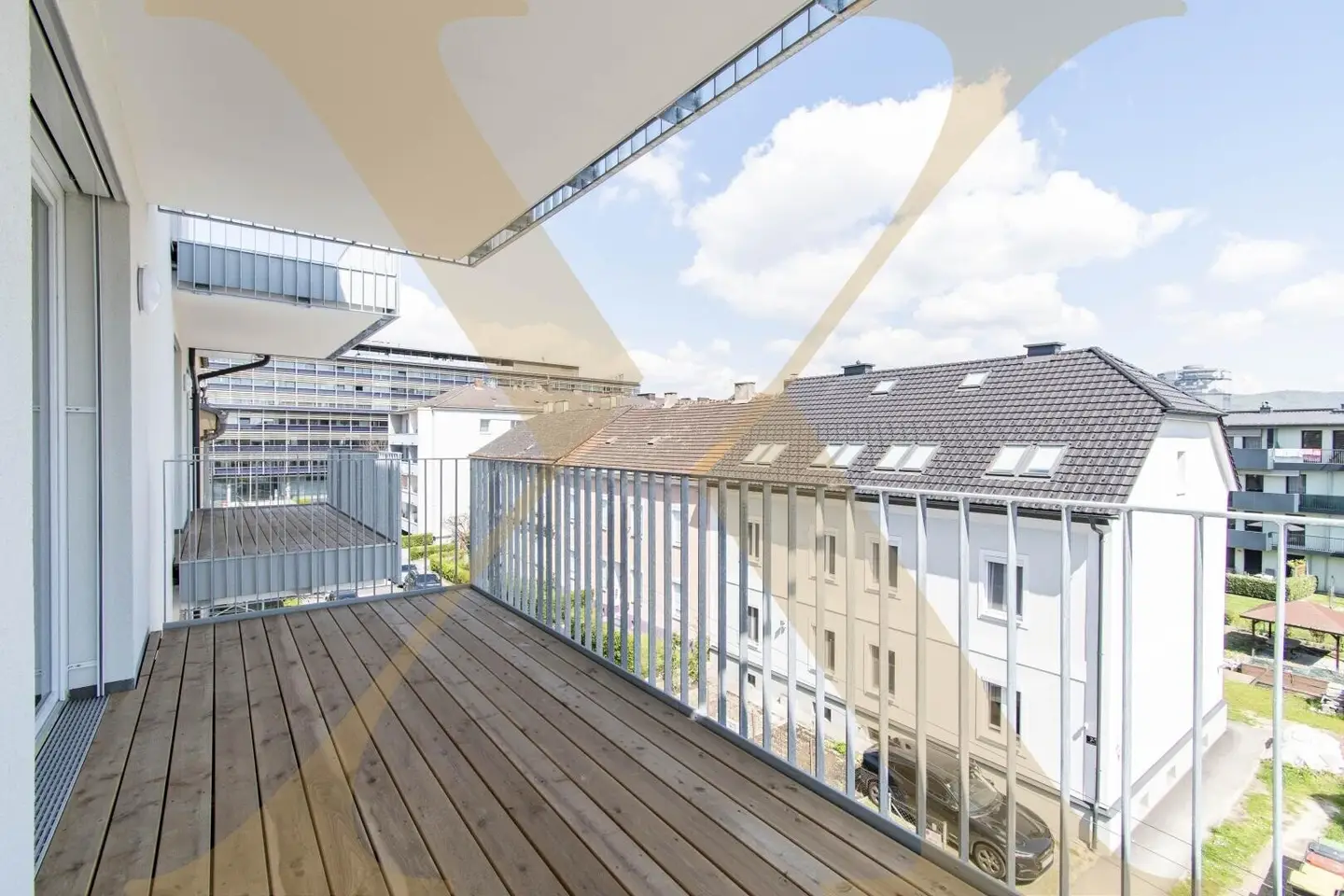
Team Vermietung 1
WAG Wohnungsanlagen Gesellschaft m.b.H.
3 d ago
880€/month
13€/m²
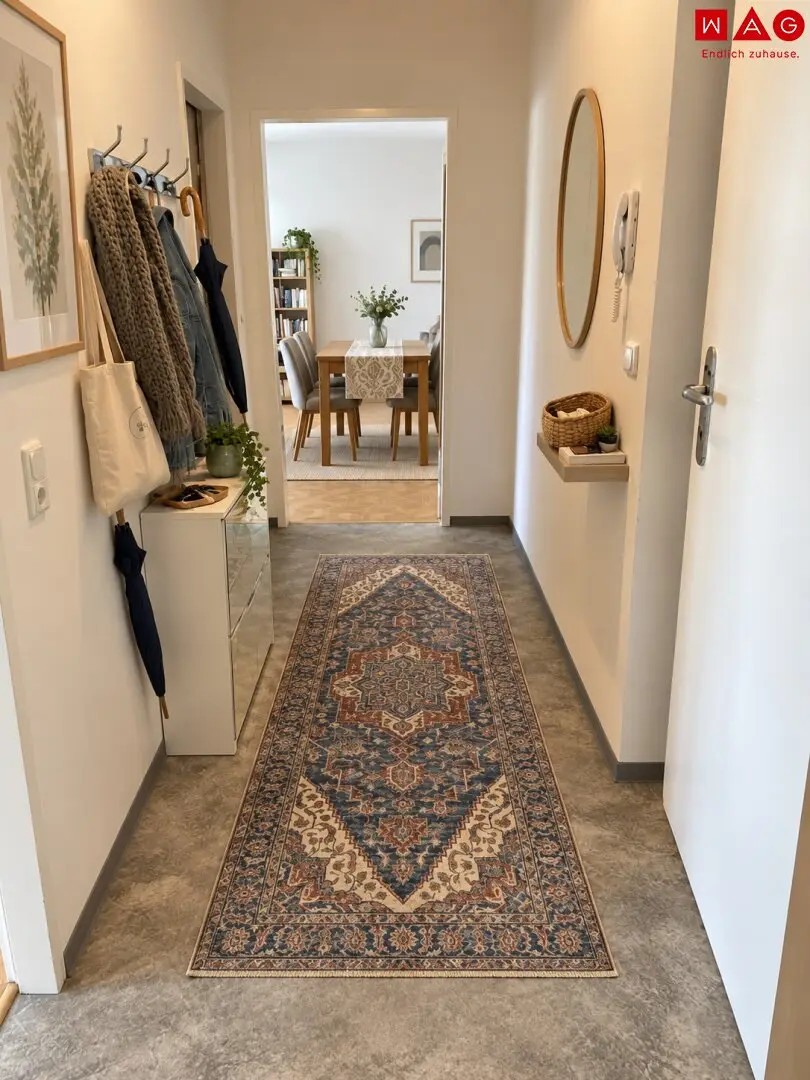
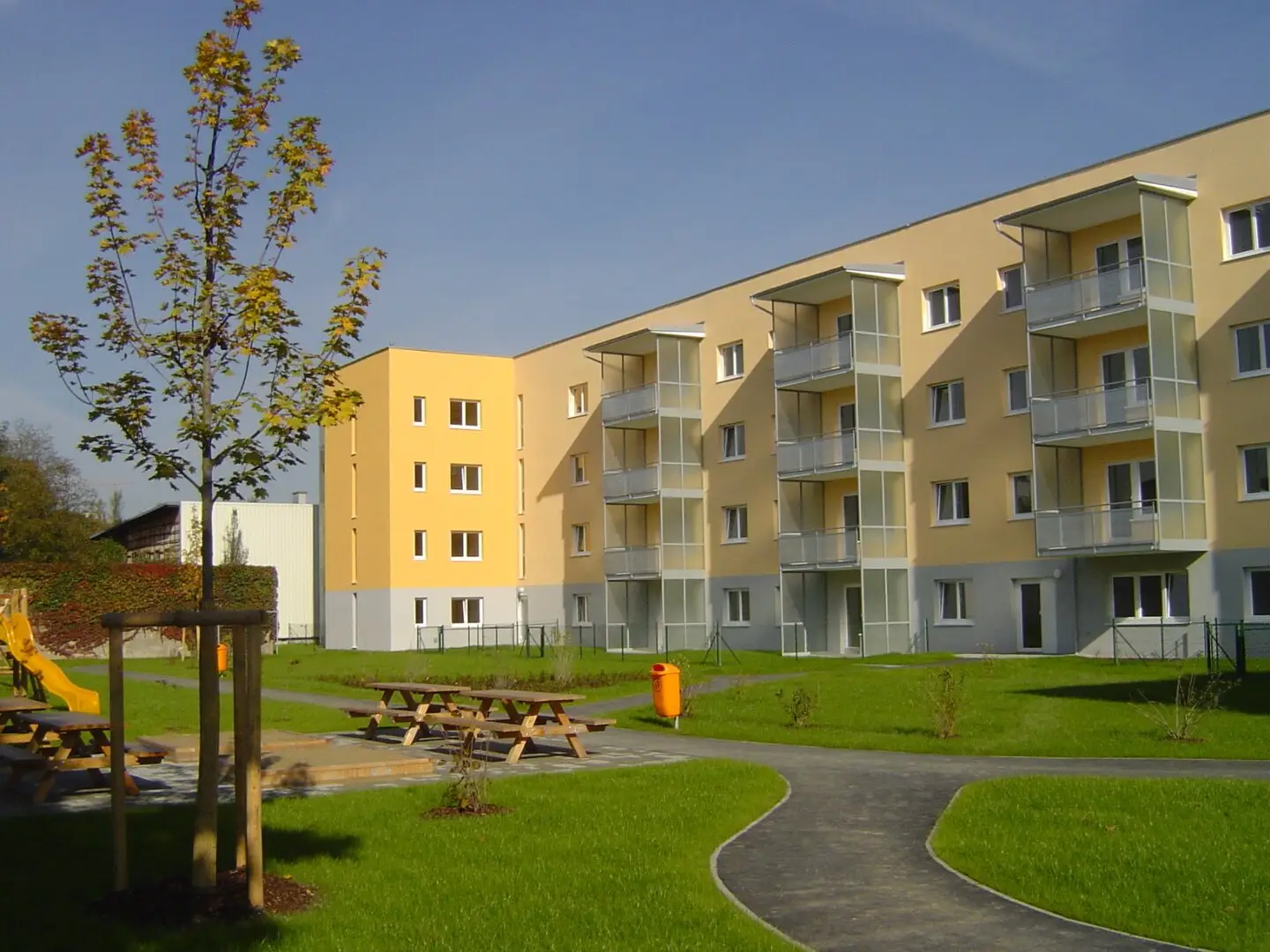
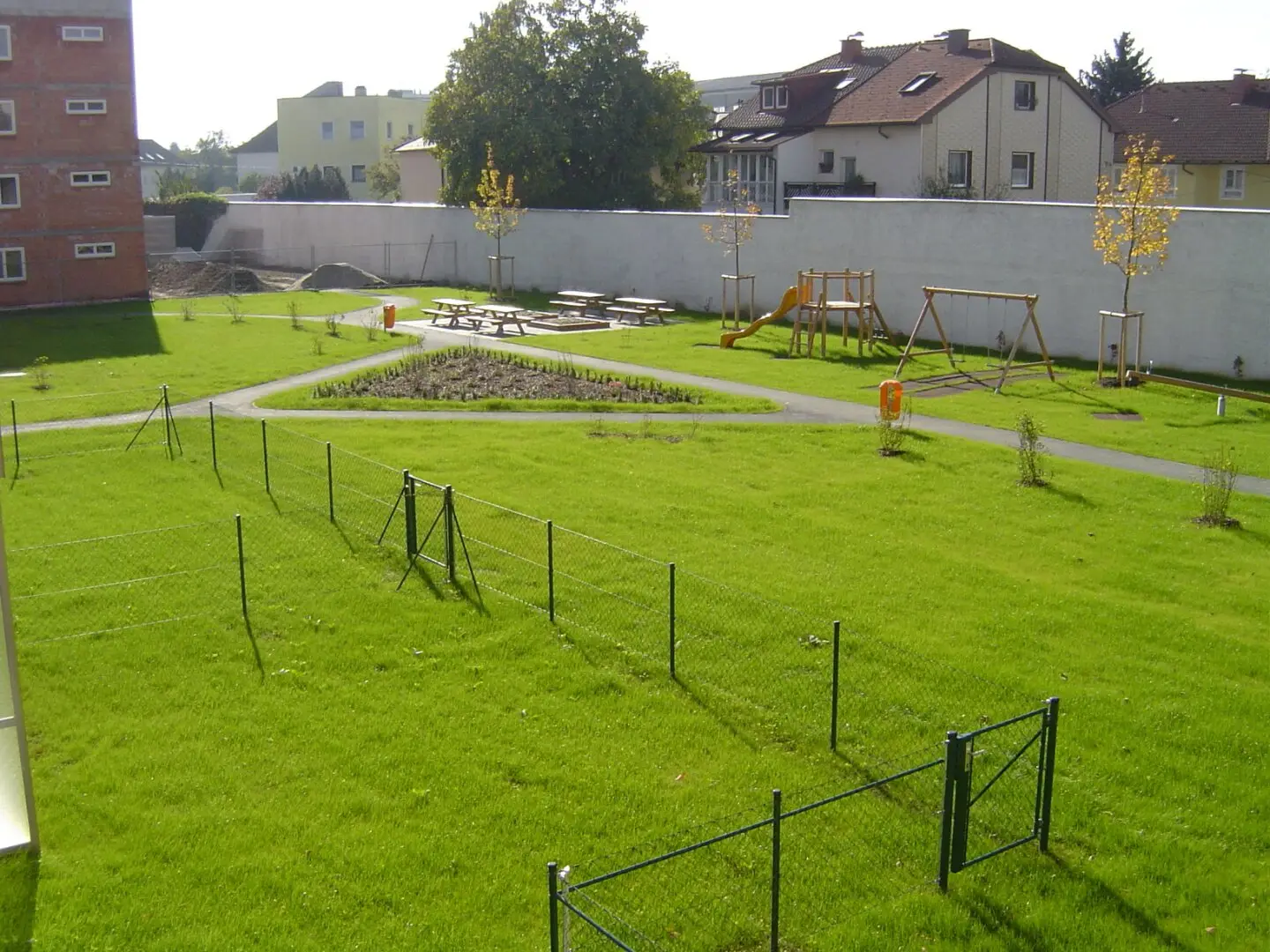
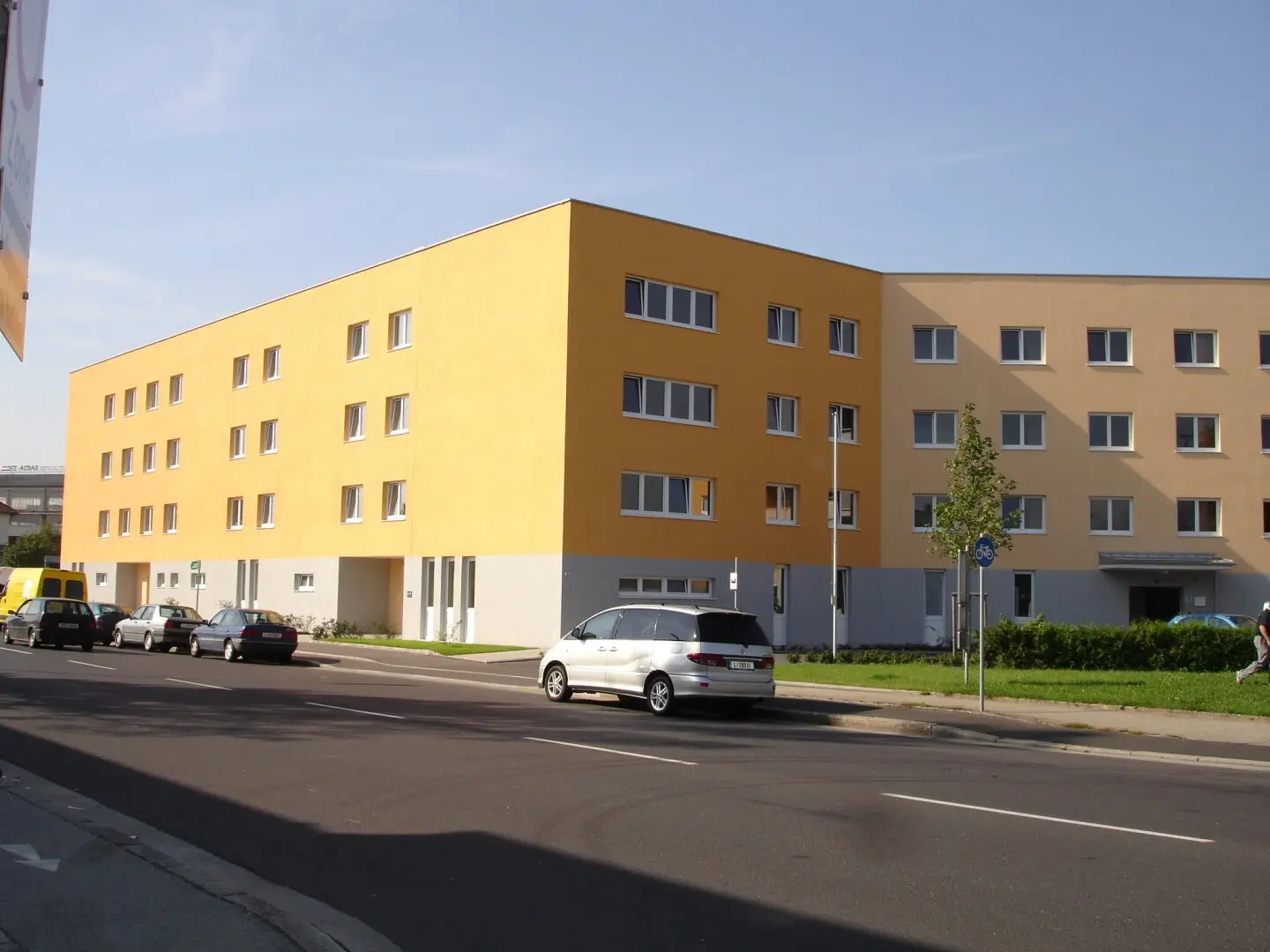
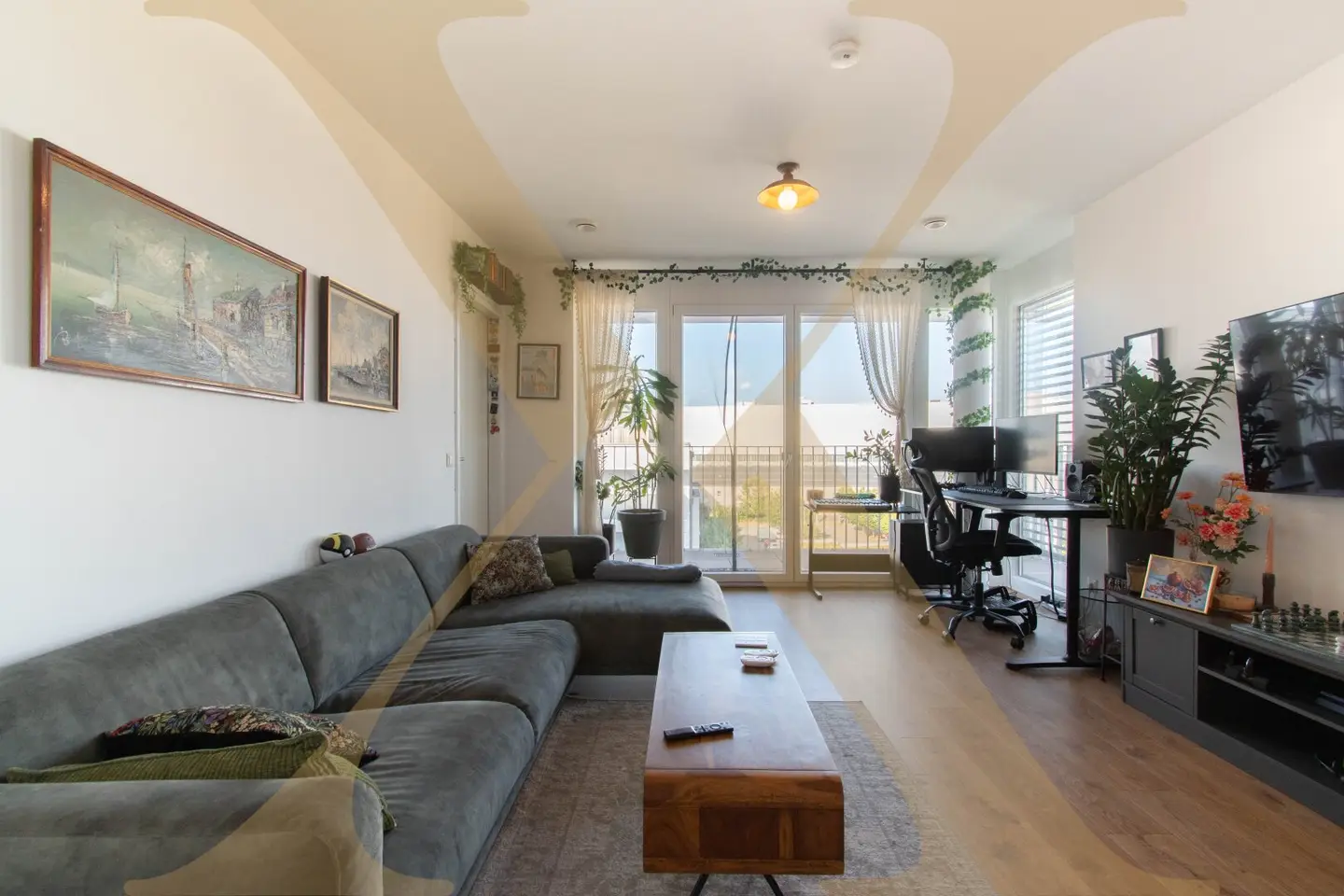
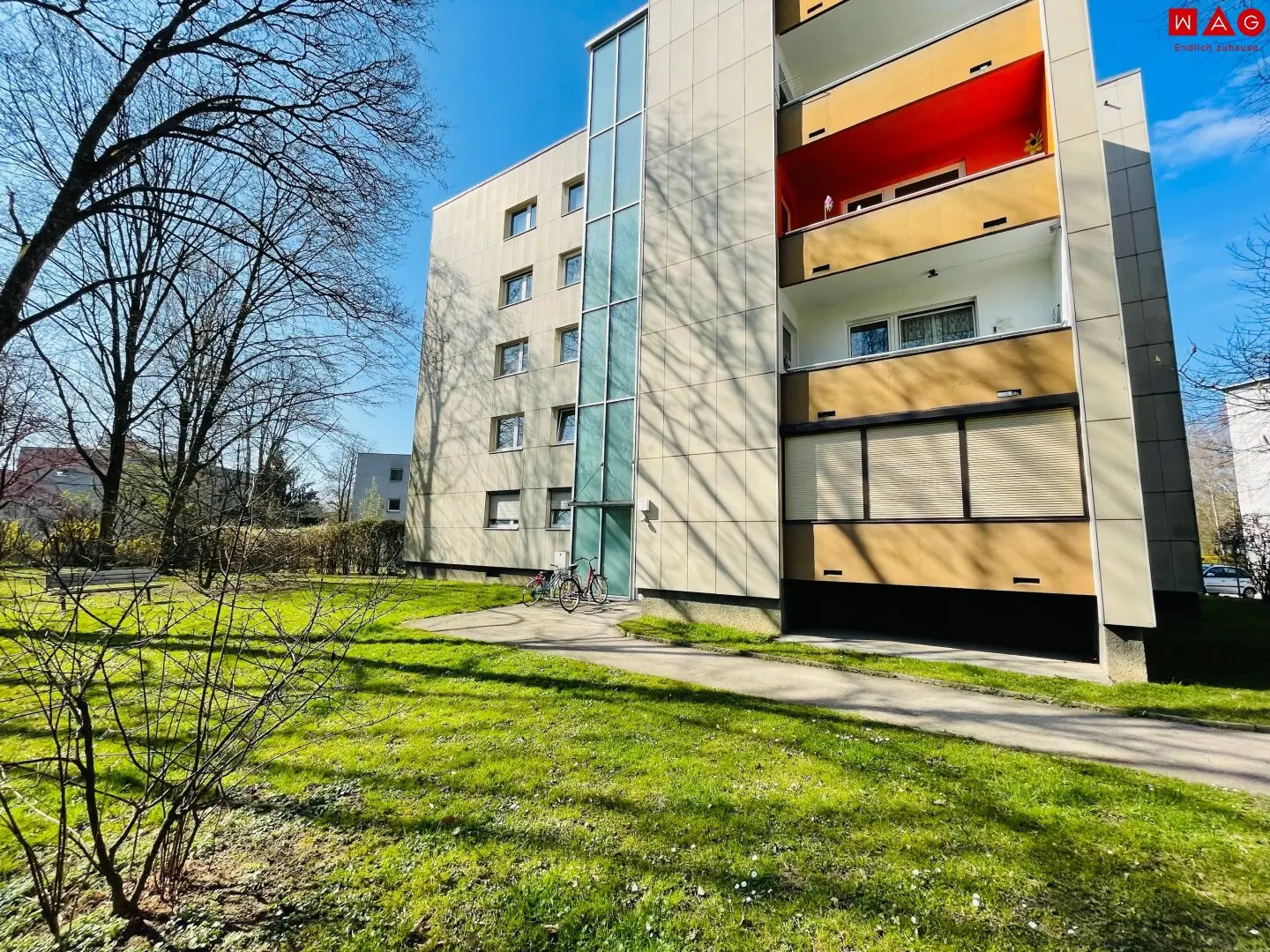
Apartment for rent
68 m²2 Rooms
Kopernikusstraße 30, 4020 Linz
Apartment for rent
Kopernikusstraße 30, 4020 Linz
Cooperative apartment for rent
Kopernikusstraße 22, 4020 Linz
Apartment for rent
Schiffmannstraße 16, 4020 Linz

Cooperative apartment for rent
Salzburger Straße 26, 4020 Linz

Apartment for rent
4020 Linz

Apartment for rent
4020 Linz

Apartment for rent
4020 Linz
Apartment for rent
4020 Linz
Apartment for rent
4020 Linz
Other apartment for rent
4020 Linz

Apartment for rent
Salzburger Straße 29, 4030 Linz
Apartment for rent
4020 Linz
Apartment for rent in Linz | Lystio
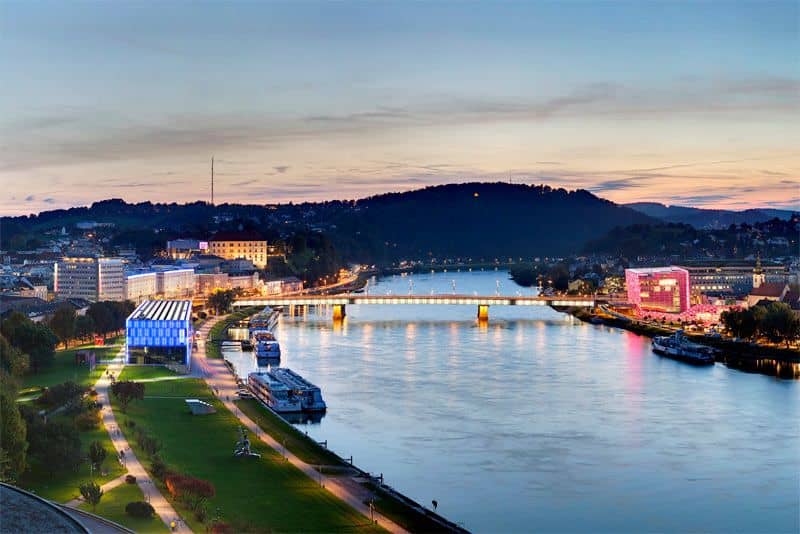
Renting an apartment in Linz is a challenge for many people—whether families, singles, or professionals. The third-largest city in Austria offers a dynamic housing market with a variety of rental apartments: from a compact studio for singles to a spacious family apartment. Those looking to rent an apartment will find in Linz both modern new-build projects with high living comfort and charming period apartments.
Linz is growing—the population has steadily increased in recent years (around 213,000 residents live in Linz)—and with that the demand for rental apartments is also rising.
The supply on the housing market is varied: Apartments are offered in different price ranges by private landlords, cooperatives and the city.
In recent years rental prices have increased significantly (in 2024 alone about +10% compared to the previous year). Currently one pays in Linz on average about €13–14 per square meter of living space.
This makes living cheaper than in Vienna or Salzburg, but Linz is catching up price-wise. On real estate portals like Lystio you can find new apartment listings in Linz every day—a thorough property search is worthwhile to find the right home.
Rental apartments in Linz exist in all kinds of property types and sizes. The classic flat on a floor in a multi-unit residential building is the most common—this can be a period apartment with high ceilings or a modern apartment in a new complex.
In addition, you will find special apartment types such as ground-floor apartments (often with a private garden or terrace), attic apartments with a view or maisonettes over two floors. Depending on the building there are differences: older houses often have traditional floor plans, while new-build projects offer open layouts and more comfort.
Regarding apartment sizes, 2-room apartments are particularly popular in Linz—ideal for singles or couples, usually around 50–60 m² of living space. Smaller 1-room studios ("Garçonnières") of about 30–40 m² are found mainly for students or commuters, while 3-room apartments (approx. 70–90 m²) and larger units are interesting for families.
Besides square meters, the room layout is also important:
This is how apartments in Linz are typically laid out:
Modern rental apartments in Linz score with varied equipment that provides high living comfort. Many new-build apartments in Linz feature underfloor heating, which provides even warmth. In existing apartments a central heating system (district heating) is often installed—in both cases heating costs and hot water are partly already included in the operating costs.
Almost all larger residential buildings above the 3rd floor have an elevator (lift), which is particularly important for families with strollers or older residents. New housing developments also pay attention to accessibility, i.e. step-free access and sufficiently wide doors.
Sought-after features also include outdoor spaces at the property: a balcony or a protected loggia extend the living space outdoors. Ground-floor apartments often instead have access to a small garden or private garden.
Listings indicate whether an apartment has a balcony, loggia, terrace or garden—such extras increase quality of life. Additionally, many properties offer practical communal rooms, such as bicycle storage in the cellar and drying rooms for laundry.
Comfort for car owners is also considered: underground garages with reserved parking spaces are standard in many new builds, sometimes even with stack parking systems to accommodate more cars. A dedicated parking space (whether in an underground garage or above ground) is a major advantage, especially in densely populated neighborhoods.
Most rental apartments are usually rented out with a fitted kitchen, so no separate kitchen installation is necessary. Finally, connected connections (for internet, TV, etc.) are self-evident in modern apartments—perfect if you occasionally want to work from home.
The quality of living in Linz strongly depends on the location—rental prices, surroundings and connectivity differ significantly by district. Whether central city life, a quiet family neighborhood or living close to nature on the city outskirts: in Linz everyone can find the right residential area. At the same time the city scores with well-developed infrastructure and an efficient public transport system.
Linz is divided into various districts, each with its own character. In the city center you live very centrally—however, rents there are highest and green spaces are rare.
In addition, the following Linz districts are popular:
Transport and infrastructure in Linz are well developed. Public transport includes trams and buses that regularly connect all districts—ideal for getting around without a car. Linz is also well connected to the surrounding area via motorways (A7, A1) and federal roads, which makes commuting easier. Linz also has a dense network of cycle paths along the Danube.
In most residential areas there are shopping facilities for daily needs (supermarkets, pharmacies) as well as schools, doctors and leisure facilities within reach. Parks and recreational areas (e.g. the Danube bank, Bauernberg Park or Lake Pichling) offer opportunities for sports and relaxation right on your doorstep.
Rent and additional costs usually consist of the base rent (basic rent) and the operating costs. Additionally, depending on the heating system, monthly heating and hot water costs can be incurred (e.g. with central district heating).
Listings often state a total rent (“total burden”), which includes operating costs and possibly heating costs—expenses for electricity or internet are not included.
When signing a rental contract the following one-time costs may apply:
Tip: In general, you should carefully check the rental contract to see which costs are included in the rent (such as operating costs or a heating flat rate) and which must be paid extra.
Rents in Linz depend heavily on location and apartment size. On average rent is around €13 to €14 per square meter. A 50 m² apartment therefore costs roughly €650 to €750 per month (including operating costs, but excluding electricity).
A 2-room apartment in Linz with about 50–60 m² of living space currently costs on average about €13–14 per square meter, so roughly €650–840 per month. Current listings on portals like Lystio show that well-equipped apartments with a fitted kitchen and balcony tend to be at the higher end of the price range.
Apartment searching is done mostly online today. Real estate portals like Lystio list numerous apartment offers in Linz. There you can set filters for size, price, district, etc., to find suitable rental apartments. It is also worth checking the websites of the major Linz housing companies (WAG, GWG, EBS), which have their own housing exchanges.
Subsidized rental apartments in Linz are mainly offered by non-profit developers (e.g. WAG or GWG) as well as via the city housing office (with the EBS housing registration system).
To get such an apartment, certain prerequisites must be met. Applicants must officially register with the city or the cooperatives and often wait some time. Allocation is made according to set criteria such as urgency. The advantage of subsidized apartments is significantly lower rents and often good housing quality; the downside can be waiting times until an allocation is made.
Customer support and general inquiries. Replies within one business day.
For agents, real estate companies, or technology partners
© 2024-2026 Lystio GmbH, All rights reserved
13 apartments for rent in Spallerhof. Compare districts, property types and states.